At the recent Paris Motor Show Carlos Ghosn, Chairman and CEO of Groupe Renault, announced that:
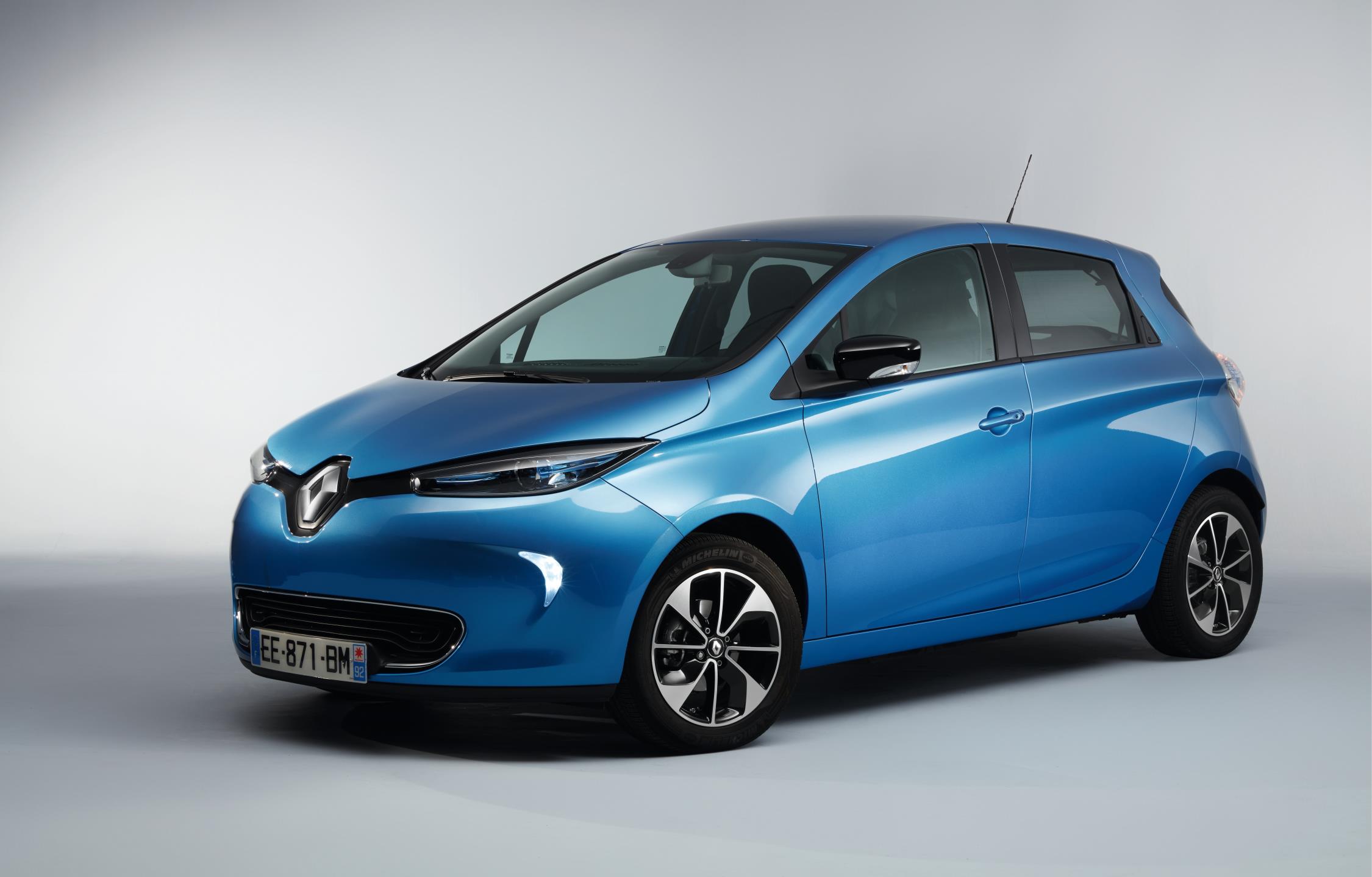
This month Renault surpassed 100,000 electric vehicles sold and now ZOE will travel up to 250 miles (400km) without recharging.
Over the past twelve months both Nissan and BMW have made similar announcements, but neither claimed as many miles as Renault. Eric Feunteun, Vice President of Renault’s electric vehicle programme, added that:
Renault has added a new dimension to the world of electric vehicles now that the ZOE’s range stands at 250 miles (400km) NEDC. It’s a breakthrough in all-electric motoring that will provide the range needed to make any motorist comfortable choosing electric.
In real-world driving, Renault estimates the new Z.E. 40 battery has a range of 186 miles (300km) in urban or suburban areas.
The range offered today by the new ZOE is the longest of any mainstream all-electric vehicle and motorists can take advantage of this step forward now. The ZOE is the best-selling electric vehicle in Europe and provides a real alternative to internal combustion- engine cars, since average daily commuting distances are well within the ZOE’s capabilities.
The new battery removes the final psychological barrier that stands in the way of buying an electric car, so-call ‘range anxiety’, since ZOE users can now travel further and enjoy a wider variety of driving situations without worry about charging.
Not exactly a range of 250 miles in “real life” driving then! We would of course like to test the range of the new ZOE for ourselves, but at the moment our local Renault dealer could only promise that they will be taking orders in November for delivery in January 2017. When a demonstrator might become available is, unfortunately, still unknown. Whilst we all wait for a test drive, here’s a video!
In a press release earlier this week Nissan expanded on some of the points Carlos Ghosn made in his speech to Nissan shareholders last month. “In his latest LinkedIn Influencer post, Renault-Nissan Alliance CEO Carlos Ghosn points to encouraging figures for electric vehicles, including the sale of the Alliance’s 250,000th EV in early June”
I don’t see other automakers as competitors when it comes to zero-emissions vehicles. They’re allies. And it is great to see the number of “Alliance allies” growing, as other automakers introduce more affordable EVs to compete with the segment-leading Nissan LEAF.
We reached the 250,000-unit milestone in early June, four-and-a-half years after the LEAF was introduced as the world’s first mass-market, zero-emission vehicle.
We also are seeing demand grow quickly in places where businesses and governments are joining to expand the charging infrastructure, and as more motorists get the chance to experience an EV.
In fact, computer engineer Yves Nivelle, who bought our 250,000th EV, was spurred in part by an incentive in France that encourages owners of older diesel-engine vehicles to trade them in on a new EV.
That sort of enthusiasm is quite common among our EV owners. Our EVs enjoy among the highest levels of customer satisfaction that we have seen for any vehicle. Operating costs are low, they require less maintenance, and they are fun to drive.
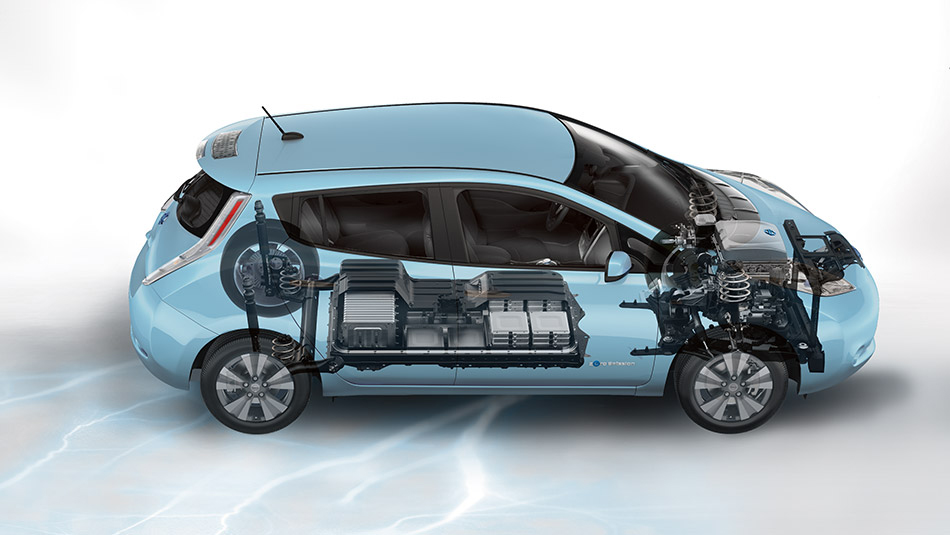
2015 Nissan LEAF cutaway
In other recent news, companies are forming to take advantage of re-packaging used EV batteries for other uses. Nissan recently announced it is teaming up with Green Charge Networks, an energy start-up, to reuse LEAF batteries to store energy for commercial and industrial buildings.
After many years of service, car batteries eventually need to be replaced. But they still retain enough charge for lighter chores.
When electricity rates are highest, in the middle of the day, a corporate customer can switch its energy use from the power grid to these re-packaged batteries. Or, even better, it can use the batteries to store unused energy from rooftop solar panels. Some homeowners already are doing this by connecting their solar panels to their EVs, to store the energy in the car’s batteries for later use.
Battery technology continues to improve, as well. In fact, the day is nearing when the typical EV motorists will be able to leave home with a full charge, go about their daily routine, and return home with ample charge remaining in their Nissan LEAF or Renault ZOE.
Later this year, you will hear more about our initial steps to increase the range of our EVs. Our goal is to eliminate “range anxiety” for our customers, as we continue our effort to make zero-emission vehicle a mainstream choice.
I missed it first time around, but additional information is available in the “Second-life” press release of June 15th:
Nissan Motor Company and Green Charge Networks, the largest provider of commercial energy storage, have joined forces to deploy second-life lithium-ion vehicle batteries for stationary commercial energy storage in the U.S. and international markets.
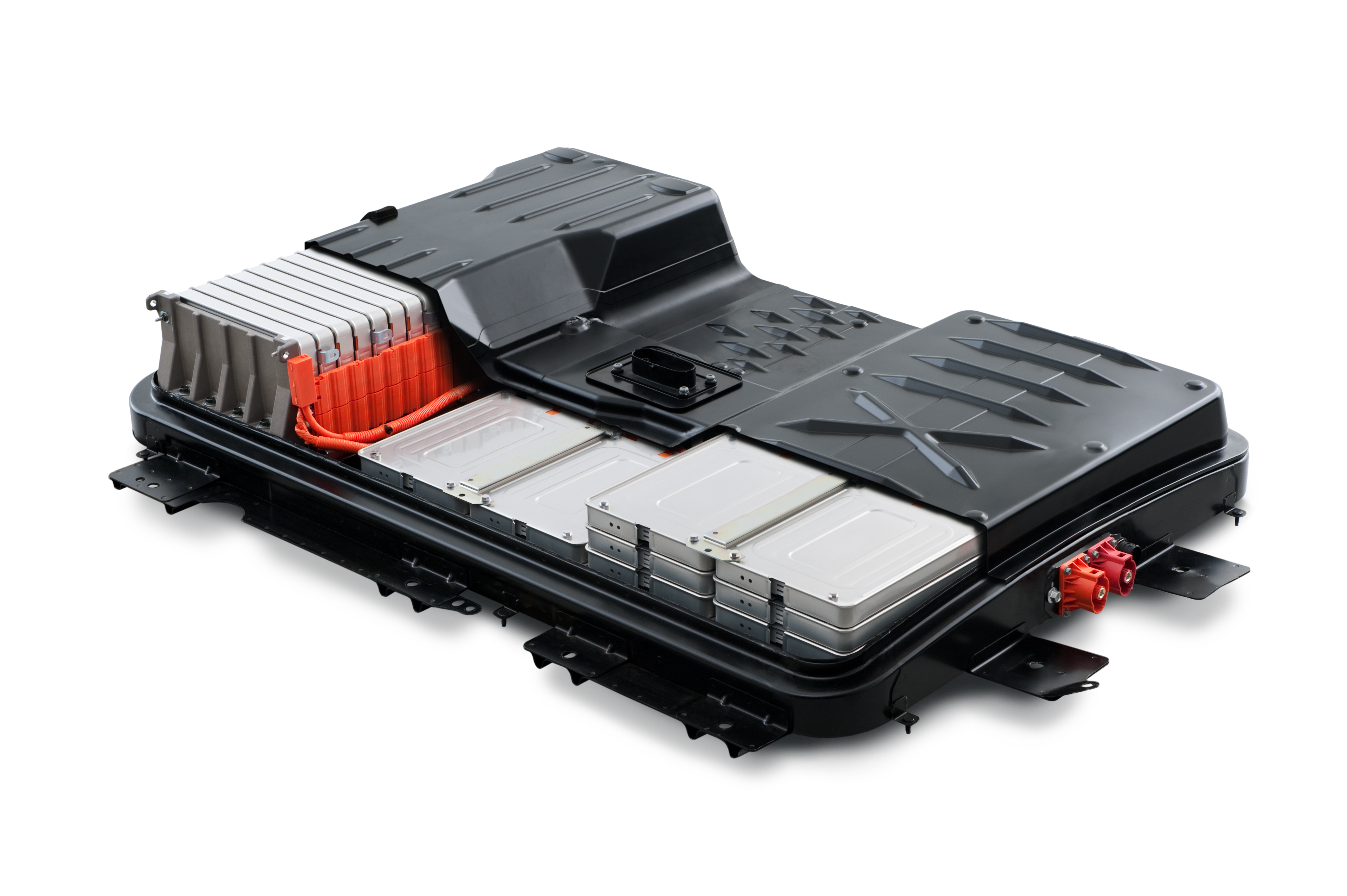
2015 Nissan LEAF battery pack
As part of the company’s commitment to sustainability and reducing greenhouse gas emissions, Nissan has conducted multiple research projects in Japan, the U.S. and Europe to use LEAF batteries outside the vehicle through 4R Energy, a joint-venture with Sumitomo Corp. formed in 2010.
In a new stationary storage application powered by Green Charge’s intelligent software and Power Efficiency Agreement™, the second-life energy storage unit has a cost advantage over traditional units, opening up new markets where incentive programs are currently not offered.
Engineering teams from both companies have worked together for more than a year to ensure safety, reliability and performance of this offering for commercial customers.
The first combined storage unit will be installed at a Nissan facility this summer, where multiple Nissan LEAF batteries will be configured to offset peak electricity demand, creating savings while also benefiting the utility grid. Systems like this also can be paired with renewable energy sources such as wind or solar to further reduce a facility’s environmental footprint and enhance energy savings.
I visited Bristol yesterday to attend the Regen SW “Community Energy Markets” conference. More from me on the event in due course, but before that I must point out that Bristol is “European Green Capital” for 2015. Here’s a video revealing how Bristol looks from behind the wheel of the current Nissan LEAF:
Earlier this week BBC News revealed how Japan looks from behind the wheel of the current Nissan LEAF:
According to the BBC:
The boss of Nissan, Carlos Ghosn, has not been shy about expressing his disdain for hydrogen. Instead, Nissan is betting on lithium ion batteries.
All forthcoming products will reflect Nissan’s commitment to delivering breakthroughs that advance vehicle safety, efficiency, and connectivity.
During our discussion later in this meeting, we will update you on Nissan’s plans to introduce an autonomous drive vehicle by 2020. We are continuing to develop this exciting technology.
The vehicle that stands to my left features the latest versions of hardware and software that Nissan is developing.
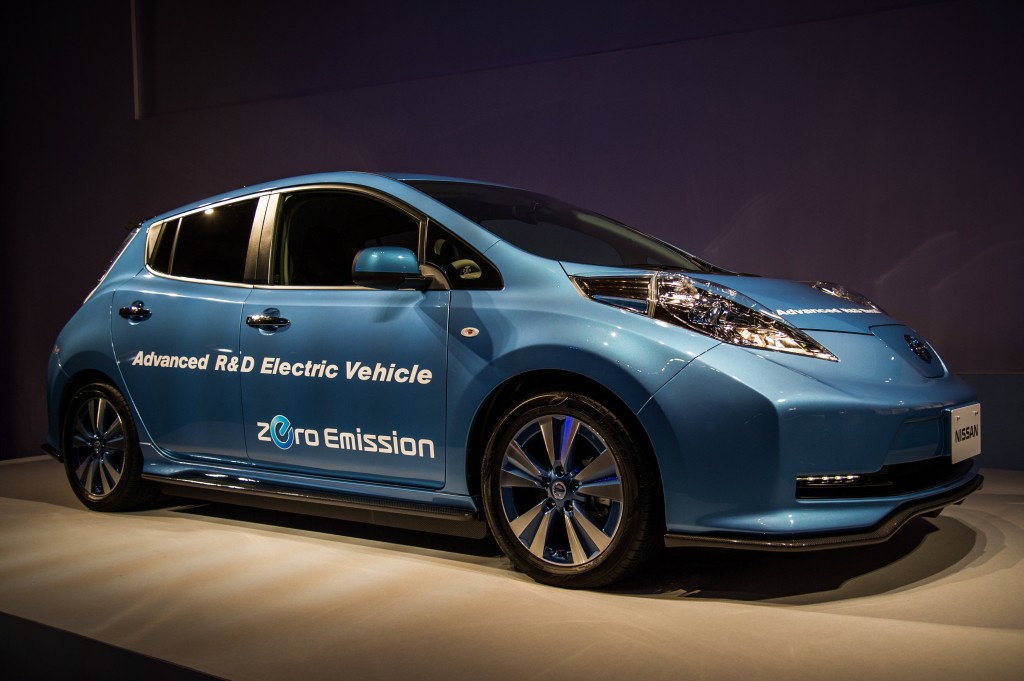
The vehicle that stands to my right is another advanced technology breakthrough. It explores how far we can extend electric vehicle range by making changes to the battery.
Today there are only two reliable ways to increase electric vehicle range.
The first is to have a massive network of EV chargers, so that when you are away from home you have the ability to recharge easily.
The other option is to put a larger battery pack into the vehicle so that the driver enjoys greater range. However, with today’s level of technology, adding more battery means adding more cost.
As you know, Nissan has been one of the world’s foremost advocates for the development of recharging networks. With our efforts and the support of government and private sector partners, Japan has one of the most highly developed charging infrastructures in the world.
There are now more than 14,000 EV chargers, not including home chargers, in Japan. This means that EV drives already have the freedom to drive throughout mainland Japan without worrying about battery range.
Unlike customers in some other markets, where the charging networks are in earlier stages, customers in Japan who want to enjoy the benefits of driving a LEAF have no need to wait. Japan’s vast EV charging network already provides an incentive for you to move to Nissan’s zero-emission technology. And, during FY2015, the number of chargers in Japan will increase even further. However, that doesn’t mean we will become complacent and stop working to advance our battery and vehicle technologies.
We believe that, in the near future, Nissan can provide EV drivers with even greater “peace of mind” range, by offering comparative mobility to today’s conventional vehicles.
Nissan is exploring new materials and chemistry solutions in order to make thinner, lighter weight and less costly batteries. We foresee the day when you leave your home with a full charge, and are able to go about your day with no concerns…then return home with ample charge.
This video shows how we envision a routine day.
With this vision in mind, our advanced battery research will continue. But we will not wait for its completion to move forward. Later this year, you will hear more about our initial steps to increase EV range.
All of which puts me in mind of a couple of things a Nissan representative said in response to a question about “warranties” that was posed at the V2G workshop I attended earlier this month. It seems Nissan’s battery electric vehicle “warranty doesn’t prohibit V2G” and the “impact [of V2G] on the battery is insignificant”.