Nissan UK Announce V2G Enabled Next Generation LEAF

There have recently been a series of press releases from Nissan UK about their forthcoming range of electrically powered vehicles. At the end of May Nissan UK announced the electric MICRA. Yesterday they launched what was described as “The all-new LEAF“:

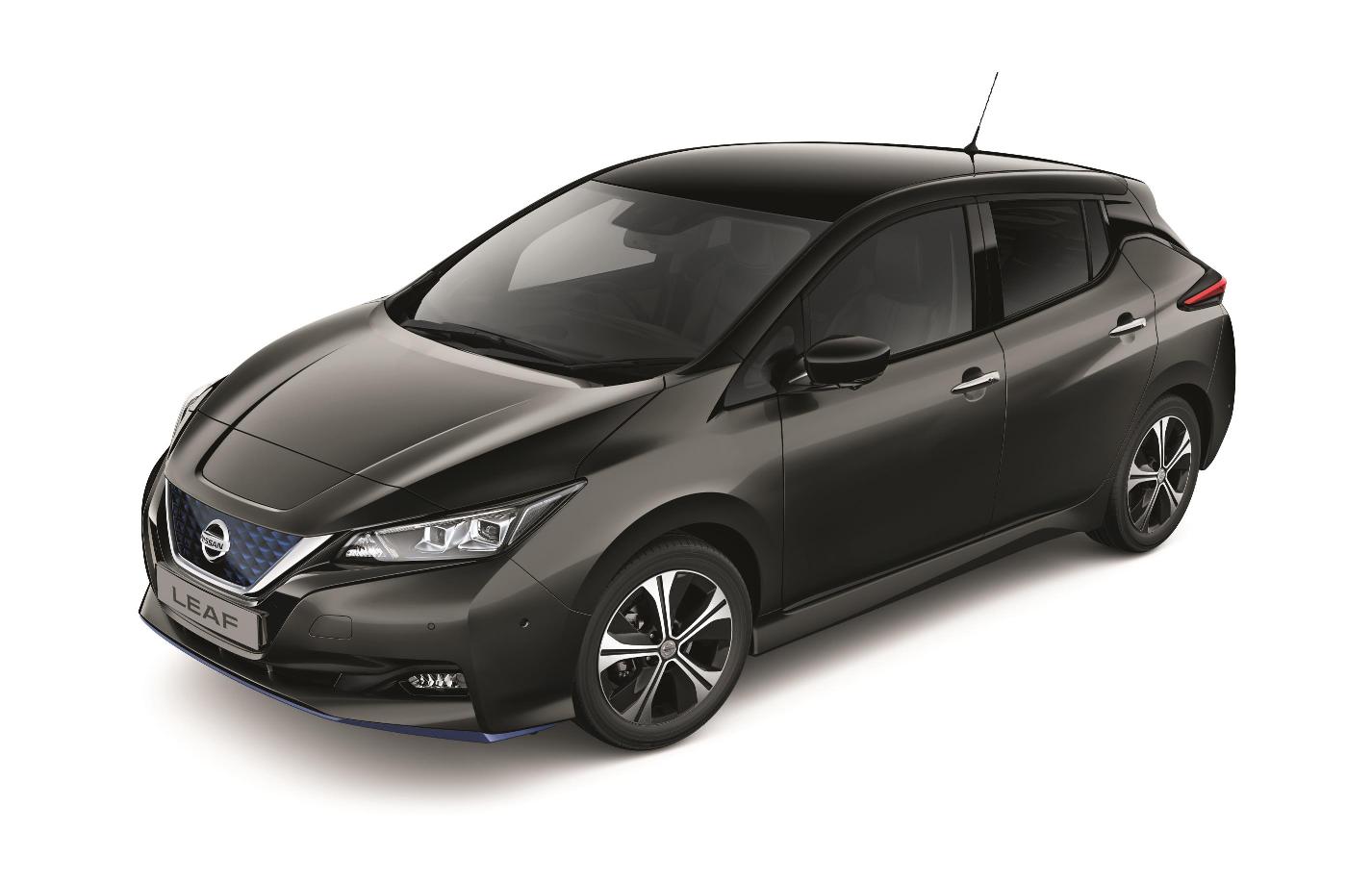
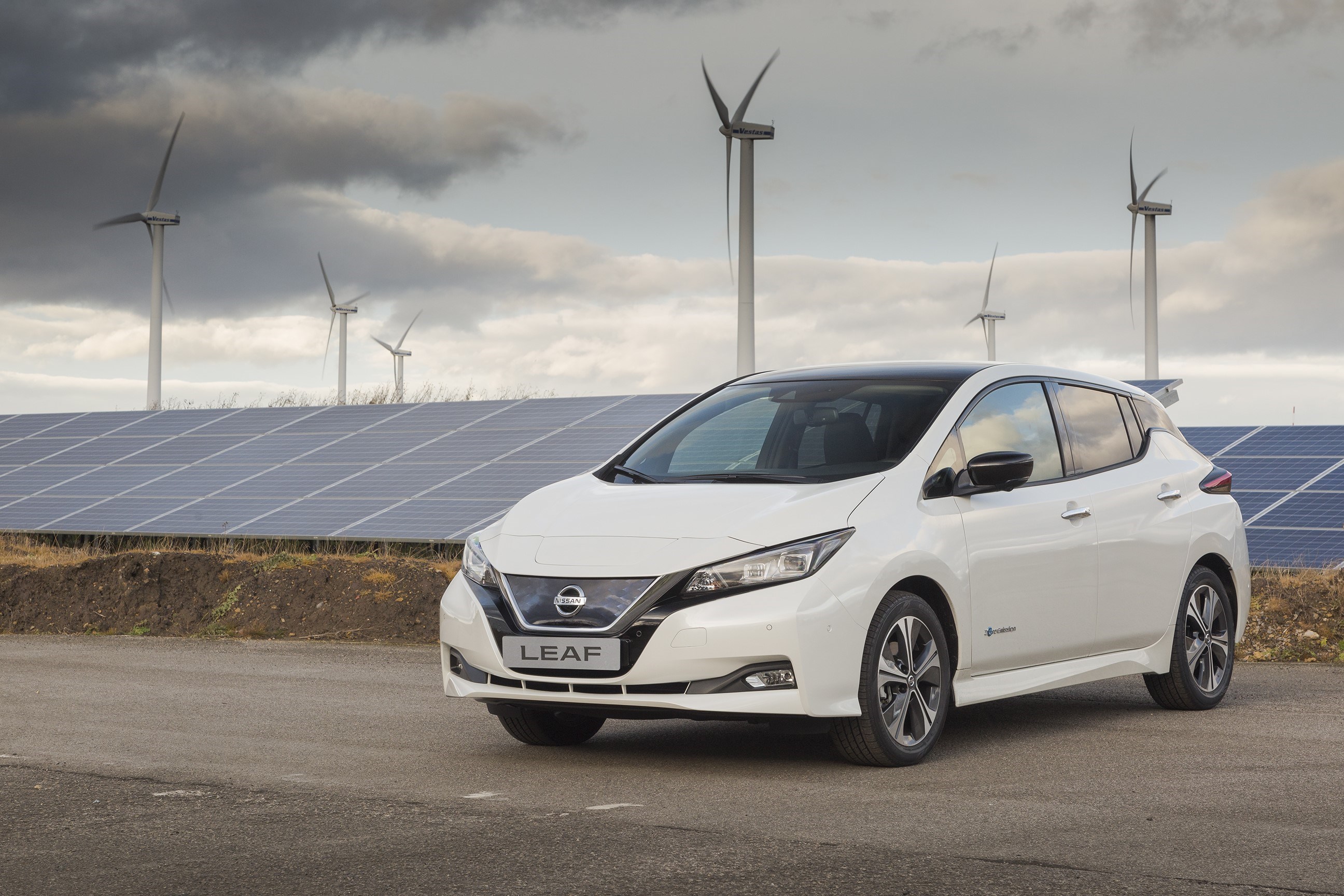
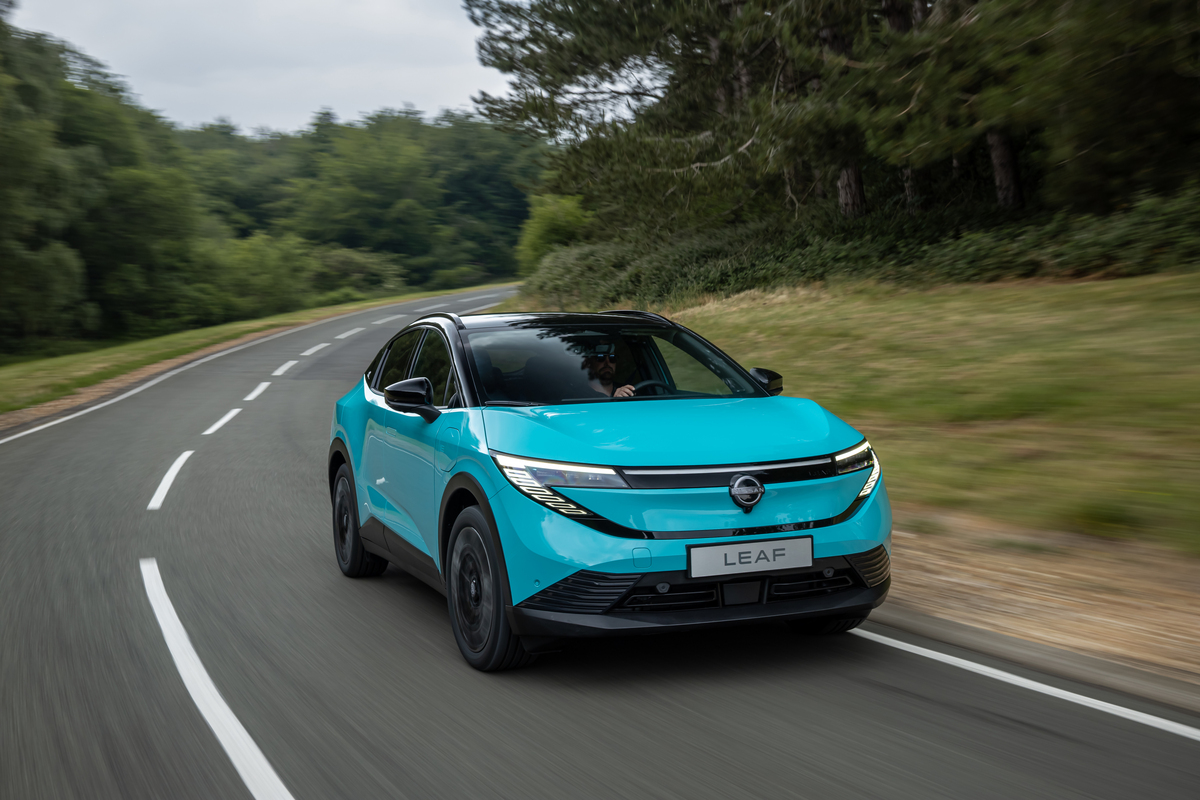
Today marks the debut of the all-new version of the Nissan LEAF – a British-built electric car icon.  

  • The all-new Nissan LEAF is the next step in Nissan’s EV journey, building on its legacy as the world’s first mass-market electric car
  • The sleek, aerodynamic, and spacious crossover design comes with two battery options for an impressive range of up to 375 miles (WLTP), ensuring confident driving for everyday and long-distance trips
  • Delivers a fully connected mobility experience with Google built-in, dual 14.3” screens, and advanced driver assistance technologies
  • Built in Sunderland, UK, as part of Nissan’s EV36Zero initiative, supporting a sustainable electric future for Europe

This third generation of the pioneering LEAF continues to lead the charge in Nissan’s electrification strategy with a sleek design, significantly extended range, and intuitive technology that is seamlessly integrated for today’s connected driver.

Engineered to tackle key barriers to EV adoption, the all-new LEAF has a substantially increased maximum range of up to 375 miles on a single charge for a no-compromise driving experience. It also offers enhanced charging speeds (up to 260 miles of range in 30 minutes) and a suite of technologies that make both driving easier and EV ownership more rewarding.

Since its debut in 2010, the Nissan LEAF has sold close to 700,000 units worldwide, earning its place in history as the world’s first mass-market electric vehicle. Today, Nissan is ushering in a new chapter for this nameplate, re-designed and re-engineered to meet the needs of modern EV customers, while remaining true to its innovative roots…

Designed at Nissan’s Global Design Studio in Atsugi, Japan, the all-new LEAF introduces a stylish silhouette that reflects its dynamic character and aerodynamic efficiency. With a drag coefficient of just 0.25, its sleek design optimises airflow to enhance both performance and range. Flush door handles, a flowing roofline, full under floor cover, and sculpted surfaces create a modern profile, while its signature front and rear lighting delivers a distinct, high-tech identity on the road.
Pretty pictures and low drag coefficients are all very well, but “What about the all new LEAF’s V2x capabilities?” I hear you ask. Heading for the small print I learn that:

Continue reading →
The Future of Vehicle to Grid EV Charging?

Our title for today is shamelessly plagiarised from an article of the same name on the Electric Nation web site, which begins as follows:

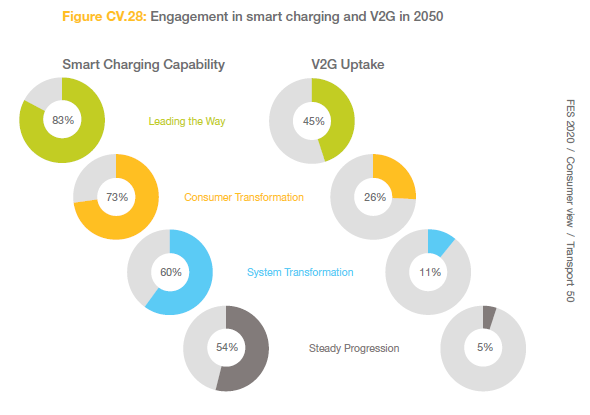
By 2050, up to 45% of households will actively provide Vehicle to Grid (V2G) services, according to National Grid’s Future Energy Scenarios, published in July 2020. But will the average Electric Vehicle (EV) driver be able to use V2G charging over the next few years?

A very good question and a very interesting infographic! The article continues:

The rapid growth in the numbers of electric vehicles on our roads will mean more demand on local electricity networks if EVs are all plugged in at the same time, such as during the peak between 5pm and 7pm in the evening. Smart charging, or ‘V1G’, which allows management of the time when EV charging occurs – as trialled by the original Electric Nation project – will help to avoid this situation.

V2G charging will be more effective than smart charging. This is due to the ability to link EVs together and put significant levels of energy back into the grid at peak times, like a huge decentralised power station. V2G will therefore help to reduce the grid’s need for additional energy generation, typically supplied by fossil fuels at peak times, as well as reducing demand on electricity networks, and allowing EV drivers to use greener and cheaper electricity.

So far so good, I agree entirely. However the next paragraph states:

Continue reading →

E.ON and Nissan Report on 20 V2G Charger Trial

In a press release earlier today E.ON and Nissan announced that they:

Have successfully deployed 20 vehicle-to-grid (V2G) chargers as part of a trial to demonstrate how electric vans and cars could play a role in supporting the UK grid and provide a profitable and sustainable solution for business fleets.

The install at Nissan’s European Technical Centre in Cranfield is the first in a large-scale V2G trial co-funded by Innovate UK. The project will test and demonstrate how storing and sharing electricity in fleet vehicles’ batteries can generate additional revenue for participating companies as well as supporting the power grid.

Having validated the technology at Nissan’s Cranfield site, the project is now recruiting further participants for the trial and plans to deploy V2G chargers for organisations across the UK.

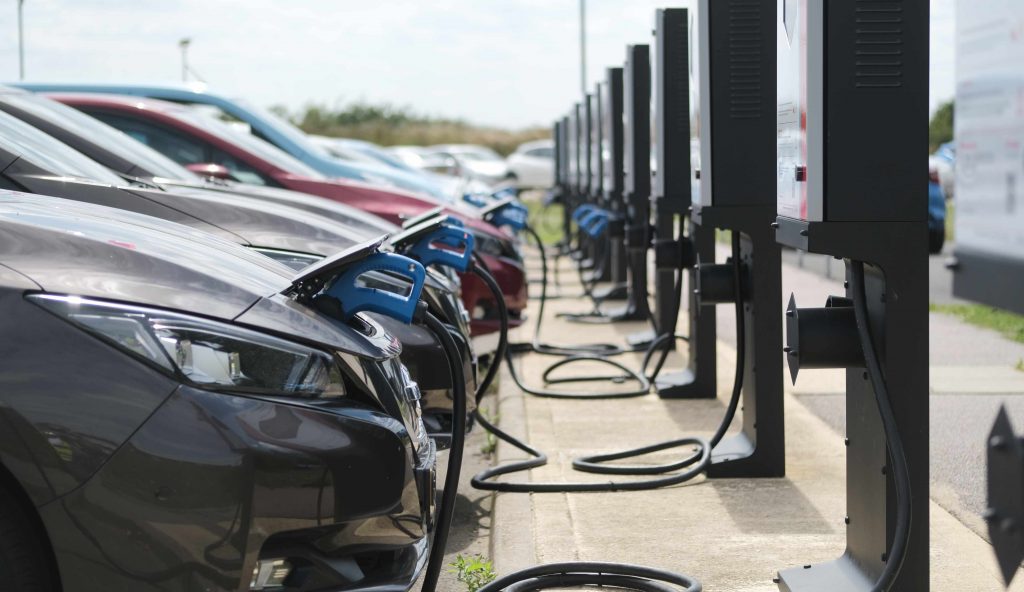
E.ON Drive’s Vehicle to Grid chargers at Nissan’s UK Research and Innovation site in Cranfield.

If you are a fleet owner think of going electric then Nissan want to talk to you! The press release continues with this quote from Nissan Motor GB’s Fleet Director, Peter McDonald:

We know many fleets are not just looking at electric vehicle acquisition, they are also reviewing their energy infrastructure for a world where electric vehicles are fast becoming the norm. Nissan is collaborating with E.ON on this exciting energy infrastructure project to expedite V2G technology in the UK. Thanks to the LEAF and e-NV200 being V2G-capable, these EVs are well set for the future.

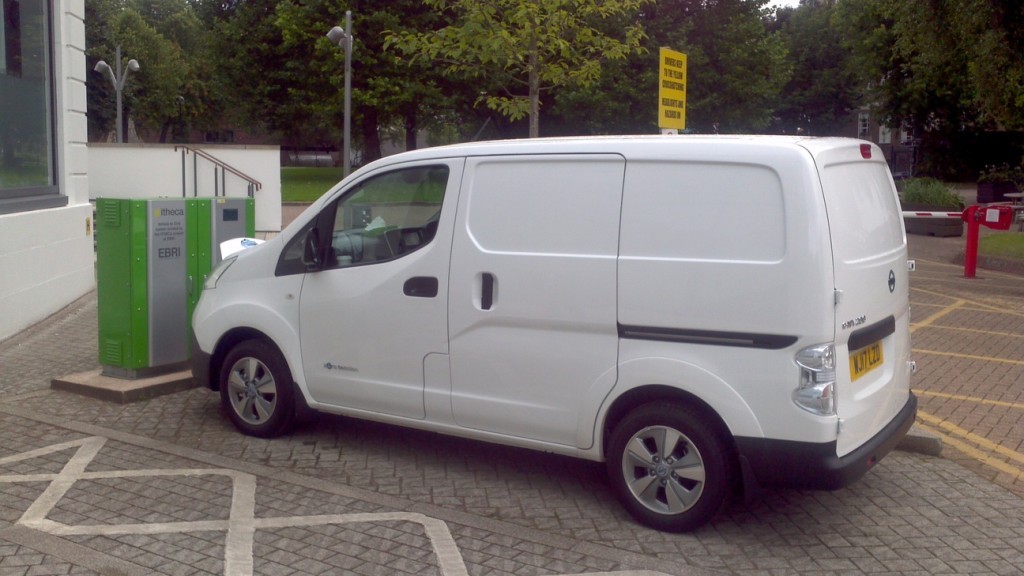
I wonder whether Lisa, our very own Nissan LEAF counts for the purposes of this trial. As regular readers will no doubt be aware, we have been looking to expand our small “fleet” with an e-NV200 for quite some time. Perhaps this is the perfect opportunity, since:

The V2G package for participants in the trial will be offered at a heavily subsidised price through grant funding made available through Innovate UK. Vehicles compatible with the technology being used in this project are currently the Nissan e-NV200 and the Nissan LEAF2.

As well as E.ON and Nissan the V2G project consortium (known as e4Future) includes Newcastle University, Imperial College London, Northern Powergrid, UK Power Networks and National Grid ESO. The V2G platform used on the trial utilises a combination of E.ON’s existing Virtual Power Plant software as well as a charger operating system provided by E.ON’s e-mobility partner Virta.

The project is part of the V2G programme, funded by the Department for Business, Energy and Industrial Strategy and the Office for Low Emission Vehicles (OLEV), in partnership with Innovate UK. Part of UK Research and Innovation (UKRI), Innovate UK is the UK’s innovation agency investing in science and research.

Here is an image of our concept that we prepared earlier. In 2017 to be precise:


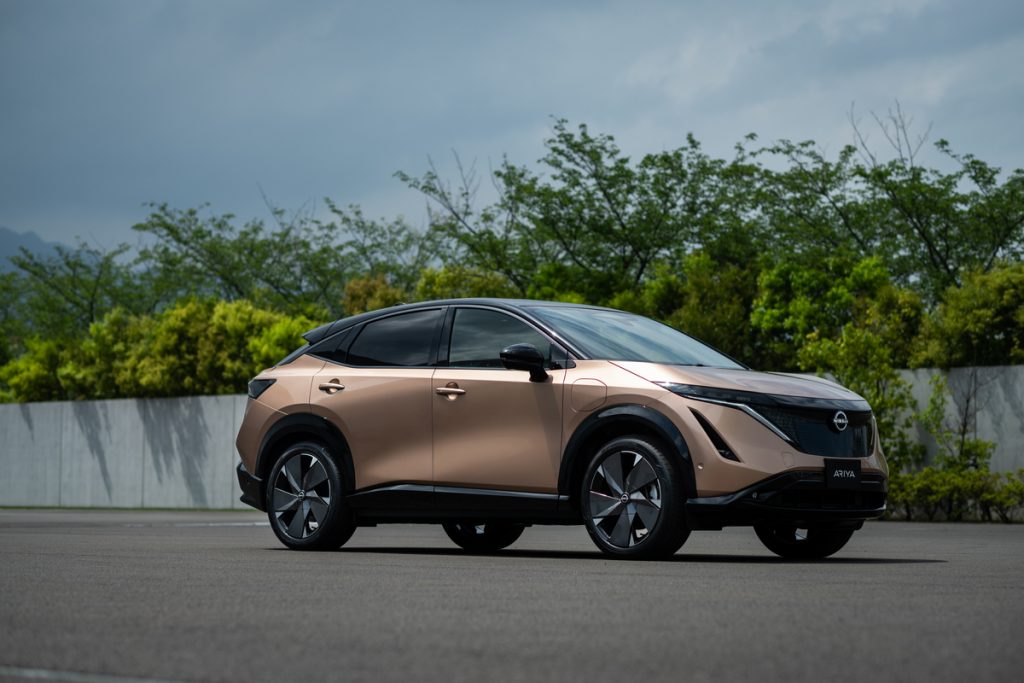
Nissan Launches CHAdeMO-less Ariya eSUV

In a press release earlier this week Nissan announced that it had:

Revealed to the world the all-new Nissan Ariya electric coupé crossover, marking a new chapter for Nissan electric vehicles. The EV premiered globally through a virtual event hosted at the soon-to-open Nissan Pavilion in Yokohama.

The Ariya – Nissan’s first all-electric coupé crossover– offers powerful acceleration and smooth, quiet operation, as well as an interior with a welcoming, luxurious lounge-like atmosphere. Its stress-free autonomous driving features, voice personal assistance and seamless connectivity heighten on-road confidence and provides a welcoming environment for the driver and passengers. And with an estimated range of up to 500 kilometers (based on WLTP combined cycle, subject to homologation), Ariya is the perfect partner for daily commutes and road trips alike.

The Nissan Ariya is heavily based on the similarly-named concept vehicle displayed at the 2019 Tokyo Motor Show and first hinted at with the IMx at the 2017 Tokyo Motor Show. It’s the first production model to represent Nissan’s new electrified brand identity, forging a path toward a new automotive era where electrification, optimized platform packaging and seamless vehicle AI technology will become standard.

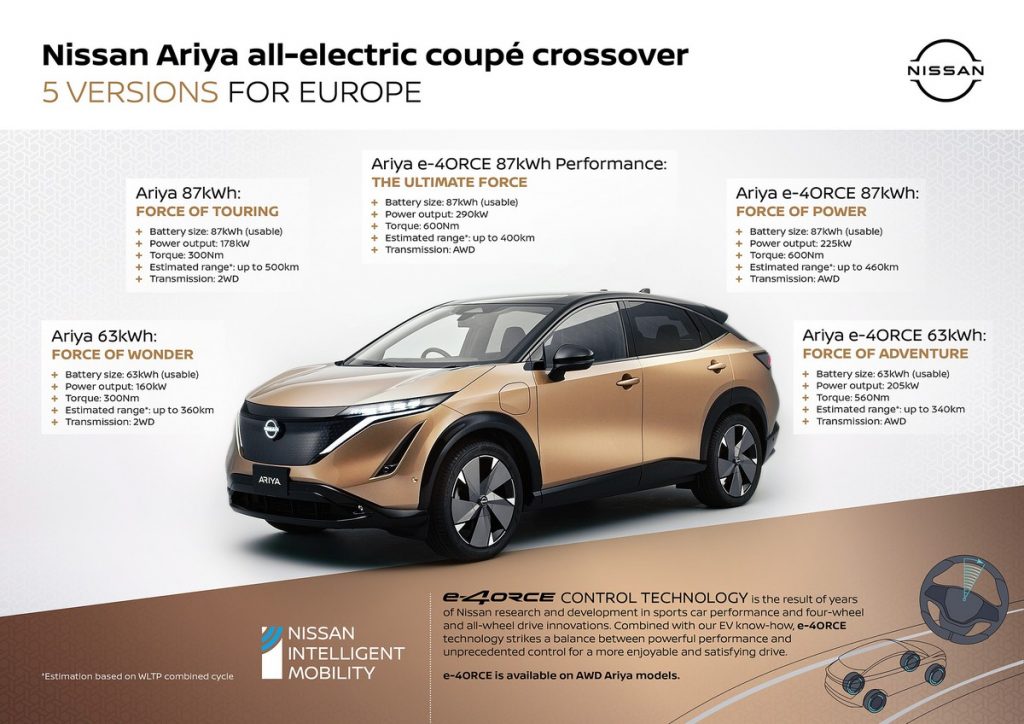
A bit of a change from the venerable LEAF then, with a dual motor 4 wheel drive option accompanying the “new electrified brand identity”, which does reduce the range somewhat:

As you can see from Nissan’s Ariya infographic, the LEAF’s dual AC/DC charging connector has moved from front and centre to the nearside front wing. Nissan haven’t provided an image of what’s hiding under the cover, but the press release does mention in passing that:

Continue reading →

Nissan Announces 62kWh LEAF e+ N-TEC. With Free V2G Charger!

A Nissan press release has just landed in my in box, and I’m now so excited I’m going to reproduce it in reverse order! The final bullet point reads as follows:

Earlier in the release the following points are also mentioned:

Nissan has confirmed the all-electric LEAF range will benefit from a new N-TEC limited edition, joining the cross car line N-TEC versions of Micra, Qashqai and X-Trail, which were launched in January.LEAF e+ N-TEC 2020

Priced at £32,795 OTR (including the £3,500 Government Grant) the LEAF e+ N-TEC creates a new accessible price point for the higher 62kWh capacity battery drivetrain. Launched in summer 2019, the e+ version of LEAF delivers 217PS of power, 340Nm of torque and up to 239 miles of range (WLTP combined) on a single charge.

The LEAF e+ was previously available as a range-topping Tekna version. The new N-TEC edition, limited to just 1,000 examples, is based on the N-Connecta grade of the 40kWh line-up, but with added technology and styling, complementing the higher capacity 62kWh battery.

The N-TEC specification adds:

  • LED Pack and LED fog lights with cornering function (usually £495 option)
  • ProPILOT with Lane Keep Assist & Traffic Jam Pilot (usually £595 option)
  • Electronic Parking Brake
  • Metallic Blue Front Splitter
  • Revised e+ suspension set-up

It seems as though the “free” OVO vehicle-to-grid wallbox comes as part of Nissan’s finance campaign, available until 31st March 2020 as part of Nissan’s Red Tag Event.

I have endeavoured to contact both Nissan UK and OVO for comment, but they have yet to get back to me.

P.S. Nissan UK have been in touch. They assure me that the 62 kWh LEAF N-TEC is already in production, and if the 1000 special edition vehicles haven’t all been sold by March 31st a new finance offer will be made available. Based on that conversation it sounds as though the “free” V2G wallbox is available as part of OVO Energy’s continuing V2G trial, and is not dependent on Nissan’s finance. Full details can be seen at:

https://www.ovoenergy.com/electric-cars/vehicle-to-grid-charger

Our V2G Charger stores electricity in your Nissan electric vehicle battery when it’s cheaper and more likely to have been produced by renewable sources, then sells energy back to the grid when it’s in demand.

Sign up to OVO Energy, join the trial and you’ll get a groundbreaking charger for free. You will also get a £75 credit on your OVO Energy bill and a payment of up to 30p per kWh of energy exported back to the grid.

Watch this space for more news as and when we receive it.

Autonomous Nissan LEAF Drives 230 Miles

A press release from Cranfield University reveals that:

A car developed with advanced vehicle engineering research and testing facilities at Cranfield University has successfully completed the UK’s longest and most complex self-navigated journey. Travelling 230 miles on UK roads from the Nissan European Technical Centre in Cranfield up to its factory in Sunderland, the autonomous car journey was alongside regular road users and marks a significant milestone in the development of autonomous cars.

Here’s a video of the autonomous Nissan LEAF’s “Grand Drive” road trip:

The Cranfield press release continues:

The HumanDrive project – jointly funded by the UK Government through the Centre for Connected and Autonomous Vehicles (CCAV) and Innovate UK, and nine other consortium partners – includes:

  • Nissan – Lead partner and leading the autonomous vehicle (AV) development
  • Hitachi – Artificial Intelligence (AI) to provide human-like control and perception
  • University of Leeds – Understanding humanistic driving and its application to AVs whilst also developing a driver risk model
  • Connected Places Catapult (CPC) – Project management, communications and marketing activity, dissemination and safety case elements of the project
  • HORIBA MIRA – Provider of test facilities, supported safety aspects of the project
  • SBD Automotive – Cyber security support and AV Human machine Interface (HMI) studies
  • Atkins Ltd – Provision of a Cyber Security Framework
  • Aimsun Ltd – Studying the impact of AVs on the transport system
  • Highways England – Understanding the infrastructure needs for AV deployment

The Grand Drive journey was successfully completed on 28 November 2019, with two engineers on board and monitoring the vehicle’s actions at all times. Both were fully trained to conduct autonomous vehicle testing, with one behind the wheel and ready to take control if required, and the second supervising the car’s control and monitoring systems.

Cornwall Climate Emergency Energy Workshop

Earlier this year Cornwall Council declared a climate emergency. According to the Council’s original announcement:

Cornwall Councillors met at the Full Council on the 22 January 2019, where Councillors debated a significant motion on tackling climate change and voted to support the declaration of a climate change emergency.

This was an amendment tabled by Councillor Jayne Kirkham to the motion put forward by Councillor Dominic Fairman calling for ‘Urgency on Climate Change’. The amended motion was agreed by the Council and a climate emergency was declared.

View the minutes of the Full Council meeting on meeting on 22 January 2019

The declaration requires the Council to prepare a report outlining how it can sufficiently reduce carbon emissions through energy and other Council Strategies, plans and contracts to ensure Cornwall works towards carbon neutrality by 2030.

Section CC/381 of the minutes concerning “Urgency on Climate Change” reveals that:

A key element of the planning system was reduced car dependency and a move towards electrification was now government policy to help improve air quality. Other issues included highly energy efficient homes to tackle fuel poverty and well insulated homes also added protection for the vulnerable during heatwaves. Members were reminded that Cornwall was the sweet spot of the UK for renewable energy having the best resource in Western Europe and the best solar and geothermal resource in the UK.

A few days ago there was a lively debate on the topic in the Council chamber. Now as part of the process of drawing up that action plan the Council held an energy strategy workshop at the Penryn campus of the University of Exeter yesterday. Here is my brief report on what went on behind the closed doors of the Green seminar room:

Here too is one of our own suggestions for “reducing car dependency and moving towards electrification of transport” whilst improving air quality in Camelford:

“The Camelford Electric Car Club”

Apart from improving air quality an electric vehicle club in Camelford would also reduce the number of cars sitting unused in garages and car parks for much of the time. One car club vehicle can result in 10-20 private cars being taken off the road. If you don’t possess a car you’re more likely to indulge in healthier alternatives such as walking or cycling for short journeys. In rural areas with poor public transport car clubs allow people who could never afford a car of their own to make occasional longer trips they would otherwise be unable to, except perhaps by taxi.

Here are a couple of popular potential car club vehicles:

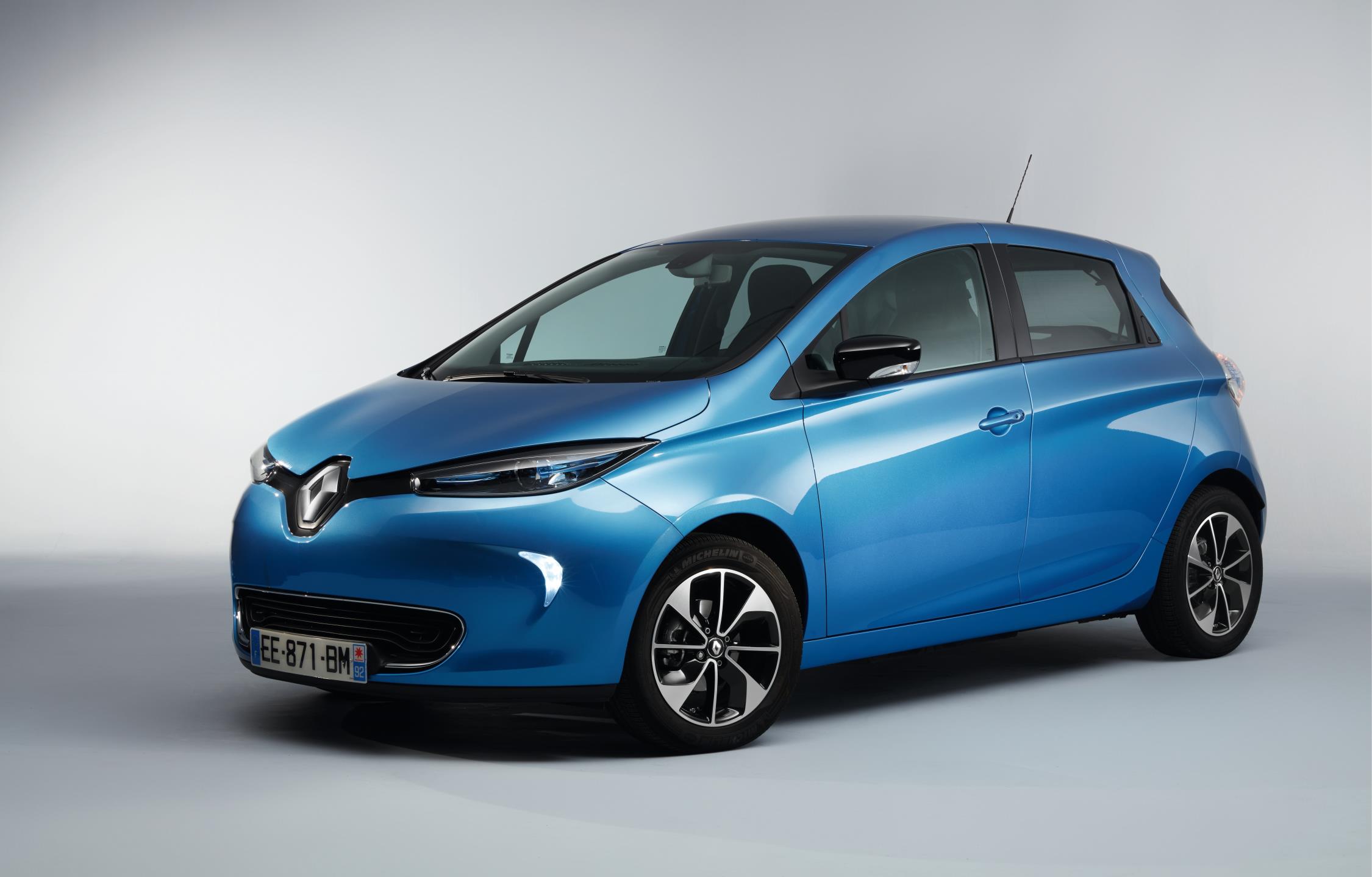
Renault ZOE

Renault ZOE

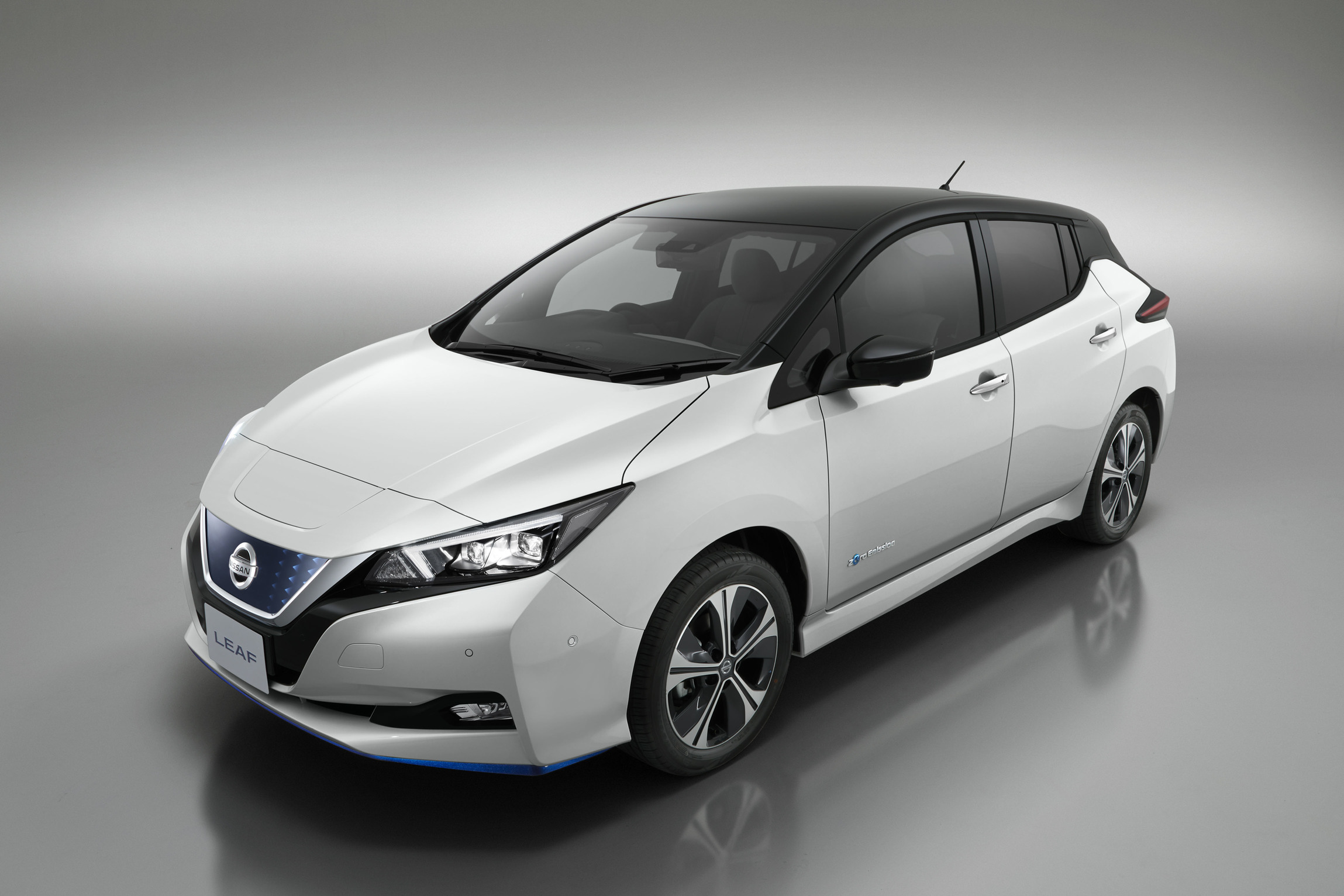
Production begins of the new Nissan LEAF in Europe

Production begins of the new Nissan LEAF in Europe

Which would you prefer to drive?

Nissan Announces the LEAF 3.ZERO

In a press release earlier this morning Nissan announced that:

Nissan has confirmed the evolution of the highly successful LEAF electric vehicle (EV) by launching two versions of the LEAF 3.ZERO. This new offer will broaden the appeal of EVs to more customers, and both models are ready to order from January 9, 2019.

Following a record-breaking year for Nissan electric vehicles, LEAF 3.ZERO brings to Europe’s best-selling electric vehicle a new 8-inch infotainment screen enabling additional connectivity services such as door-to-door navigation. An all-new and improved NissanConnect EV app will also be available when the LEAF 3.ZERO goes on sale in Europe.

The LEAF 3.ZERO – priced from £31,095 including the £3,500 UK Government Plug-in Car Grant – features the 40 kWh battery. New body colours and two-tone colour combinations will complete the choices. Customers can place their orders for LEAF 3.ZERO from now.

As you can see, other than the new colours the LEAF 3.0 looks a lot like the 2.0 flavour:

Exterior_03

The Nissan LEAF 3.ZERO e+ Limited Edition, priced from £36,795 including Government Grant, is also available to order from January 9. This limited edition – of which only 5,000 units will be produced for Europe – features a higher output capable of delivering 160 kW (217 PS) of power; 340Nm of torque; and a longer driving range expected to be up to 239 miles* from a single charge of the 62 kWh capacity battery.

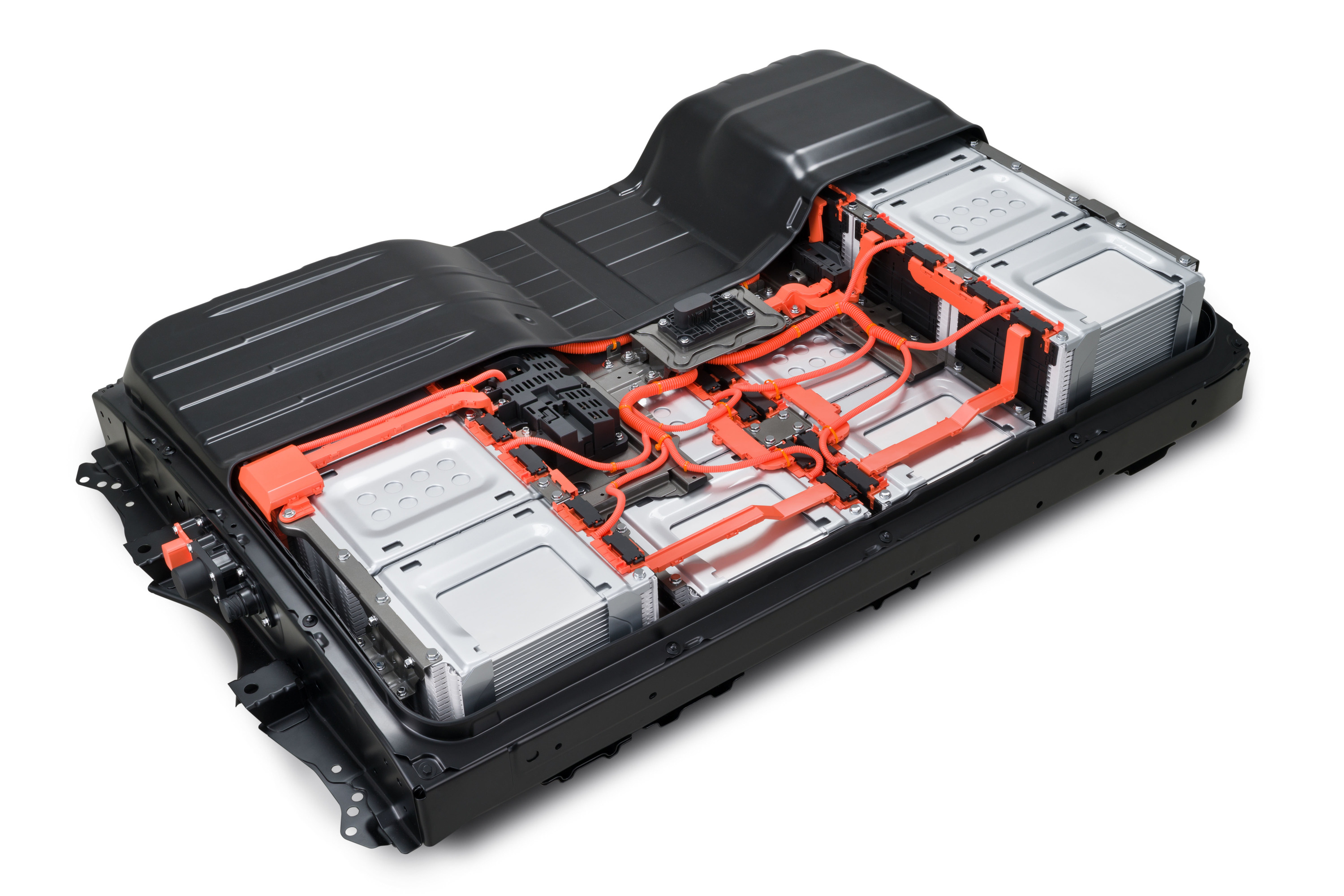
Here’s a picture of the obviously highly desirable 62 kWh battery pack!

62kWh_Battery_181107_02

Nissan’s press release continues:

Both 3.ZERO launch versions are flagship models for the 2019 Nissan LEAF, sitting at the top of their respective ranges.

At the centre of the LEAF 3.ZERO e+ Limited Edition is an Intelligent Power-enhanced high-capacity battery and more powerful motor.

On the road, the LEAF 3.ZERO e+ Limited Edition will deliver a 40% range increase over the LEAF 3.ZERO which is equipped with a 40 kWh battery. This represents more than 62 miles additional range for a comparable usage, a clear evolution of the LEAF.

Now as you might expect there’s already a #RapidGate style kerfuffle about the LEAF 3.0 on social media. See for example:

I phoned Nissan and a spokesperson informed me that the 2019 LEAF does not possess an active battery cooling system. That’s because:

In the UK the average Nissan LEAF is driven 35-40 miles per day.

I was assured that if you should live near John O’Groats and fancy a trip to visit V2G Towers down here in North Cornwall your friendly local neighbourhood Nissan dealer will still lend you a Nissan Qashqai for up to 2 weeks per year. Enough said? I expect not!

I was also assured that the “5,000 units for Europe” refers to the 3.ZERO e+ Limited Edition, and that more 2019 LEAFs with 62 kWh battery packs will become available in due course.

OVO Energy Install UK’s First V2G Home EV Chargepoint?

OVO Energy sent me a very nice birthday present yesterday via Twitter:

In an associated press release OVO announced:

Following the unveiling of the world’s first widely available, domestic vehicle-to-grid charger, at the Energy Technology Product Showcase in April, OVO can confirm it has successfully installed the first charger in a customer’s home.

Tom Pakenham, Director of Electric Vehicles, said: “We’re excited to install a vehicle-to-grid charger in a customer’s home. By developing vehicle-to-grid technology we’re enabling drivers to store renewable energy in their cars, use that to power their homes and to sell energy back to the grid at peak times, allowing our customers to earn rewards from smart charging their electric vehicle.”

By way of additional background information OVO added that:

The 6kW OVO Vehicle-to-Grid (V2G) Charger is the world’s first domestic bi-directional charger. It offers drivers of certain electric vehicles the opportunity to discharge excess electricity from their cars back to the electric grid to help supply energy at times of peak demand. It is the first such product to be produced and made commercially available at volume in the world.

Available to Nissan LEAF drivers with a 30 or 40kWh battery, the OVO Vehicle-to-Grid Charger could enable Nissan drivers to have free power for their electric vehicles by selling energy back to the grid. This is an important step for both companies to deliver their mission to offer customers free power for their electric vehicles.

This is part of the Innovate UK Vehicle-to-Grid competition, funded by the Office for Low Emission Vehicles (OLEV) and the department for Business Energy and Industrial Strategy (BEIS), in partnership with Nissan, CENEX, Indra and OVO.

Nissan, Kyushu Electric and ELEX Announce V2B Pilot Project

The following is based on Google’s translation of a Nissan press release currently only available in the original Japanese. Please forgive any inadvertent errors or omissions on my part!

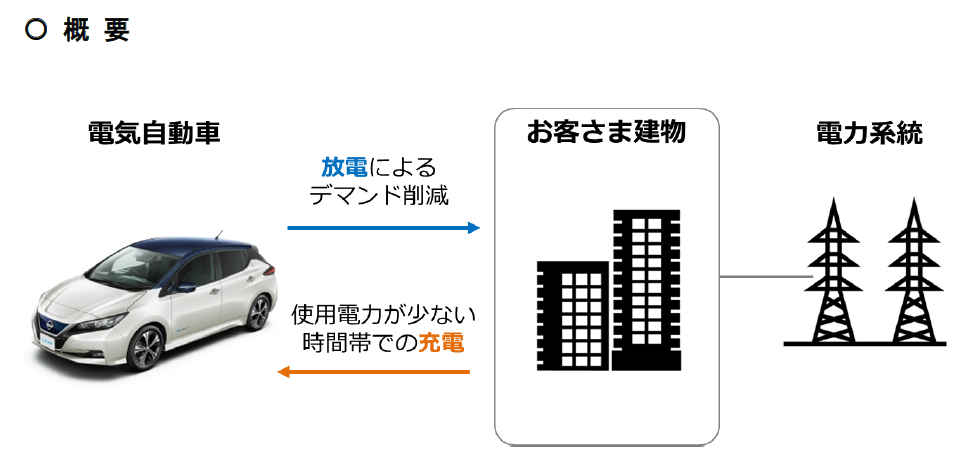
Kyushu Electric Power Company Ltd., ELEX Corporation and Nissan Motor Company Ltd. have announced a pilot V2B project for corporate customers:

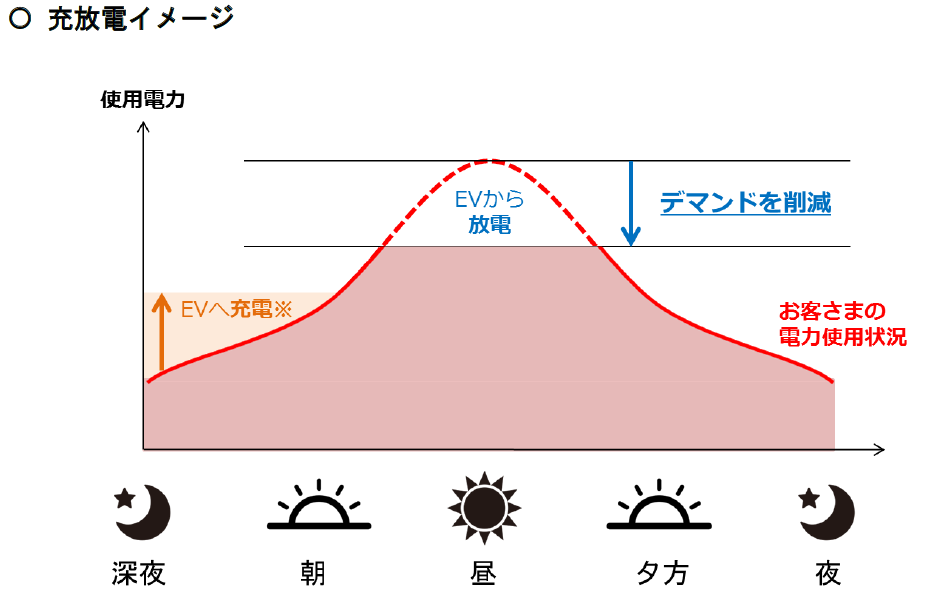
In January 2019 we will jointly start a V2B (Vehicle-to-Building) pilot project to reduce maximum power demand:

Nissan-Kyushu-01

In this project, we will provide a Nissan LEAF and bi-directional charging station to corporate customers in order to verify the effects of reducing customer’s demand by utilizing the electricity stored in electric vehicles batteries, and also use by the customer as an emergency power source.

Through this project, each company aims to acquire knowledge regarding the creation of new services utilizing EVs, and we will also consider future commercialization.

It looks as though peak shaving is the name of the game:

Nissan-Kyushu-02

Please watch this space for any further English language news about the project.