Cornwall Climate Emergency Energy Workshop

Earlier this year Cornwall Council declared a climate emergency. According to the Council’s original announcement:

Cornwall Councillors met at the Full Council on the 22 January 2019, where Councillors debated a significant motion on tackling climate change and voted to support the declaration of a climate change emergency.

This was an amendment tabled by Councillor Jayne Kirkham to the motion put forward by Councillor Dominic Fairman calling for ‘Urgency on Climate Change’. The amended motion was agreed by the Council and a climate emergency was declared.

View the minutes of the Full Council meeting on meeting on 22 January 2019

The declaration requires the Council to prepare a report outlining how it can sufficiently reduce carbon emissions through energy and other Council Strategies, plans and contracts to ensure Cornwall works towards carbon neutrality by 2030.

Section CC/381 of the minutes concerning “Urgency on Climate Change” reveals that:

A key element of the planning system was reduced car dependency and a move towards electrification was now government policy to help improve air quality. Other issues included highly energy efficient homes to tackle fuel poverty and well insulated homes also added protection for the vulnerable during heatwaves. Members were reminded that Cornwall was the sweet spot of the UK for renewable energy having the best resource in Western Europe and the best solar and geothermal resource in the UK.

A few days ago there was a lively debate on the topic in the Council chamber. Now as part of the process of drawing up that action plan the Council held an energy strategy workshop at the Penryn campus of the University of Exeter yesterday. Here is my brief report on what went on behind the closed doors of the Green seminar room:

Here too is one of our own suggestions for “reducing car dependency and moving towards electrification of transport” whilst improving air quality in Camelford:

“The Camelford Electric Car Club”

Apart from improving air quality an electric vehicle club in Camelford would also reduce the number of cars sitting unused in garages and car parks for much of the time. One car club vehicle can result in 10-20 private cars being taken off the road. If you don’t possess a car you’re more likely to indulge in healthier alternatives such as walking or cycling for short journeys. In rural areas with poor public transport car clubs allow people who could never afford a car of their own to make occasional longer trips they would otherwise be unable to, except perhaps by taxi.

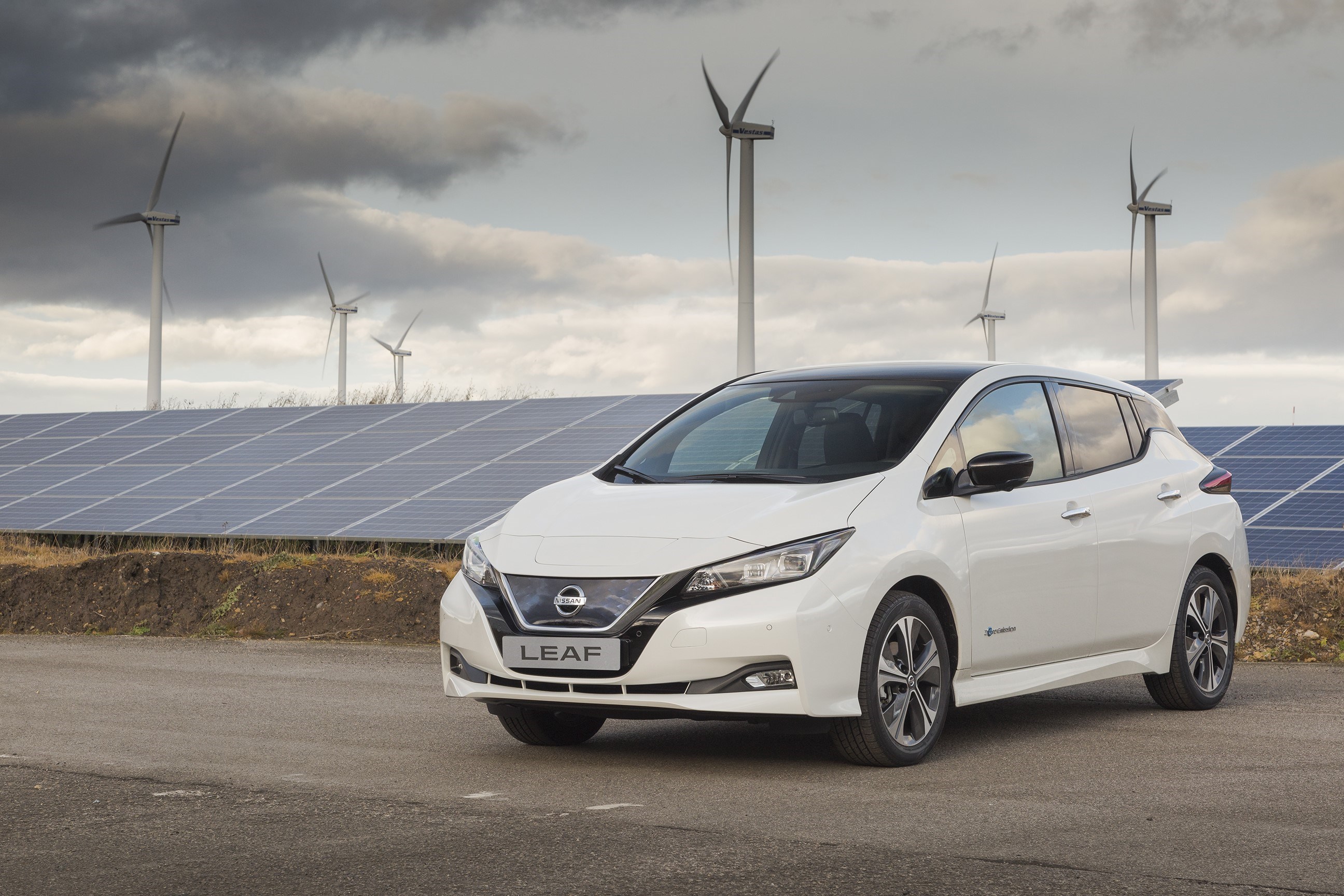
Here are a couple of popular potential car club vehicles:
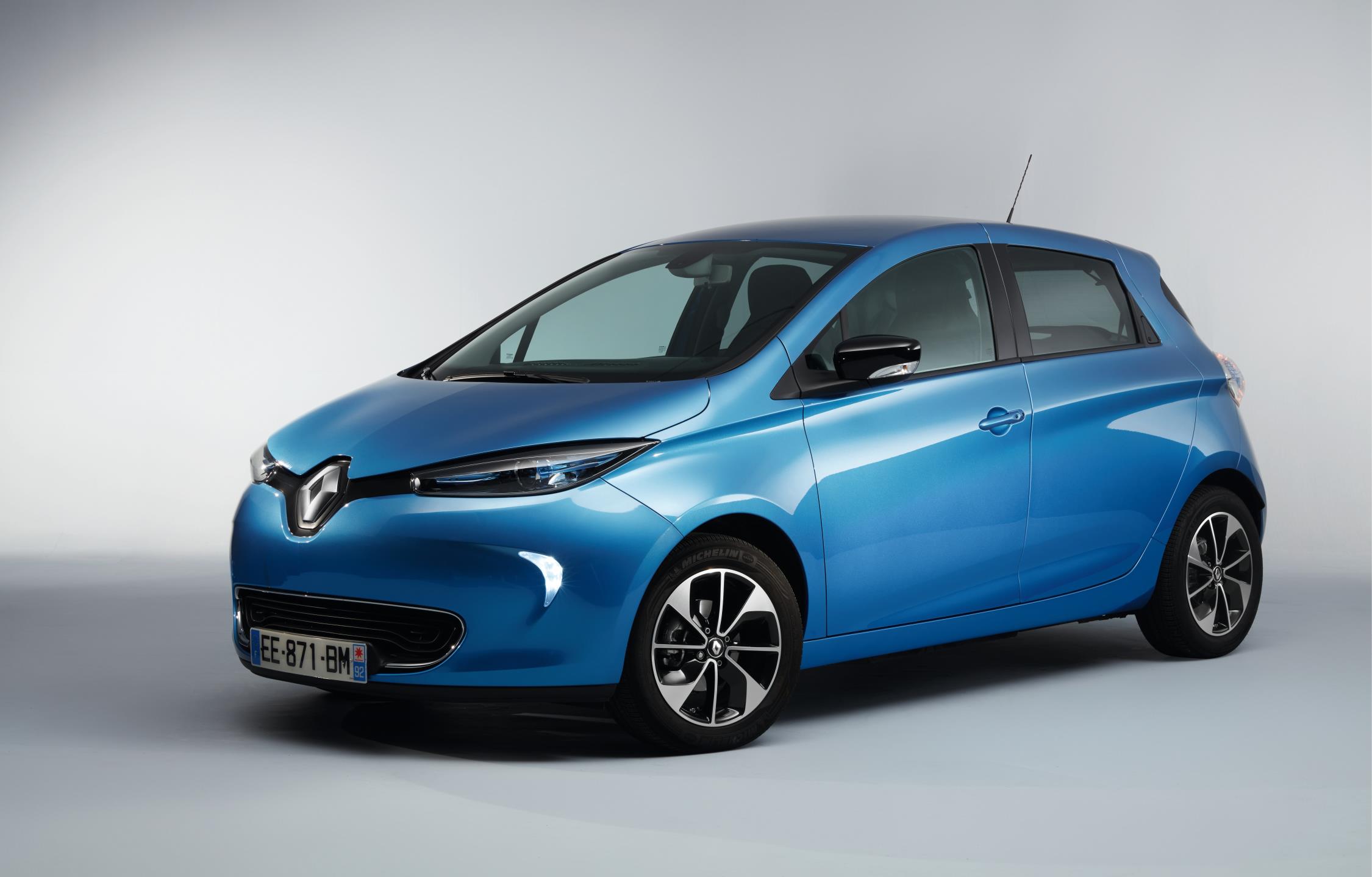
Renault ZOE
Renault ZOE

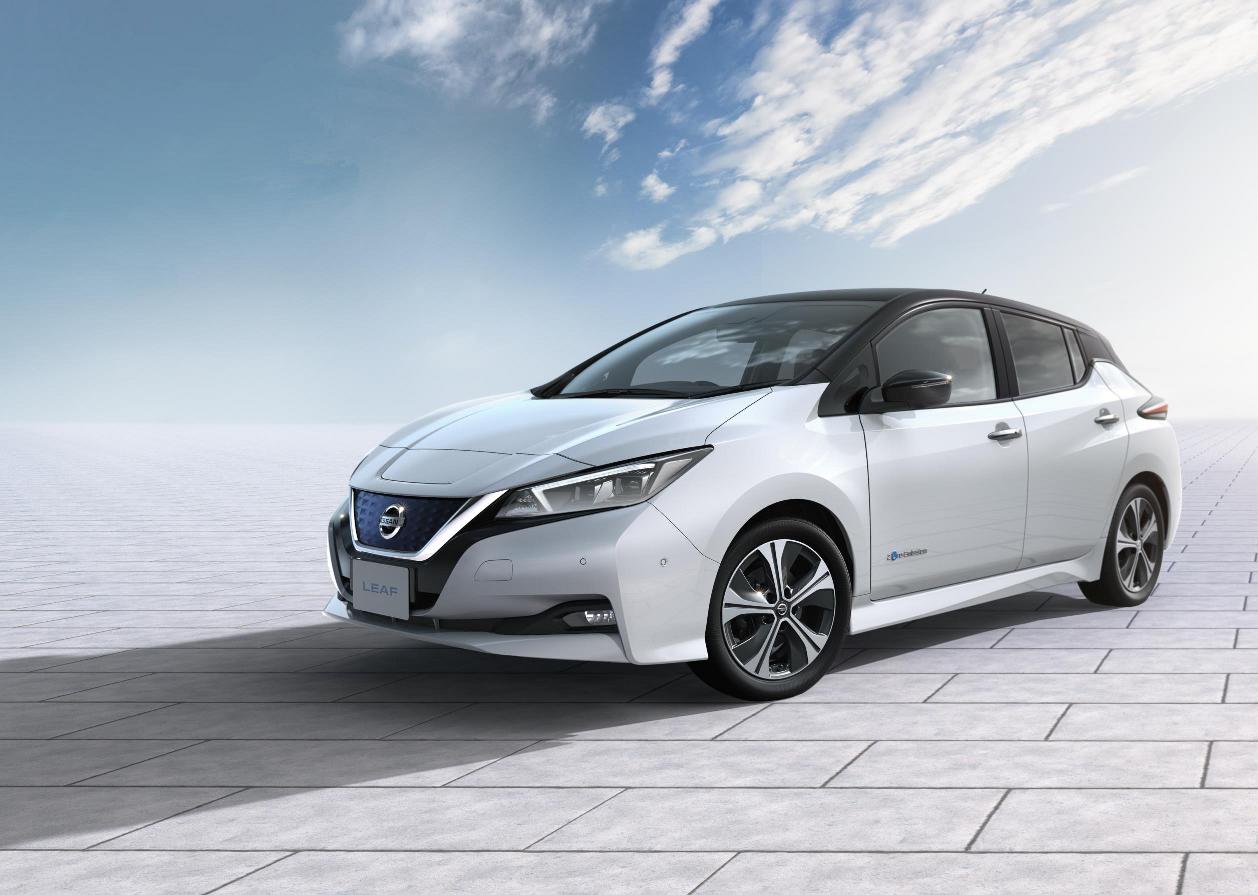
Production begins of the new Nissan LEAF in Europe

Production begins of the new Nissan LEAF in Europe

Which would you prefer to drive?

The Camelford Air Quality Action Plan Consultation

Regular readers will be aware that here at V2G UK we are concerned about the effect of internal combustion engine emissions on human health, particularly in the town of Camelford just down the road from us here in (Silic)Inny Valley. For more background please read on below the fold, but here is our urgent message of the day.

The Cornwall County Council consultation on their so called Air Quality Action Plan for Camelford closes on April 2nd 2018. If you want to have your say please complete the online questionnaire at:

http://www.cornwall.gov.uk/environment-and-planning/environmental-protection/environmental-protection-air-quality/camelford-air-quality/

at your earliest convenience by clicking the big green button towards the bottom of that page that looks like this:

Camelford-AQMA-Consultation

Continue reading →

Building a Britain Fit for the Future?

The UK’s new “Industrial Strategy” was published last week. The last time we had a good look at UK plc’s strategy was three years ago, when we concluded that “it rather sounds as though ‘Storage to Grid’ (or S2G for short) is a more likely prospect here in the United Kingdom than fully fledged V2G”. So how about this year?

The foreword by Greg Clark, Secretary of State for Business,Energy and Industrial Strategy (or BEIS for short), states that:

This Industrial Strategy deliberately strengthens the five foundations of productivity: innovation, people, infrastructure, places and the business environment.

At the very least “innovation” and “infrastructure” sound like the sort of things we get up to here at V2G UK. Here’s how Gov.UK visualises our future infrastructure:

655638110

Moving on, Greg continues:

As well as setting a path to improved productivity, our Industrial Strategy sets out four areas where Britain can lead the global technological revolution. These four Grand Challenges – in artificial intelligence and big data; clean growth; the future of mobility; and meeting the needs of an ageing society – have been identified on the advice of the our leading scientists and technologists. They will be supported by investment from the Industrial Strategy Challenge Fund and matched by commercial investment.

There’s a video explaining the ISCF:

There’s even a video summarising each of the Grand Challenges. Electric vehicles get a mention in the one about mobility:

https://youtu.be/wlqQRp5vhOU

We’ve previously touched on the Government’s new “clean growth” strategy on the V2G blog, and obviously we’re inordinately interested in the “future of mobility”, so there really should be something of interest to us in the 131 page white paper. Let’s delve a little deeper shall we? Under the “infrastructure” heading we’re told that:

Our approach is to undertake a comprehensive package of measures to promote the uptake of zero emission vehicles. We have announced a further £100m for the plug-in car grant to incentivise the purchase of battery electric vehicles, and we are committing to 25 per cent of the cars in central government department fleets being electric by 2022. We are announcing an additional £200m of public investment, to be matched by private investment, to create a new £400m Charging Infrastructure Investment Fund, and we will regulate to support further expansion of the charging infrastructure network.

That certainly sounds like very good news for our Camelford electric car club project! What’s more:

After the Grenfell Review, we will update building regulations to mandate that all new residential developments must contain the enabling cabling for charge-points in the homes. We will also provide £40m to support new technologies for on-street and wireless charging.

All of which sounds like very good news for our SaMDES project which envisages installing static battery storage and V2G charging stations in homes and small businesses across the South West of England. The news gets even better! A little further on we discover:

The zero emission road transport strategy, to be published in the coming months, and work on the options for the long-term decarbonisation of heating will build on this. They will support the growth of markets for technologies that create synergies between systems, such as energy storage, smart meters, vehicle-to-grid charging and heat networks.

Will the sweet music to our ears never stop? Not for the moment at least. Next we discover that:

We are determined to tackle air pollution and support affected areas, given the significant negative impact it has on public health, the economy and the environment. We will provide £220m for a new Clean Air Fund that will allow local authorities in England with the most challenging pollution problems to help individuals and businesses adapt as measures to improve air quality are implemented. This new fund is in addition to the £255m provided to implement the Air Quality plan earlier this year.

That sounds like more potential assistance for Camelford due to the town’s Air Quality Management Area status. Moving on once more, regular readers will be aware that we are proponents of energy efficiency. “Negawatts not Megawatts!” we cried when the predecessor to BEIS pulled the plug on zero carbon homes a couple of years ago. Will they make amends now? Unfortunately not really. There are a couple of sentences to the effect that:

In the more immediate term, energy efficiency and reforms to the retail energy market will provide the opportunity to lower bills. Up to £6bn could be saved in 2030 through investment in cost effective energy saving technologies in the industrial and commercial sector.

We will encourage greater investment in energy efficiency measures and technologies, including by developing a new scheme to support investment in industrial energy efficiency, to help large businesses install measures that will cut their energy use and bills, as we as improve their productivity.

Plus there’s:

We want to support greater collaboration between councils, a more strategic approach to planning housing and infrastructure, more innovation and high quality design in new homes and creating the right conditions for new private investment.

From where I’m sat I’m afraid that’s not a patch on “the proposed 2016 increase in on-site energy efficiency standards” that bit the dust in 2015. The white paper contains some great news if you’re into decarbonising transport, as we most certainly are. However unfortunately reducing the energy wasted by the UK’s poorly insulated housing stock, both old and new, still seems to be very much on UK plc’s back burner.

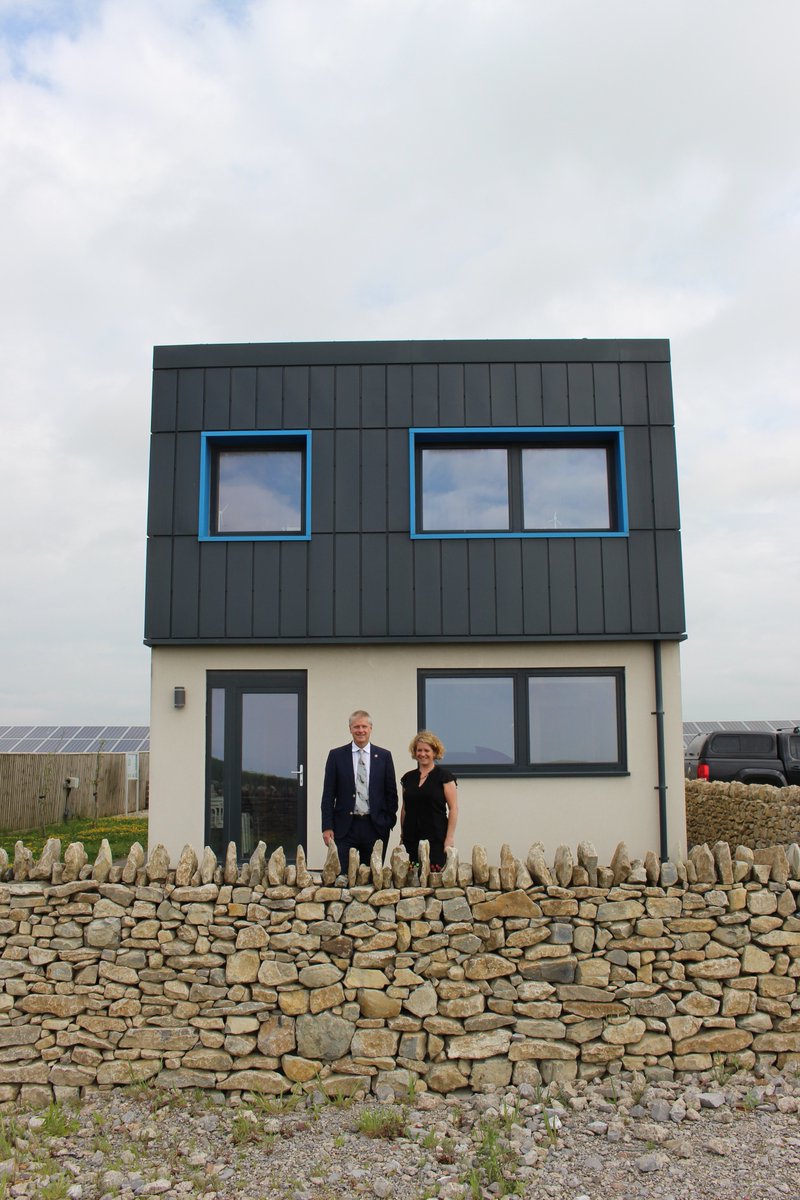
It seems as though we still have a long wait in store before homes like this will be constructed as a matter of urgency:

SOLCERHouse

An Electric Car Club for Camelford?

We think the answer to the question posed in our title for today is YES! Here’s one reason:

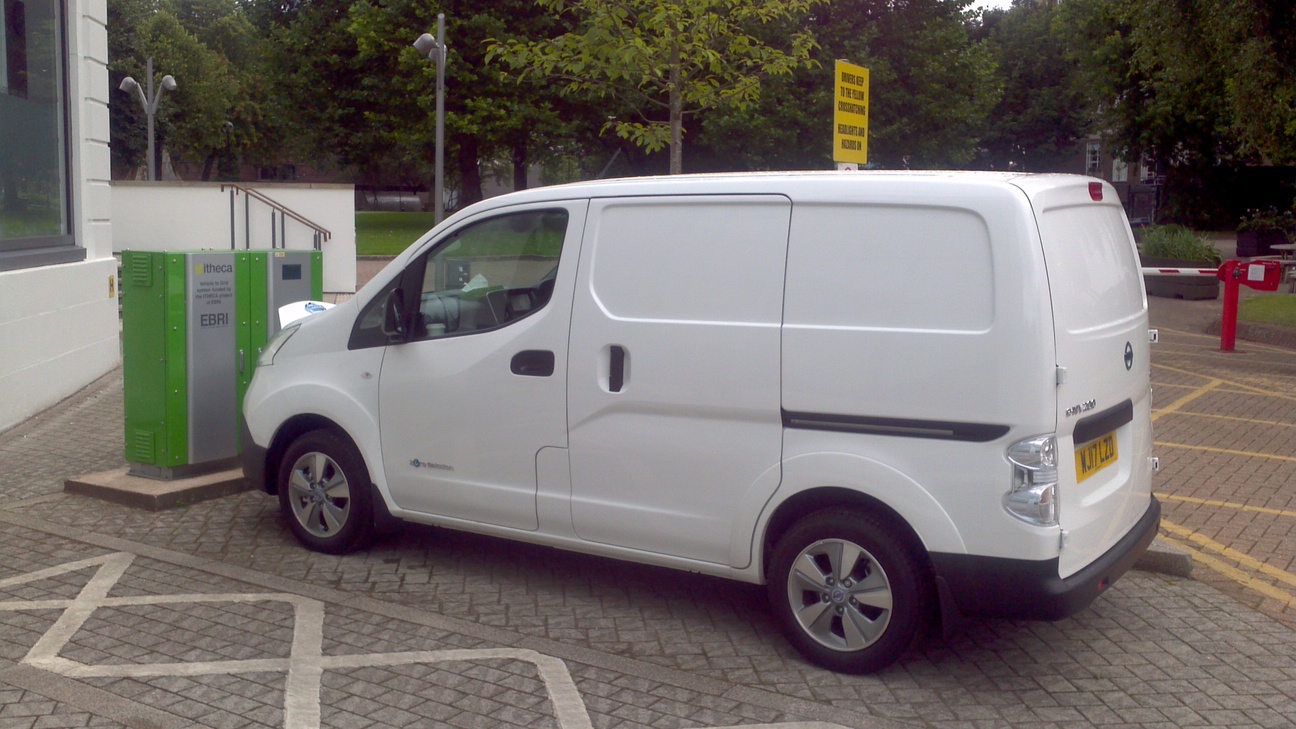
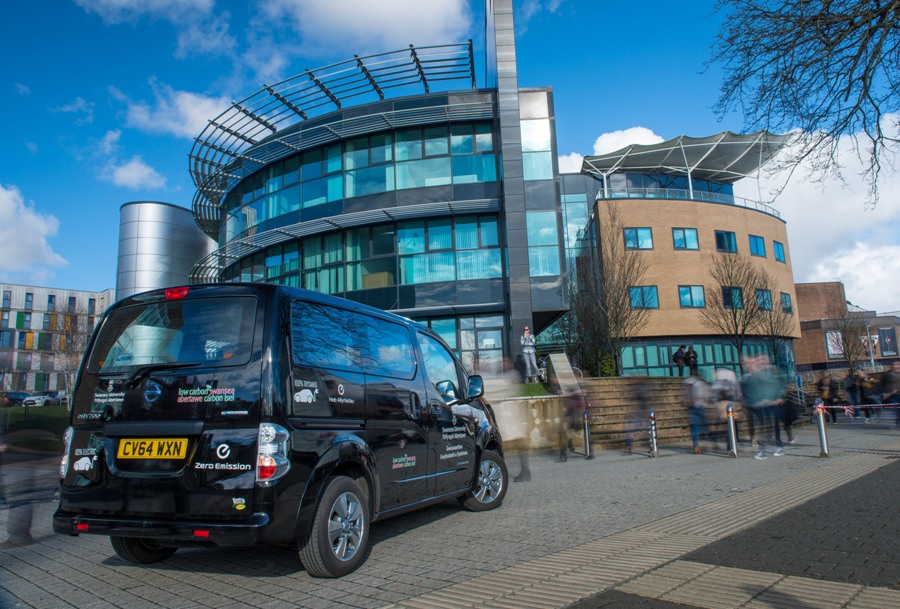
Nissan recently announced the new 2018 edition of their popular LEAF saloon, with increased range over the previous model thanks to a 40 kWh battery pack. Over the weekend a “leak” revealed that a 40 kWh version of Nissan’s e-NV200 van is on the way. That will provide a big increase in range over the e-NV200’s current 24 kWh battery pack, and make the “van” a much more realistic choice for a wide variety of small businesses. Note also that there is an MPV/taxi version of the e-NV200 known as the “Combi”, which I have taken a ride in over the North Sea in the Netherlands:

2015-06-09_11-46-07_453

That means we’re really talking about an electric vehicle club, not a mere “car” club. That’s one way of implementing the concept known as “Mobility as a Service” (or MaaS for short).

Here’s another very good reason to try and put more electric vehicles on the streets of Camelford:

Earlier this year Camelford was declared an Air Quality Management Area (AQMA for short). According to the Town Council web site:

Cllr Claire Hewlett… said “I’m very pleased that Camelford has now been declared an air quality management area, as it means that Cornwall Council and Defra have offically acknowledged we have an air quality problem. The Clean Air Group have been working closely with Cornwall Council’s environmental protection team to get this far. Talking to people in town today, everyone is excited that something might actually happen.”

As part of the consultation, the council asked for residents and businesses to convey their ideas for improving air quality, and some of these will be investigated as part of a range of options before the final plan is published.

Now electric vehicles improve air quality in town and city centres by reducing nitrogen oxide emissions and particulates from exhaust pipes and brake dust, so here’s our idea.

Apart from improving air quality an electric vehicle club in Camelford would also reduce the number of cars sitting unused in garages and car parks for much of the time. One car club vehicle can result in 10-20 private cars being taken off the road. If you don’t possess a car you’re more likely to indulge in healthier alternatives such as walking or cycling for short journeys. In rural areas with poor public transport car clubs allow people who could never afford a car of their own to make occasional longer trips they would otherwise be unable to, except perhaps by taxi. For more on the benefits of car clubs see:

Obviously a few extra EVs in and around Camelford won’t initially result in a vast improvement in air quality if lots of diesel engines keep running whilst queueing along the A39, but you have to start somewhere! The same principle applies to charging infrastructure. Camelford has the advantage of already possessing a rapid charging point in the Churchfields car park, but additional lower power EV charging points would need to be installed. If that could be achieved then a 100% electric car club would allow people to experiment with driving an electric vehicle at very little cost, and thereby discover the many benefits of EVs for themselves. Assuming that hurdle can be overcome we’d like to perform a consultation of our own.

Please take our short survey and let us know your opinion about which sort of vehicle should be the first one to be made available to Camelford residents:

[yop_poll id=”1″]


Here are those options in more detail:

smart fortwo:

Smart-e42

Renault ZOE:

Nissan LEAF:

BMW i3:

Mitsubishi Outlander PHEV 4×4:

Nissan e-NV200 Van:

Nissan e-NV200 Combi:

Please also feel free to elaborate on the reason for your selection in the space provided for that purpose below.