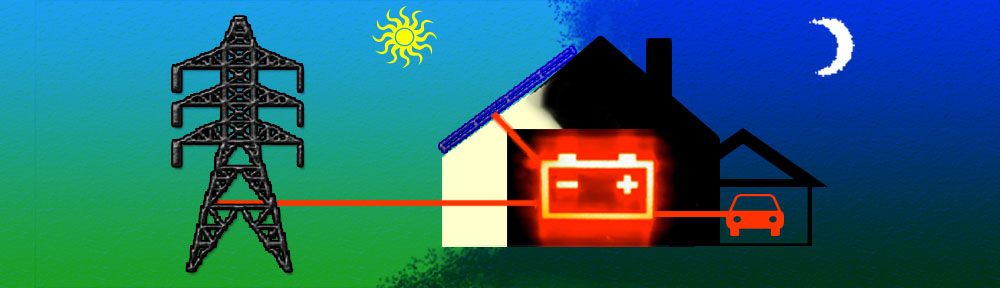
UK Government Consultation on EV Charging Infrastructure

Earlier this year the OECD’s chief Economist recommended “fiscal stimulus and investment in infrastructure”. Perhaps Theresa May was listening? I ponder that point because earlier this week the Department for Transport unveiled their “Plans for more charging stations to encourage low emission vehicles”. According to the accompanying press release:

As part of our ongoing commitment to making transport greener and improving air quality, the Department for Transport is consulting on a series of measures that will make chargepoints more accessible, making it easier for drivers to recharge as demand for low emission vehicles increases. The measures are due to be included in the Modern Transport Bill.

The government has pledged more than £600 million over this parliament to further boost the ultra low emission vehicle market, which is going from strength to strength after the number of new ultra low emission vehicles registered rose by 250% in just 2 years.

According to Chris Grayling, the United Kingdom’s new Secretary of State for Transport:

  • We are committed to making transport cleaner and giving even more drivers the option of using a low emission vehicle as we strive to improve air quality across the country.
  • Our ambition is for nearly all new cars and vans to be zero emission by 2040, and we are taking real steps to achieve this in the Modern Transport Bill. We now want to hear the views of businesses and the wider public.

That final bullet point is addressed by an announcement from the Office for Low Emission Vehicles:

This consultation seeks views on measures to support the uptake of ultra low emission vehicles (ULEVs), proposed for inclusion in the Modern Transport Bill.

The proposed measures relate to refueling and recharging infrastructure for ULEVs and focus specifically on:

  • the consumer experience of infrastructure
  • smart charging – infrastructure and the electricity system
  • the provision of infrastructure

The consultation closes at 11:45 PM on November 23rd 2016, so if you have strong views on the UK’s EV charging infrastructure in general or “smart charging” in particular now is the time to start putting your thoughts on virtual paper before sending them to Chris Grayling.

Perhaps I’ll have to precis this blog for him, since the consultation document itself summarises the proposed measures in the Modern Transport Bill as follows:

Consumer experience of infrastructure

a) Power to require operators of publicly accessible chargepoints and hydrogen refuelling stations, and networks, to provide data in an open source format on the geographical location and live availability of charging and refuelling infrastructure

b) Power to require operators of publicly accessible chargepoints and hydrogen refuelling stations, and networks, to ensure consumers can use them without the need for multiple memberships

c) Power to require operators of publicly accessible chargepoints and hydrogen refuelling stations, and networks, to publish transparent and comparable pricing information

d) Power to specify minimum standards of design and functionality for new publicly accessible chargepoints and hydrogen refuelling stations and networks

Smart charging – Infrastructure and the electricity system

e) Power to require infrastructure installed for the purposes of charging EVs to have ‘smart’ functionality to receive, understand and respond to signals sent by energy system participants (e.g. Distribution Network Operators (DNOs), energy suppliers, National Grid or other third parties) for the purposes of balancing energy supply and demand, and to require any technological functionality in EVs necessary to ensure ‘smart’ functionality

f) Power to require that technical standards used by operators of chargepoints and networks comply with the requirements set out in these measures are available and implemented on an open access basis. This includes making publicly accessible the necessary protocols to allow the charging infrastructure to communicate, understand and respond to signals or grid balancing

Provision of infrastructure

g) Power to require that operators of motorway service areas (MSAs) ensure a minimum provision of electric and hydrogen fuels for ULEVs at MSAs

h) Power to require a minimum provision of electric and hydrogen fuels for ULEVs at large fuel retailers

i) Power to franchise hydrogen refuelling

I’m sure Chris will be interested to discover more about “technical standards used by operators of chargepoints and networks… implemented on an open access basis”. Perhaps he’d like to learn more about vehicle-to-grid technology too?
Will the United Kingdom Become an Electric Nation?

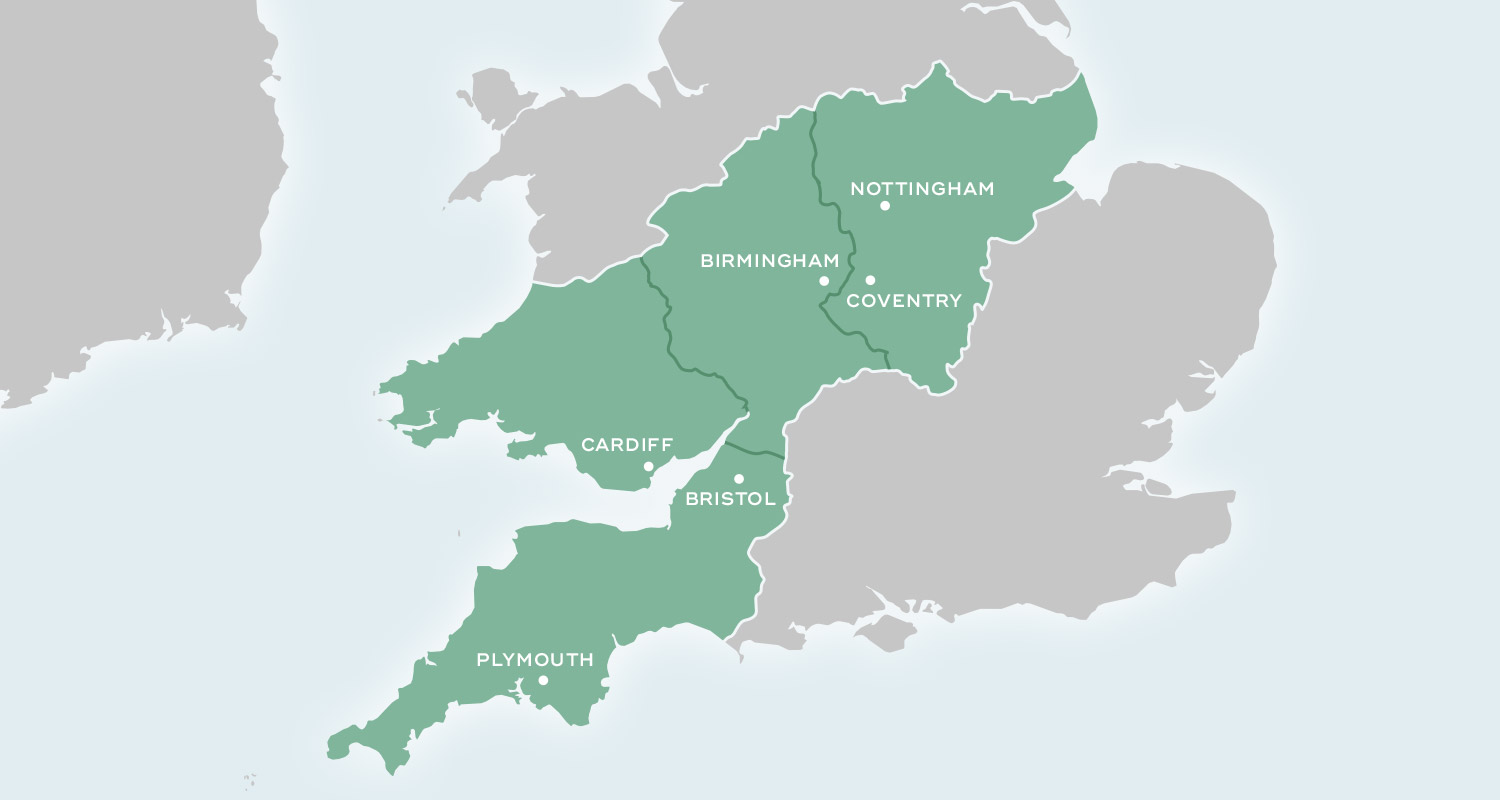
Electric Nation is an OFGEM funded electric vehicle “smart charging” trial project which:

Aims to provide local electricity network operators with the tools to be able to ensure that their networks can cope with [the] massive new challenge [of local electricity networks becoming overloaded], whilst avoiding replacing cables and substations.

The always entertaining Bobby Llewellyn explains the problem with a little help from Roger Hey, Future Networks Manager of Western Power Distribution:

As Roger puts it:

The more cars that you put in a single area, the more stress that you’re going to put on. The network was never really designed to have so many things all in one place. It was designed for powering people’s homes, for cooking. It wasn’t originally designed for transportation fuel as well!

Carl Sanderson of BMW UK adds:

What happens when, let’s say, 25% of the motoring public are plugging in their car at a similar time? Are we going to see massive blackouts? Are the lights going to go out? I think it’s a key point that needs addressing.

Andy Eastlake of the Low Carbon Vehicle Partnership suggests a solution:

One of the challenges is energy storage, and if we’re putting a huge energy storage capability into the cars can we use that to balance the grid?

To which Bobby responds:

So what you’re talking about then is very much vehicle-to-grid, [energy] going both ways, communicating smartly, the whole development of that technology?

Andy outlines the case for “smart charging” instead of full blown V2G, but adds:

There’s a problem with electricity tariffs. We’re not allowed to have lots and lots of electricity tariffs because the perception was the market will be too complex, so that’s one of the things holding back electricity supply companies in delivering creative tariffs.

Ben Godfrey, also from WPD, tells Bobby something he didn’t already know:

Effectively for every EV we connect to the network, it’s adding an extra house.

and points out that:

The interesting thing about vehicles as well is that they follow where people go. People move from town centres in the day, which is where we have the big load, to domestic places in the evening which also mirrors the load on the electricity network. If we could use the storage built into the vehicles to move that power from cities out into domestic areas then that would replace the need for us to put in extra cables which is going to cause disruption to the network.

If we can harness vehicle-to-grid then that can save us from building any extra cables, digging up roads and causing lots of disruption.

Bobby adds:

And potentially from building new power stations. You could time shift that power to a certain extent.

All in all a remarkable good advertisement for full blown V2G at the launch of a “smart charging” trial! First things first though. Is your home currently connected to Western Power Distribution’s network?

If so and if you have or are getting an electric vehicle and if you haven’t yet taken advantage of the UK Government’s home charger grant you may well be interested in finding out more about the Electric Nation trial:

Electric Nation is seeking to recruit over 500 electric vehicle (EV) owners (including pure electric and plug-in hybrids) to take part in the largest trial of its kind. Participants will charge their cars at home using a smart charger which can manage when and how their vehicle battery charges. The findings of the trial will help electricity network operators to manage the effect of the additional load caused by charging EVs on the local electricity network. This is essential for the security of electricity networks in the future and the decarbonisation of the transport sector which is responsible for approximately 21% of the UK’s greenhouse gas emissions.

Renault Launches New ZOE With “250 mile” Range

At the recent Paris Motor Show Carlos Ghosn, Chairman and CEO of Groupe Renault, announced that:

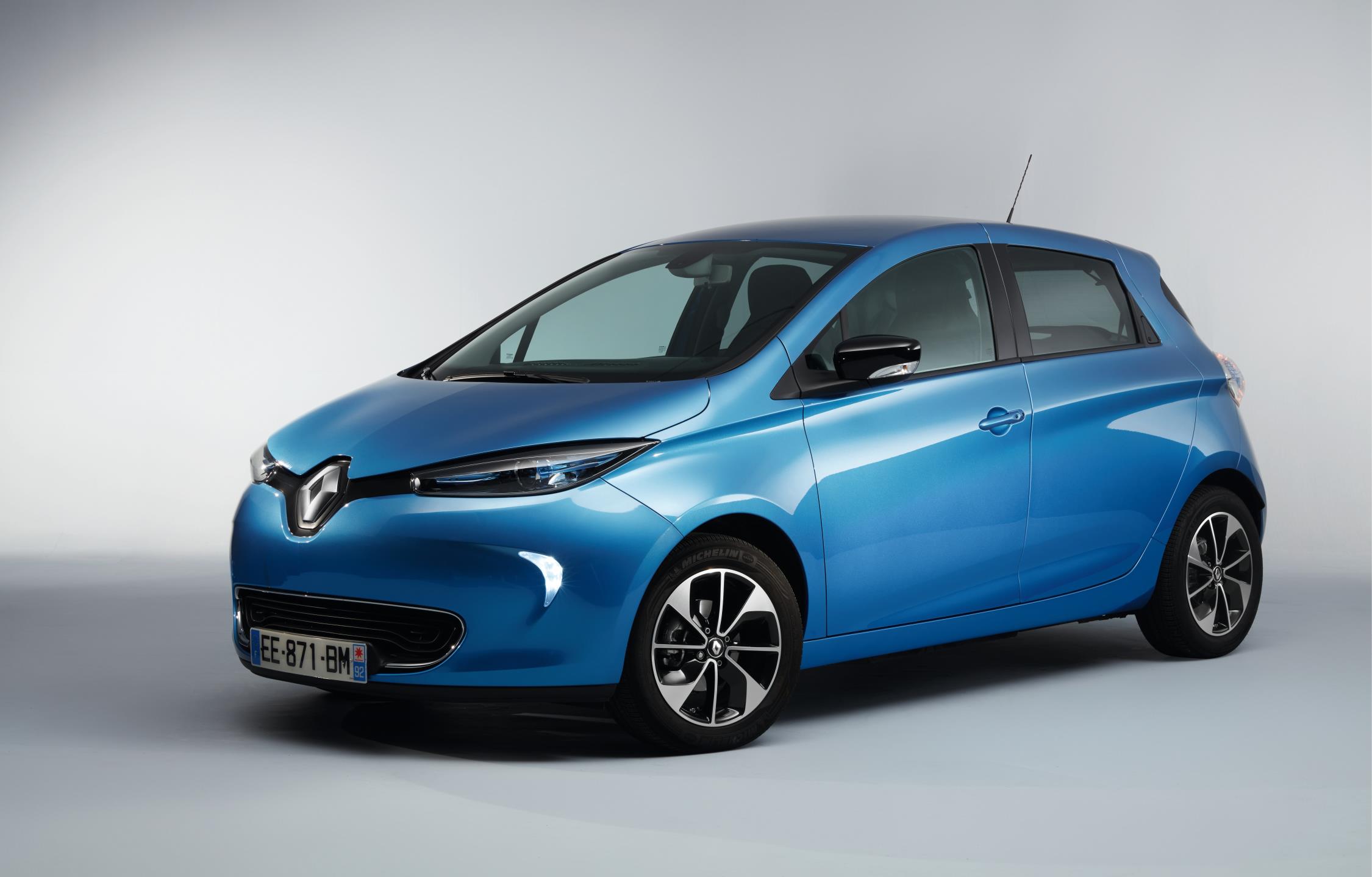
This month Renault surpassed 100,000 electric vehicles sold and now ZOE will travel up to 250 miles (400km) without recharging.

Over the past twelve months both Nissan and BMW have made similar announcements, but neither claimed as many miles as Renault. Eric Feunteun, Vice President of Renault’s electric vehicle programme, added that:

Renault has added a new dimension to the world of electric vehicles now that the ZOE’s range stands at 250 miles (400km) NEDC. It’s a breakthrough in all-electric motoring that will provide the range needed to make any motorist comfortable choosing electric.

Renault’s press release adds that:

In real-world driving, Renault estimates the new Z.E. 40 battery has a range of 186 miles (300km) in urban or suburban areas.

The range offered today by the new ZOE is the longest of any mainstream all-electric vehicle and motorists can take advantage of this step forward now. The ZOE is the best-selling electric vehicle in Europe and provides a real alternative to internal combustion- engine cars, since average daily commuting distances are well within the ZOE’s capabilities.

The new battery removes the final psychological barrier that stands in the way of buying an electric car, so-call ‘range anxiety’, since ZOE users can now travel further and enjoy a wider variety of driving situations without worry about charging.

Not exactly a range of 250 miles in “real life” driving then! We would of course like to test the range of the new ZOE for ourselves, but at the moment our local Renault dealer could only promise that they will be taking orders in November for delivery in January 2017. When a demonstrator might become available is, unfortunately, still unknown. Whilst we all wait for a test drive, here’s a video!