The Electric Vehicles (Smart Charge Points) Regulations 2021

I’ve spent a busy few days covering the power cuts caused across the UK by Storm Arwen. Before she arrived on the scene I intended to go into more detail about Boris Johnson’s announcement last week about “New laws to supercharge the electric vehicle revolution”. Finally the time has come to look at some of those new laws in a bit more detail!

According to the preamble to “The Electric Vehicles (Smart Charge Points) Regulations 2021“, currently merely a “Draft Statutory Instrument”:

The Secretary of State, in exercise of the powers conferred by sections 15, 16, 17 and 18 of the Automated and Electric Vehicles Act 2018(1) (“the 2018 Act”), makes the following Regulations.

In accordance with section 18(4) of the 2018 Act, a draft of this instrument has been laid before Parliament and approved by a resolution of each House of Parliament.

The Secretary of State has consulted such persons as the Secretary of State considered appropriate in accordance with section 18(3) of the 2018 Act before making these Regulations.

PART 1
Introduction

Citation, commencement and extent
1.—(1) These Regulations may be cited as the Electric Vehicles (Smart Charge Points) Regulations 2021 and come into force on 30th June 2022.
(2) These Regulations extend to England and Wales and Scotland.

To summarise, if duly enacted by Parliament the following interesting extracts from the bill will come into force on 30th June 2022. Which is approximately 7 months from now:

Continue reading →

Electric Vehicles as “Energy Smart Appliances”

The British Standards Institution has just published a new “specification”, and unlike most BSI “standards” this one is free to download, as long as you don’t mind parting with an email address. As the download page puts it:

BSI is working with the UK Government to encourage the uptake of safe, secure and interoperable Energy Smart Appliances (ESAs). These are needed for the active management of demand on the electricity network, known as Demand Side Response (DSR). PAS 1878 is a critical component in this because it details the requirements and criteria necessary to make an energy smart appliance compatible with DSR activities.

At this point you may have a couple of question, such as “What on Earth is a PAS?”. The BSI have a ready answer for that question:

A PAS (Publicly Available Specification) is a fast-track standardization document – the result of an expert consulting service from BSI. It defines good practice for a product, service or process. It’s a powerful way to establish the integrity of an innovation or approach.

The next obvious question is “What has this got to do with electric vehicles and/or vehicle-to-grid technology?”. The answer to which is that a “smart” EV charging station is a special case of an interoperable Energy Smart Appliance. As the foreword to PAS 1878 states:

Continue reading →

Honda and Moixa Announce V2G Pilot Project

According to a Honda press release yesterday:

Honda is installing five bi-directional electric vehicle charging points at Islington Town Hall in London, in partnership with smart charging specialists, Moixa. The initiative will help Islington Council electrify its entire vehicle fleet; part of its efforts to achieve net-zero emissions by 2030.

This is the first project resulting from the collaboration between Honda and Moixa, which was announced at Geneva Motor Show in 2019. The strategic partnership forms a significant part of Honda’s Electric Vision strategy to deliver industry-leading innovation through a portfolio of energy management products and services in Europe.

The bi-directional vehicle-to-grid (V2G) chargers incorporate Moixa’s GridShare smart software, which optimises EV battery charging when grid power is cheapest and cleanest. The software can also aggregate groups of plugged-in EVs to provide battery power to the grid when it is most expensive and carbon intensive. When EVs are plugged in to all the chargers, the smart technology can provide enough energy to power the base load of Islington Town Hall.

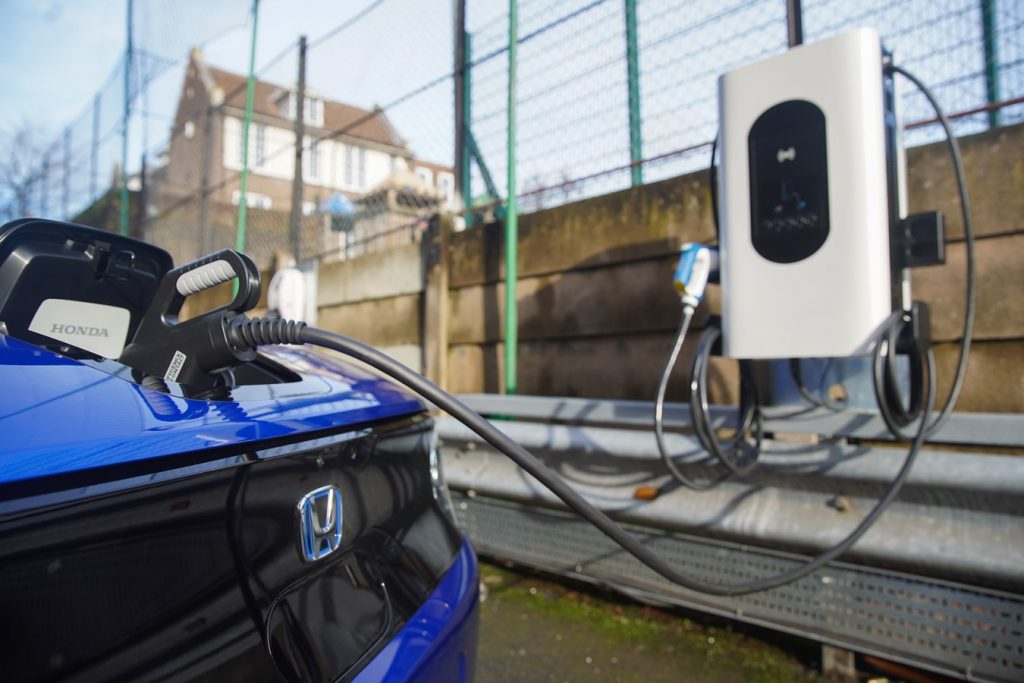
The press release was accompanied by an image showing a CCS connector plugged into the front of an anonymous vehicle with a Honda badge:

However a Moixa press release about the Islington project had a somewhat different emphasis:

At Moixa, we’ve hit the ground running in 2020, unveiling a new smart EV charging project to optimise Islington Council’s fleet at the town hall. This is an exciting first step in our partnership with Honda, to deploy smart EV charging and management solutions across Europe.

We’re working with Honda to support Islington Council achieve its ultra-low emissions zone (ULEZ) standard across its fleet of 500+ vehicles. The council’s goal is to electrify its entire fleet, cutting 1,400 tonnes of dangerous carbon dioxide (CO2) emissions every year. This project will reduce harmful air pollution, save money for essential services and help Islington achieve its 2030 net-zero carbon emissions target.

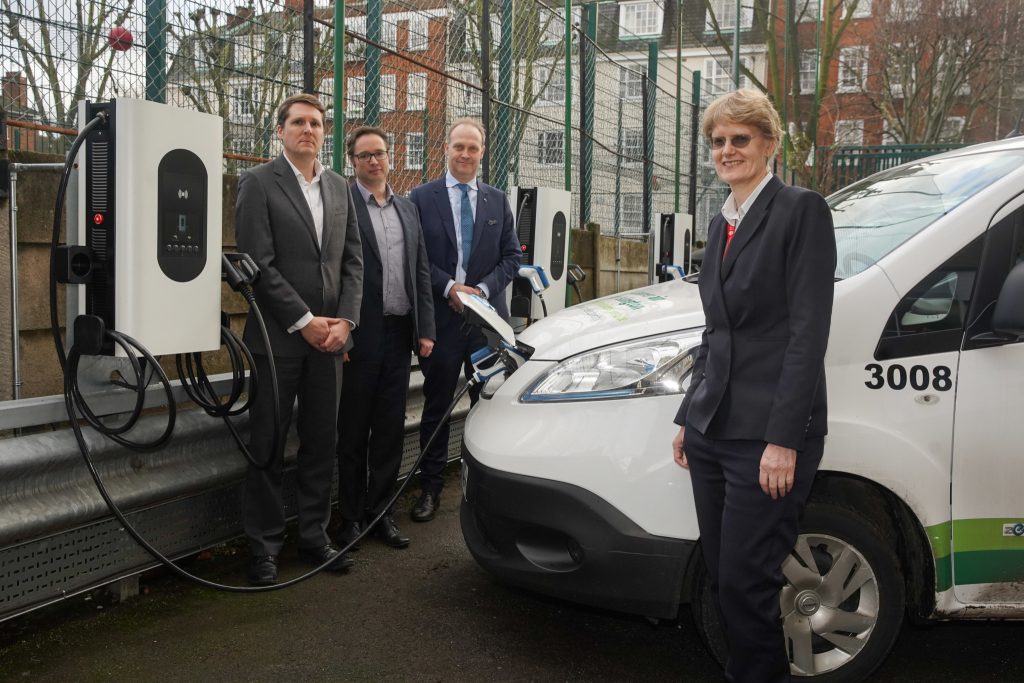
and a rather different image:

That looks suspiciously like a CHAdeMO connector plugged into the front of a Nissan e-NV200 van, with Simon Daniel and Chris Wright from Moixa looking on in the background!

According to Chris, who is Moixa’s Chief Technology Officer:

The EV revolution will put millions of ‘batteries on wheels’ on our roads in the next decade. By using AI-driven charging technology, we can intelligently manage these fleets of batteries, securing lowest-cost charging and highest-impact carbon savings. Our project with Honda and Islington shows what is possible and provides a blueprint for all large organisations to follow.

Whilst according to Honda Motor Europe’s Project Leader of Energy Management,
Jørgen Pluym:

As the shift towards electrification accelerates, we must continue to innovate with projects like these – helping to drive awareness and uptake of charging solutions and advanced vehicle-to-grid technologies. Honda is committed to promoting sustainable future energy management in Europe, and this project in Islington represents an important part of our vision for future energy solutions.

It looks to me as if Islington Council already possesses one or more Nissan e-NV200’s, but I suspect they will have to wait quite a while for a V2G enabled Honda, especially if it’s vans that they’re after!

Octopus and Ohme Announce a Smart Cable

This is a piece of electric vehicle smart charging (V1G for short) news rather than directly related to vehicle-to-grid technology. It is extremely interesting nonetheless. In a press release this morning it was announced that:

Octopus Energy and Ohme are today announcing a partnership to offer Octopus Energy customers the chance to have smart charging at home – enabling them to charge any electric car when Octopus’s green electricity is cheapest.

By integrating with Agile Octopus, the UK’s only smart time-of-use tariff, the Ohme cable and app brings smart charging to any home.

Here’s the image of Ohme’s new “smart cable” that accompanied the press release:

OHME_cable_launch

The press release continues:

Once the cable is connected, the driver can just open up the app and enter the amount they would like to charge their car and by when, and then let Ohme manage it for them. For example: “On weekdays, charge my car battery to 100% by 7am”. Ohme then uses the Octopus Agile API to automatically deliver the right amount of electricity when it is cheapest.

By optimising their charging in this smart way, Octopus Energy and Ohme estimate that customers using Ohme in parallel with the Agile Octopus tariff could save around £300 per year on their charging costs in comparison to charging on a typical industry standard variable tariff.

The cable will cost £399, but the first 1,000 Octopus Energy customers get a special launch price of £199.

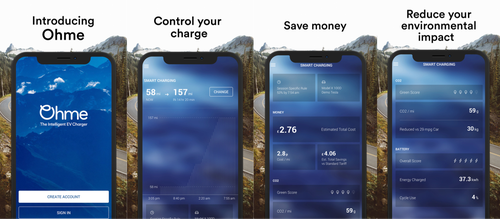
The Ohme cable is available for pre-order on the Octopus Energy web site. Whilst we wait for them to start shipping the new product, here’s an image of the Ohme app in action:

OHME_app_launch

According to Ohme’s CEO, David Watson:

At Ohme we believe the future of transport is electric and that flexible home charging is the key to mass adoption. Ohme’s innovative smart charging cable is the first App-controlled, intelligent EV charger, that combined with Octopus’ smart energy tariffs, delivers real savings and environmental benefits. All you need to do is plug in and let Ohme do the rest.

I cannot help but think that the likes of Wallbox might well quibble with David’s “first app-controlled, intelligent EV charger” remark? The press release didn’t include a telephone number, but we’ll let you know Ohme’s thoughts on the matter when we manage to get hold of them.


[Edit – March 30th]

After desperately doing my due diligence I eventually managed to have a long chat with Ohme’s technical guru, Dan Hollingworth, yesterday evening. As I strongly suspected, the Ohme “smart cable” isn’t actually that smart, by V2G UK’s standards at least. It contains a microprocessor and a 4G modem, not unlike our sister company V2G EVSE’s “smart controller” except that it doesn’t optionally do WiFi, Bluetooth, 2.5 G, 3G, LTE-M and NB-IoT as well.

Ohme’s device doesn’t determine the electric vehicle (EV for short) battery pack’s state of charge by communicating with the EV through the cable. Instead it finds out that useful piece of information by using its 4G modem to communicate with assorted EV original equipment manufacturer’s (OEM for short) cloud platforms, which in turn communicate wirelessly with the EV the Ohme’s cable is plugged into using proprietary protocols.

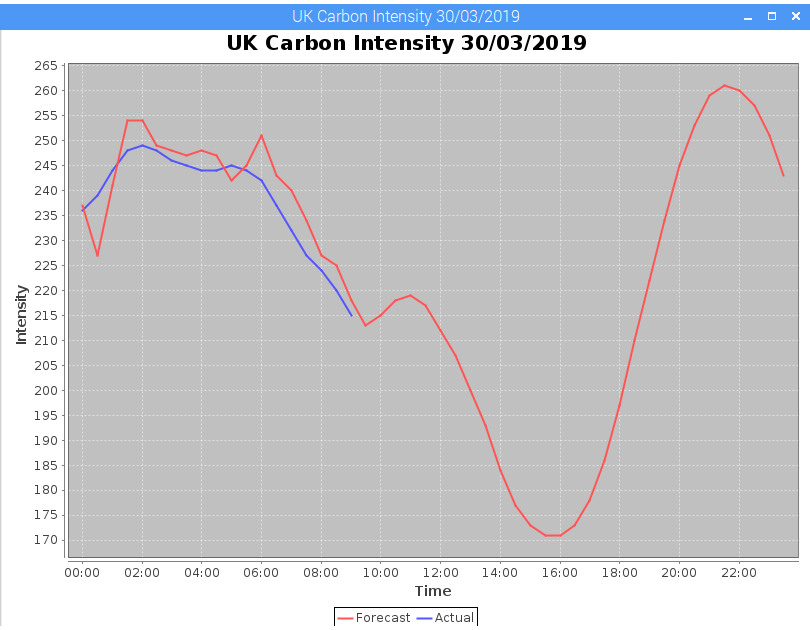
Ohme’s cloud platform is somewhat smarter since it communicates with National Grid’s Application Programming Interface (API for short) to forecast the “carbon intensity” of the UK Grid and thus determine the “greenness” of the electricity used to charge the EV to which the “smart cable” is attached. Here’s the current output of our open source example of how to go about doing that, generated by the V2G EVSE smart controller:

Screenshot from 2019-03-30 10-05-54

Ohme’s cloud platform also determines the price of electricity on Octopus Energy’s Agile or Go tariffs by communicating with the Octopus Energy API

Ohme’s smartphone application (app for short) allows the EV’s owner to instruct Ohme’s cloud based platform how much charge they’d like in their EV battery pack by when. On the basis of all the information Ohme’s cloud based platform has acquired it then uses version 1.6 of the Open Charge Point Protocol (OCPP for short) to instruct the cable when and how fast to charge the EV it’s connected to. In case it’s of interest here’s our open source smart charging station simulator, based on a mildly modified clone of Thomas Volden’s OCPP 1.6 library over on GitHub:

https://github.com/V2G-Ltd/OCPP-1.6-EVSE-Demo

Does that all make perfect sense now?

Renault Starts V2G Charging Pilot Project in Utrecht

In a press release earlier today Renault announced:

Groupe Renault, the European leader in electric vehicles, is beginning the first large-scale pilot schemes in reversible electric charging. Our alternating-current technology has the particularity of placing the reversible charger inside vehicles, so it just requires a simple, inexpensive adaptation of the existing charging terminals.

A fleet of fifteen Zoe vehicles with vehicle-to-grid charging will be introduced in Europe over the course of 2019 to develop our future offerings in reversible charging and lay the groundwork for the future standards —with our partners’ help. These pilot schemes will begin today in Utrecht (the Netherlands) in an ecosystem developed by We Drive Solar and on Porto Santo Island (in the archipelago of Madeira, Portugal) with Empresa de Electricidade da Madeira, an energy supplier. Following these, more pilot schemes will be introduced in France, Germany, Switzerland, Sweden and Denmark.

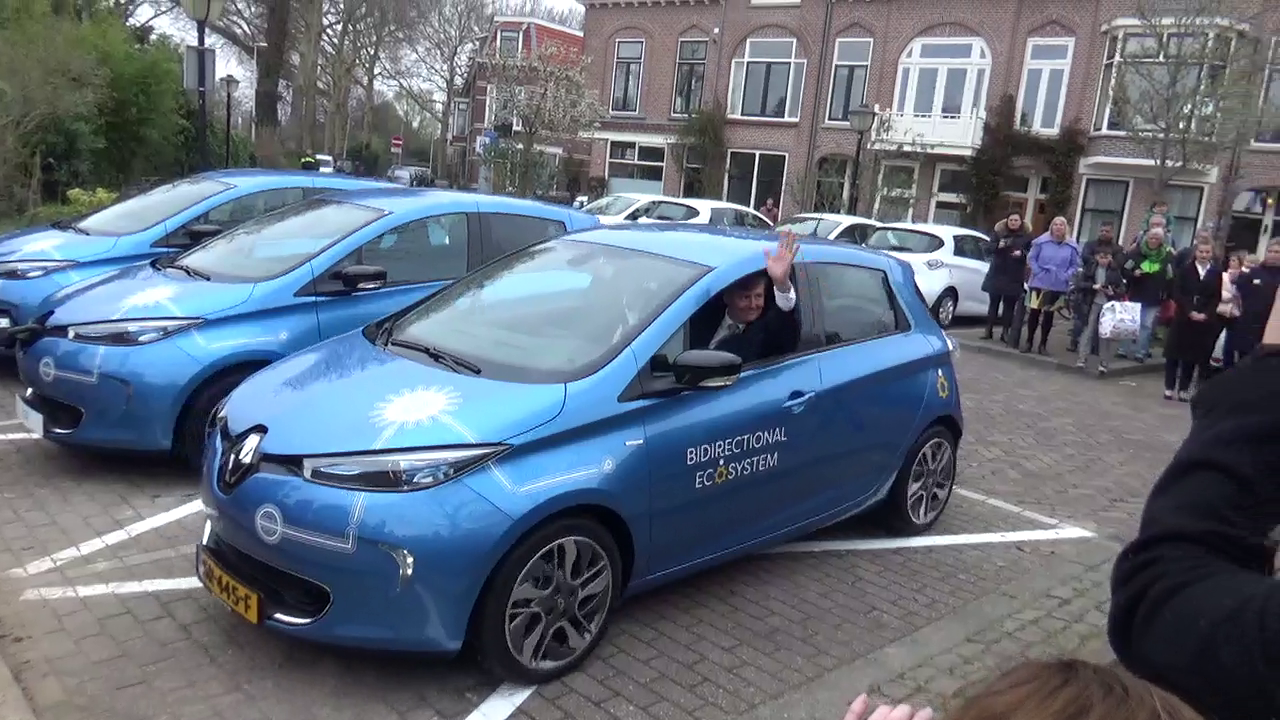
It looks like we’ll have to (metaphorically of course) twist someone’s arm at Renault to let us try one or more of their modified Zoes with AC V2G capability! I was at the launch in Utrecht today and spoke to a variety of representatives from Renault Netherlands and Renault France, who by and large seemed amenable to the idea of a suitably funded UK pilot project. Renault’s press release was of course accompanied by a variety of images. However I took lots of pictures of my own, and a fair few videos too. Here’s the three Zoes that were lined up in Utrecht today:

DSC_0194

and here’s King Willem-Alexander of the Netherlands driving away in one of them, accompanied by Robin Berg of We Drive Solar:

vlcsnap-2019-03-21-18h30m55s189

Here too is a video recording of some of the excellent entertainment at the event, provided by the Hillsback Brassband:

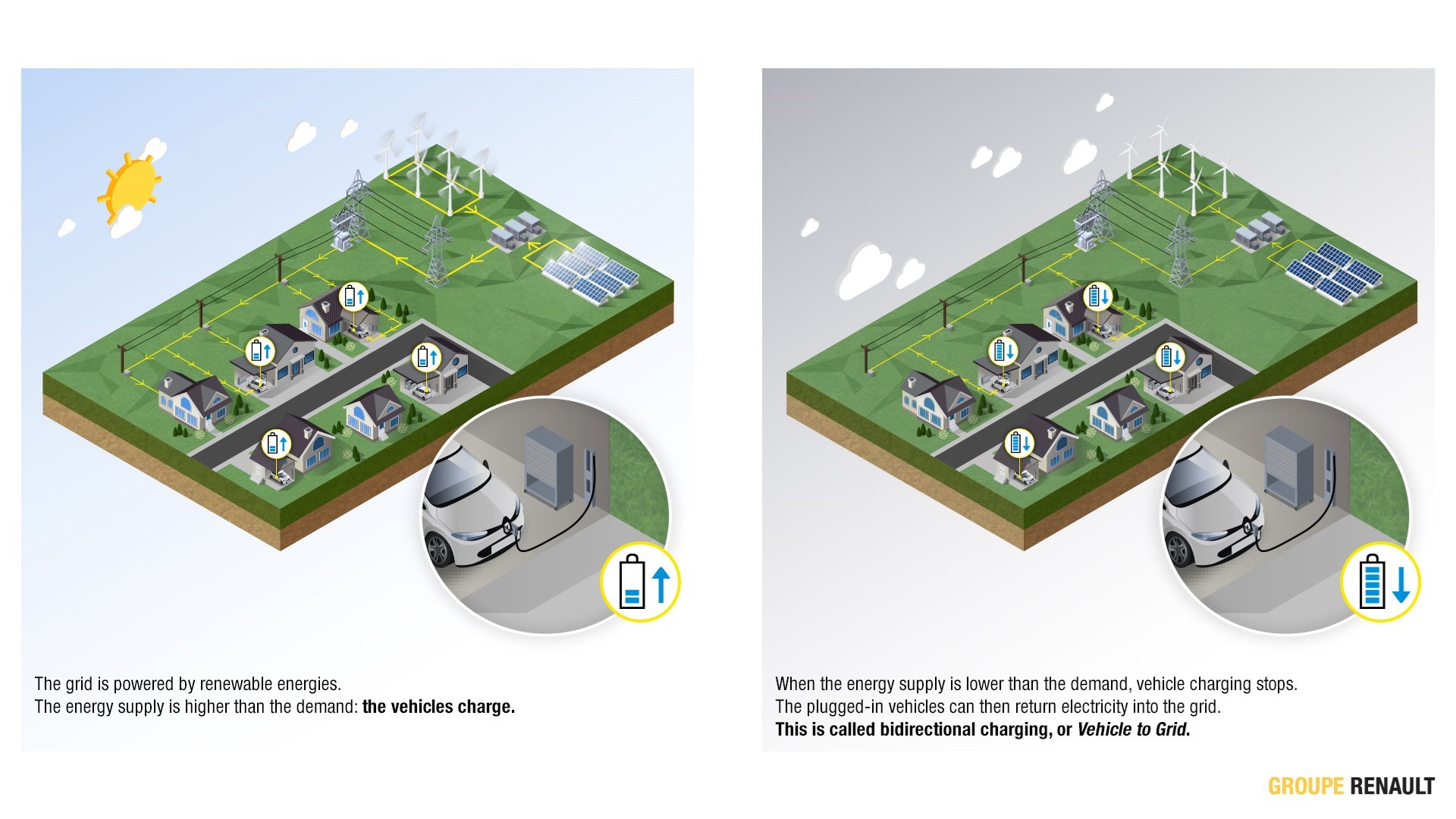
Invigorated by the brilliant brass section here’s one of the press release infographics that I couldn’t snap for myself. Renault’s visualisation of vehicle-to-grid technology in action:

2019 - Recharge bidirectionnelle

2019 – Recharge bidirectionnelle

Charging during the day on the left. Discharging during the night on the right. Much like our very own V2G UK banner above! Renault’s press release continues:

Vehicle-to-grid charging — also called reversible charging — modulates the charging and discharging of electric-vehicle batteries in accordance with users’ needs and the grid’s supply of available electricity. Charging reaches its maximum level when the electricity supply exceeds demand, notably during peaks in production of renewable energy. But vehicles are also capable of injecting electricity into the grid during peaks in consumption. Electric vehicles can therefore serve units of temporary energy storage and become key drivers in the development of renewable energy. In this way, the electricity grid optimizes the supply of local renewable energy and reduces infrastructure costs. At the same time, customers enjoy greener, more economical consumption of electricity and are financially rewarded for serving the electricity grid.

Reversible charging will be piloted in several projects (electric ecosystems or mobility services) through seven countries and alongside various partners to lay the groundwork for Groupe Renault’s future offering. The aim is twofold: to measure large-scale feasibility and potential gains. In particular, these pilot schemes will help us:

  • Underline the technical and economic advantages of an onboard solution in electric vehicles
  • Demonstrate—in concrete terms—the value of services provided for the local and national electricity grid, such as encouraging consumption of solar and wind energy, checking the grid’s frequency or tension, and reducing infrastructure costs
  • Work on the regulatory frameworks of a mobile energy-storage scheme, detecting any pitfalls in it and offering concrete solutions
  • Establish common standards, the basic requirement for an industrial-scale roll-out.

I now have a few more videos of the event to go away and edit, but whilst those are being prepared here’s one that Renault provided earlier, illustrating both “Smart charging” and “Bidirectional smart charging”:

myenergi Launch Zappi 2.0

According to an article on the myenergi blog:

Last week, we had the unveiling of our newest flagship product – the new zappi range. The event was hosted at Millbank Tower overlooking the Thames and we were delighted to host some of the most influential people within the EV industry.

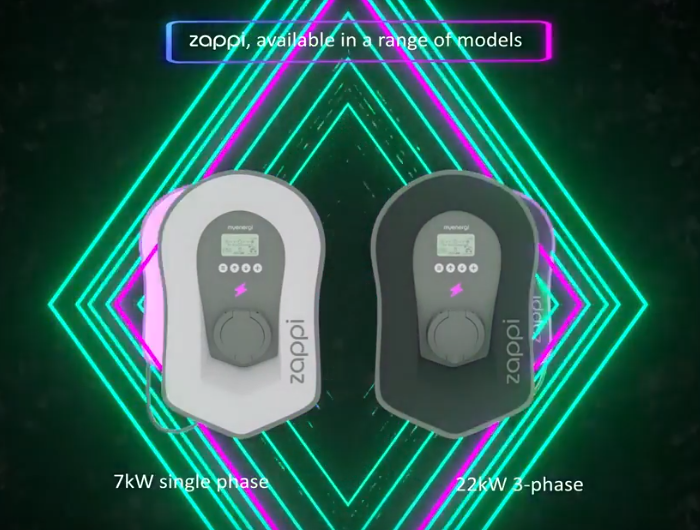
The stars of the show were the new zappi models: the single-phase, 7kW variant complete with its fresh makeover and the highly-anticipated three-phase, 22kW zappi– both available as tethered and untethered units. Details about the new soon to be released myenergi hub device and app, offering internet connectivity for remote control and live view of energy flow, were also presented to highlight the advancements of our exciting product range. As well as being able to perform as a regular charge point for customers who don’t have solar or wind on their property, these new exciting developments add significant value to our customers with grid-tied microgeneration systems – particularly when maximising the benefits of the zappi’s three different charging modes. The zappi maintains its ability to limit what grid supply it can take whilst looking to access any surplus green energy available, ensuring it remains the most eco and customer-friendly charge point on the market.

We have previously praised the virtues of the 7kW zappi, and now there’s a speedier 3 phase version too!

Zappi-2.0

Not only that, but also:

One particular highlight from the launch that will be music to the ears for all the installers out there is that the new zappi complies with the BS7671 18th Edition regulations which comes into force January 2019 and is currently the only charge point available where in most cases an earth rod is not required during the install – an installer’s dream!

Apparently myenergi is also an investor’s dream, since the article continues:

Sir Terry Leahy, myenergi investor and former CEO of Tesco, offered words of wisdom and highlighted the positive steps being taken as we remain proud flag-bearers at the forefront of the rEVolution and our friend at Evergreen Smart Power, Andy McKay, gave an exciting and insightful look into the future of green energy. Robert Llewellyn, the former Red Dwarf actor who now fronts the YouTube channel, Fully Charged, was present to champion our cause and we had further support from Fiona Howarth of Octopus Energy who discussed the successful partnership they have with the myenergi team.

myenergi are taking advance orders now, and manufacturing starts in January 2019. Whilst we wait to see a zappi 2.0 in the flesh, here’s the launch video:

Note that:

The zappi eco-smart charge point varies the charging rate in response to available power.

zappi can work alongside battery storage and is an easy retrofit into any home scenario.

OVO Energy Reveal “Domestic V2G Charger” Images

We’ve previously mentioned OVO Energy’s announcements about the vehicle-to-grid technology they’ve been working on, and now we can show you some pictures too! In a news release to accompany the launch event in London OVO announced yesterday that:

Today at its first ever Energy Technology Product Showcase, OVO unveiled a range of products that together with its intelligent platform VCharge will form the components of a distributed, domestic energy system for the future.

The range includes the world’s first widely available, domestic electric vehicle-to-grid charger, designed and manufactured in the UK. The charger will accelerate the global transition to electric vehicles and will enable drivers to sell surplus energy from their electric vehicle batteries back to the electricity grid – meaning they may never have to pay to be on the road again.

On the new V2G page on OVO’s web site they even revealed what their “domestic electric vehicle-to-grid charger” will look like. Here it is:
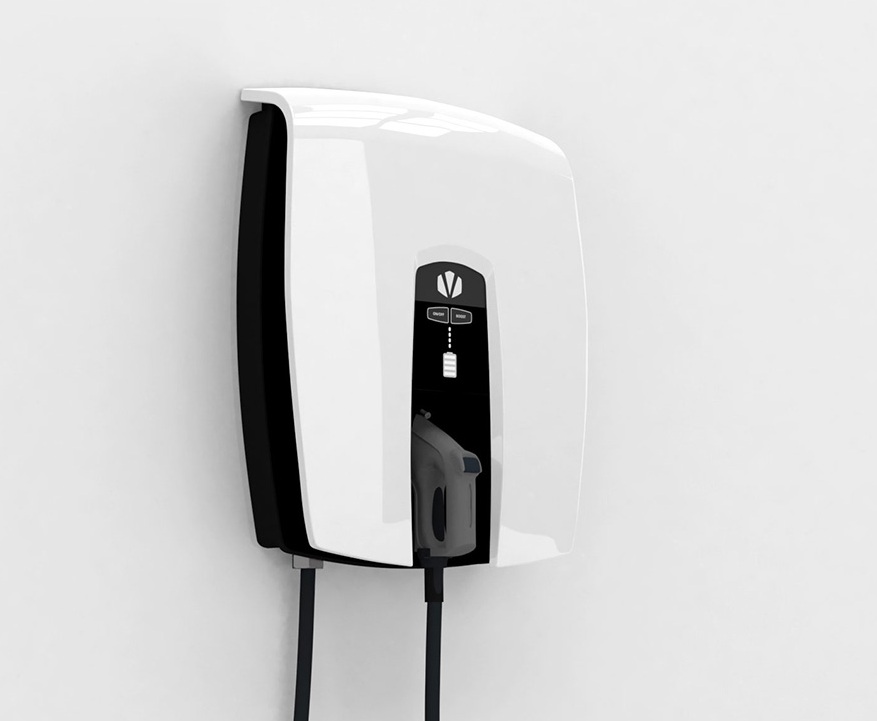
OVO-V2G-1

According to OVO’s CEO Stephen Fitzpatrick:

Renewable energy and electric vehicles are perfect partners for the 21st Century. Today we’re launching the world’s first widely available vehicle-to-grid charger, helping to solve one of the biggest challenges facing the energy sector. We’re enabling thousands of EV batteries to help balance the grid in times of peak demand, more renewable energy to come onto the system, and households to reduce their electricity bills.

This is the first step in building the distributed energy system of the future. One that is truly customer centric and built around households and their connected energy storage devices.

Our completely new approach to energy has been made possible by the convergence of emerging technologies, applying intelligence, and years of working with customers to redesign the entire energy system.

The technical specification of their V2G charger available on OVO’s web site doesn’t give one an awful lot to go on:

The OVO Vehicle-to-Grid Charger is 520 x 210 x 690 mm. It weighs 17kg. And it can be installed indoors or outdoors.

although the snaps from the launch event also reveal:

Power rating: 6 kW charge and discharge.

The news release continues:

The OVO Vehicle-to-Grid Charger is the world’s first widely available domestic bi-directional charger. Using VCharge, this charger will give drivers the option to discharge and sell surplus electricity from their electric vehicle batteries back to the electricity grid, helping to supply energy at times of peak demand. VCharge will also optimise vehicle charging to take advantage of cheaper electricity when it’s available and when there are more renewables in the system. Through their partnership, Nissan and OVO are leading the way with this technology.

Here’s another image, this time portraying OVO’s partnership with Nissan:
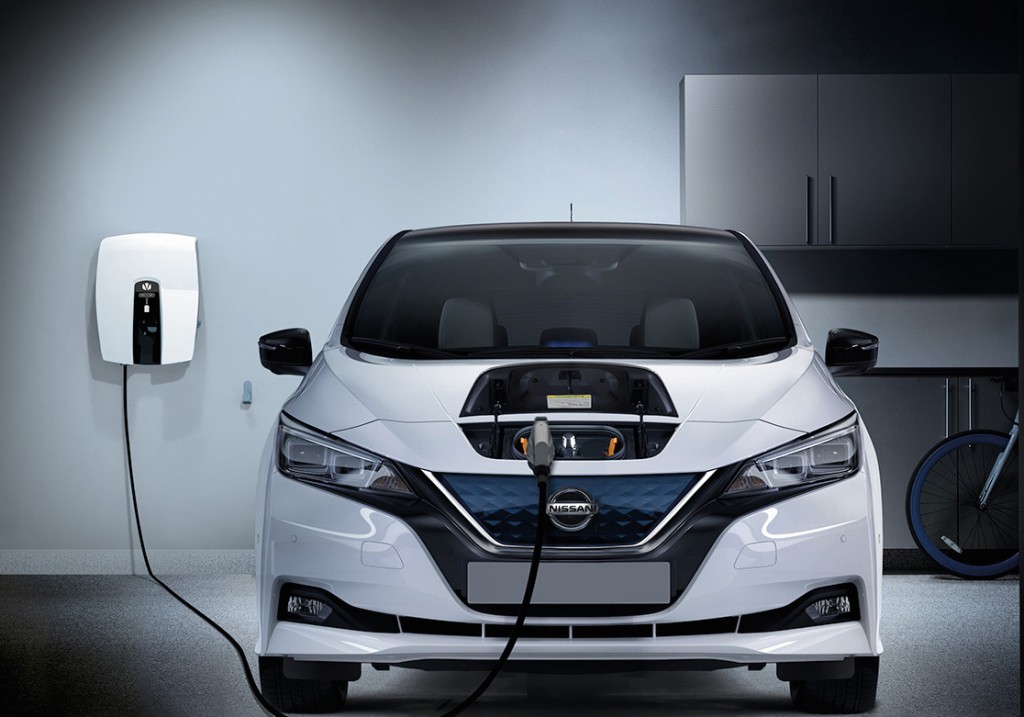
OVO-V2G-2

With slightly less fanfare OVO also pointed out that:

OVO is launching a Smart Charger which, like the vehicle-to-grid charger, will enable electric vehicles to be charged during off-peak hours, thereby easing pressure on the electricity grid as well as allowing drivers to take advantage of cheaper off-peak electricity.

There don’t seem to be any pictures available of the OVO smart charger yet, apart from snaps taken at the launch event:

However as the image above suggests OVO had more exciting news to reveal yesterday:

OVO is also announcing its debut in the home battery market with a Home Energy Storage solution. This powerful battery with a custom built control and communications unit will dynamically and proactively manage energy and power use. It will enable everyone to store, use and sell back electricity, whether or not they produce it themselves.

As if that wasn’t enough, there is still more to tell you!

The smart electrification of heating is an essential component of decarbonising our energy system. Showcased at the event was the OVO Heat Dynamo, an internet connected smart switch that can be retrofitted to electric storage heaters. It allows users to control the level of heat they want, when they want it via OVO’s Smart Heat Customer App, while reducing their electricity bills by as much as 30% and providing balancing services to the electricity grid.

Here at V2G UK we did of course sign up for news of OVO’s V2G activities many moons ago. They’ve asked us to do that again so we did, only to be informed:
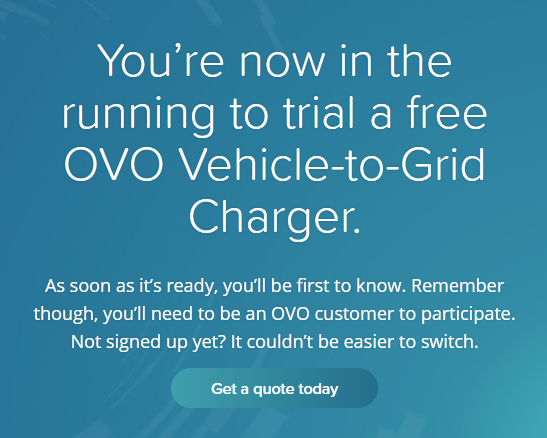
2018-04-19_0852_FreeV2G

It would seem that OVO’s announcement of the “the world’s first widely available, domestic electric vehicle-to-grid charger” is a trifle premature? According to their web site it’s:

Arriving this summer.

P.S. Here’s a better picture of the OVO smart charger:
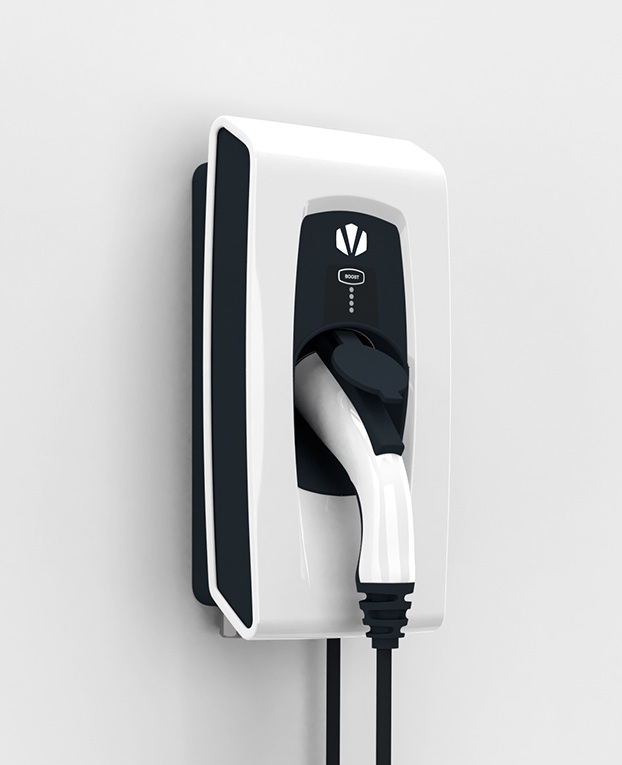
OVO-Smart-1

“Arriving this autumn”
Renault Launches New “Energy Services” Division

In a press release this morning Renault announced that:

Groupe Renault, Europe’s number one manufacturer of electric vehicles, is pleased to announce the creation of Renault Energy Services. The aim of this new subsidiary is to have an active presence in the energy and smart grid sectors, both of which are fundamental to the expansion of electric mobility.

We certainly won’t argue with that proposition, since we’ve been saying much the same thing at much greater length for over 5 years now! The press release continues:

Renault Energy Services will function much like a start-up and its objective is to invest in smart grid-related projects by forging privileged ties with the energy industry’s various stakeholders. Renault Energy Services will focus chiefly on the development of smart charging, vehicle to grid interaction and second-life batteries.

It seems as though Renault are 5 years behind us on this one? There is more. According to Renault’s Senior Vice President for Electric Vehicles, Gilles Normand:

The creation of Renault Energy Services marks an important step forward. Investing in smart grids is key to both reinforcing the lead we enjoy in the European electric vehicle market and accelerating the EV industry’s scale-up.

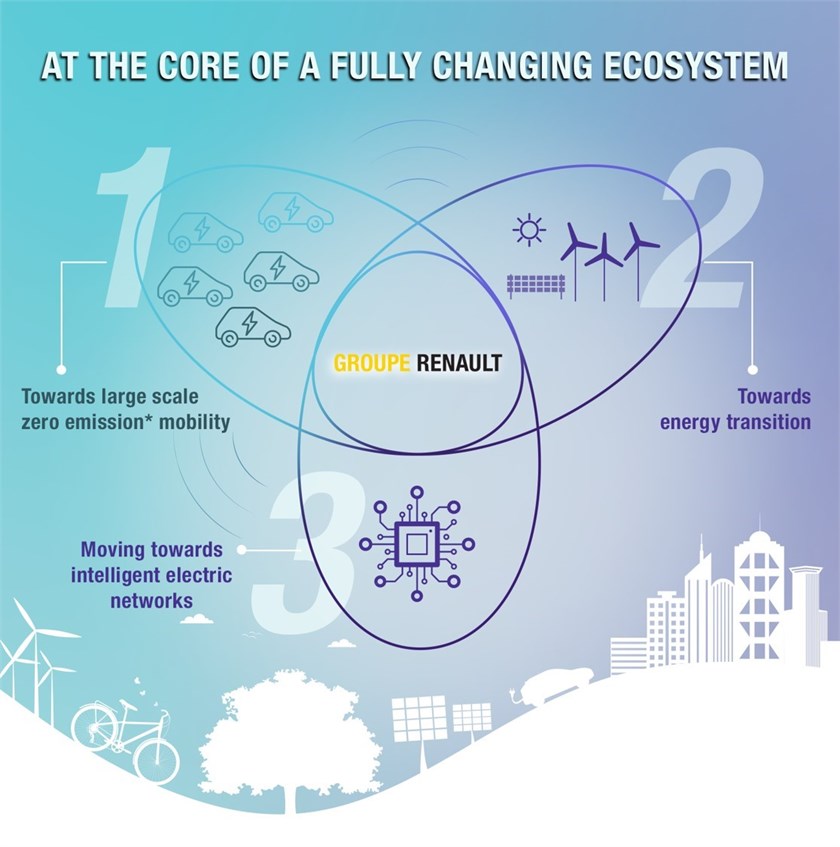
This is what Renault’s “Smart Grid” infographic looks like:

21197739_2017_Groupe_Renault_s_new_subsidiary_Renault_Energy_Services

According to Renault’s press release once again:

Groupe Renault intends to make a real contribution to the expansion of smart charging networks which, by facilitating the communication of data, are capable of making real-time adjustments to the supply of electricity for more-efficient management of resources. Renault electric vehicles connected to smart grids will benefit from more economical, lower-carbon electricity. In addition to permitting the development of smart charging, smart grids favour both interaction between electric vehicles and networks (vehicle to grid) and projects involving second-life batteries:

  • Smart charging adjusts battery charging rates as a function of customers’ needs and the availability of electricity via the grid. Batteries are charged when supply exceeds demand, notably during renewable energy production peaks and when rates are at their cheapest.
  • In vehicle to grid systems, electric vehicles provide electricity to the grid during peak hours. In this way, not only do they benefit from the advantages of smart charging but they also serve as a means to temporarily store energy.
  • Even once their life as a power source for electric vehicles is over, EV batteries continue to be capable of storing a significant amount of energy. Renault is able to harness this energy, notably for the purposes of stationary energy storage. By giving batteries a second lease of life, Renault is today in a position where it can cover the full spectrum of energy storage needs, from individual homes to office buildings, factories, schools and apartment blocks, and even the charging of electric vehicles.

Unfortunately the press release doesn’t include Gilles’ mobile number. That’s a shame, because I’d love to have a quick word with him!

UK Government Consultation on EV Charging Infrastructure

Earlier this year the OECD’s chief Economist recommended “fiscal stimulus and investment in infrastructure”. Perhaps Theresa May was listening? I ponder that point because earlier this week the Department for Transport unveiled their “Plans for more charging stations to encourage low emission vehicles”. According to the accompanying press release:

As part of our ongoing commitment to making transport greener and improving air quality, the Department for Transport is consulting on a series of measures that will make chargepoints more accessible, making it easier for drivers to recharge as demand for low emission vehicles increases. The measures are due to be included in the Modern Transport Bill.

The government has pledged more than £600 million over this parliament to further boost the ultra low emission vehicle market, which is going from strength to strength after the number of new ultra low emission vehicles registered rose by 250% in just 2 years.

According to Chris Grayling, the United Kingdom’s new Secretary of State for Transport:

  • We are committed to making transport cleaner and giving even more drivers the option of using a low emission vehicle as we strive to improve air quality across the country.
  • Our ambition is for nearly all new cars and vans to be zero emission by 2040, and we are taking real steps to achieve this in the Modern Transport Bill. We now want to hear the views of businesses and the wider public.

That final bullet point is addressed by an announcement from the Office for Low Emission Vehicles:

This consultation seeks views on measures to support the uptake of ultra low emission vehicles (ULEVs), proposed for inclusion in the Modern Transport Bill.

The proposed measures relate to refueling and recharging infrastructure for ULEVs and focus specifically on:

  • the consumer experience of infrastructure
  • smart charging – infrastructure and the electricity system
  • the provision of infrastructure

The consultation closes at 11:45 PM on November 23rd 2016, so if you have strong views on the UK’s EV charging infrastructure in general or “smart charging” in particular now is the time to start putting your thoughts on virtual paper before sending them to Chris Grayling.

Perhaps I’ll have to precis this blog for him, since the consultation document itself summarises the proposed measures in the Modern Transport Bill as follows:

Consumer experience of infrastructure

a) Power to require operators of publicly accessible chargepoints and hydrogen refuelling stations, and networks, to provide data in an open source format on the geographical location and live availability of charging and refuelling infrastructure

b) Power to require operators of publicly accessible chargepoints and hydrogen refuelling stations, and networks, to ensure consumers can use them without the need for multiple memberships

c) Power to require operators of publicly accessible chargepoints and hydrogen refuelling stations, and networks, to publish transparent and comparable pricing information

d) Power to specify minimum standards of design and functionality for new publicly accessible chargepoints and hydrogen refuelling stations and networks

Smart charging – Infrastructure and the electricity system

e) Power to require infrastructure installed for the purposes of charging EVs to have ‘smart’ functionality to receive, understand and respond to signals sent by energy system participants (e.g. Distribution Network Operators (DNOs), energy suppliers, National Grid or other third parties) for the purposes of balancing energy supply and demand, and to require any technological functionality in EVs necessary to ensure ‘smart’ functionality

f) Power to require that technical standards used by operators of chargepoints and networks comply with the requirements set out in these measures are available and implemented on an open access basis. This includes making publicly accessible the necessary protocols to allow the charging infrastructure to communicate, understand and respond to signals or grid balancing

Provision of infrastructure

g) Power to require that operators of motorway service areas (MSAs) ensure a minimum provision of electric and hydrogen fuels for ULEVs at MSAs

h) Power to require a minimum provision of electric and hydrogen fuels for ULEVs at large fuel retailers

i) Power to franchise hydrogen refuelling

I’m sure Chris will be interested to discover more about “technical standards used by operators of chargepoints and networks… implemented on an open access basis”. Perhaps he’d like to learn more about vehicle-to-grid technology too?

Will the United Kingdom Become an Electric Nation?

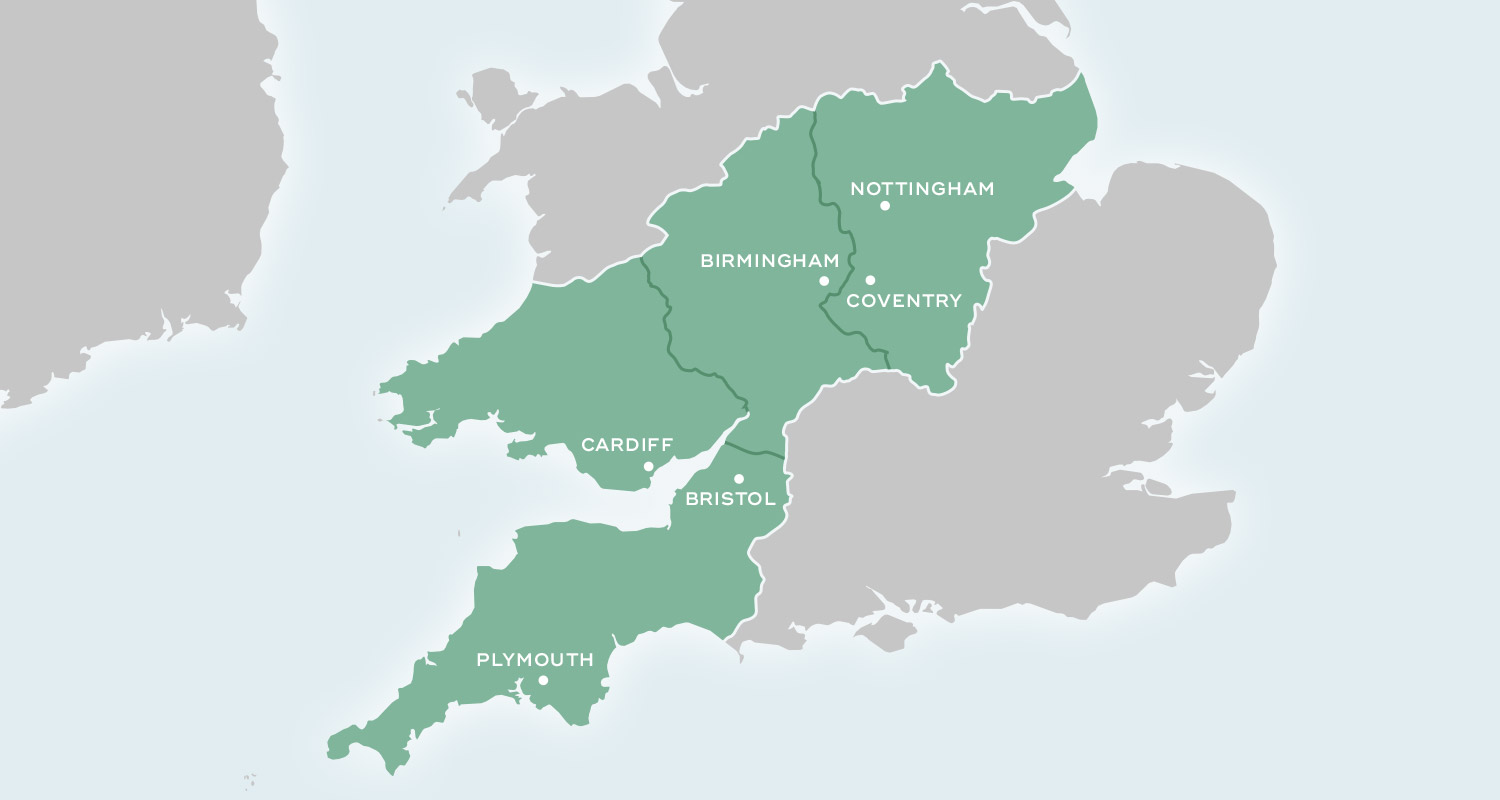
Electric Nation is an OFGEM funded electric vehicle “smart charging” trial project which:

Aims to provide local electricity network operators with the tools to be able to ensure that their networks can cope with [the] massive new challenge [of local electricity networks becoming overloaded], whilst avoiding replacing cables and substations.

The always entertaining Bobby Llewellyn explains the problem with a little help from Roger Hey, Future Networks Manager of Western Power Distribution:

As Roger puts it:

The more cars that you put in a single area, the more stress that you’re going to put on. The network was never really designed to have so many things all in one place. It was designed for powering people’s homes, for cooking. It wasn’t originally designed for transportation fuel as well!

Carl Sanderson of BMW UK adds:

What happens when, let’s say, 25% of the motoring public are plugging in their car at a similar time? Are we going to see massive blackouts? Are the lights going to go out? I think it’s a key point that needs addressing.

Andy Eastlake of the Low Carbon Vehicle Partnership suggests a solution:

One of the challenges is energy storage, and if we’re putting a huge energy storage capability into the cars can we use that to balance the grid?

To which Bobby responds:

So what you’re talking about then is very much vehicle-to-grid, [energy] going both ways, communicating smartly, the whole development of that technology?

Andy outlines the case for “smart charging” instead of full blown V2G, but adds:

There’s a problem with electricity tariffs. We’re not allowed to have lots and lots of electricity tariffs because the perception was the market will be too complex, so that’s one of the things holding back electricity supply companies in delivering creative tariffs.

Ben Godfrey, also from WPD, tells Bobby something he didn’t already know:

Effectively for every EV we connect to the network, it’s adding an extra house.

and points out that:

The interesting thing about vehicles as well is that they follow where people go. People move from town centres in the day, which is where we have the big load, to domestic places in the evening which also mirrors the load on the electricity network. If we could use the storage built into the vehicles to move that power from cities out into domestic areas then that would replace the need for us to put in extra cables which is going to cause disruption to the network.

If we can harness vehicle-to-grid then that can save us from building any extra cables, digging up roads and causing lots of disruption.

Bobby adds:

And potentially from building new power stations. You could time shift that power to a certain extent.

All in all a remarkable good advertisement for full blown V2G at the launch of a “smart charging” trial! First things first though. Is your home currently connected to Western Power Distribution’s network?

If so and if you have or are getting an electric vehicle and if you haven’t yet taken advantage of the UK Government’s home charger grant you may well be interested in finding out more about the Electric Nation trial:

Electric Nation is seeking to recruit over 500 electric vehicle (EV) owners (including pure electric and plug-in hybrids) to take part in the largest trial of its kind. Participants will charge their cars at home using a smart charger which can manage when and how their vehicle battery charges. The findings of the trial will help electricity network operators to manage the effect of the additional load caused by charging EVs on the local electricity network. This is essential for the security of electricity networks in the future and the decarbonisation of the transport sector which is responsible for approximately 21% of the UK’s greenhouse gas emissions.