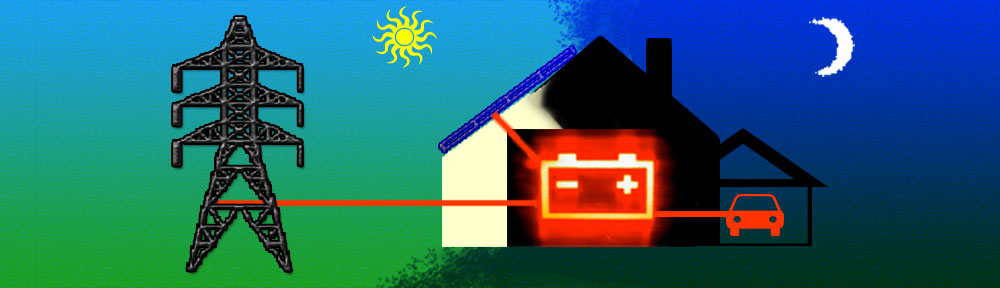
Solar Smart Charging in Utrecht with 150 Renault ZOEs

In a press release earlier today Renault announced that:

Renault has signed a letter of intent with the Dutch Utrecht City Council, ElaadNL and LomboXnet on Smart Solar Charging for electric vehicles.

The signature took place during the state visit to Paris of King Willem-Alexander and Queen Máxima of the Netherlands.
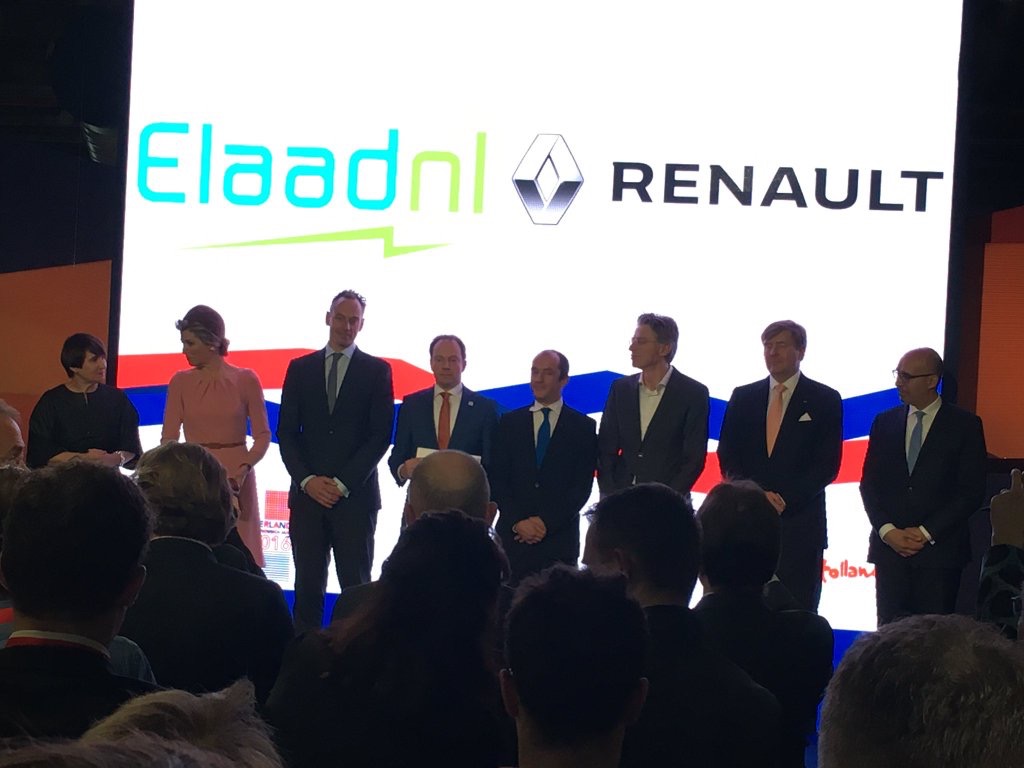
According to the letter of intent, the city of Utrecht could be the testing ground for the solar smart-charge project. Renault, Europe’s leader in electric vehicles, would supply a fleet of 150 Renault ZOE models through 2017 to the city. ElaadNL would handle management of infrastructures and the smart-charge standard, and LomboXnet would take charge of installing the network of unique public charging terminals powered by a 44 kW grid connection. Grid operator Stedin would be involved to balance supply and demand of the grid.

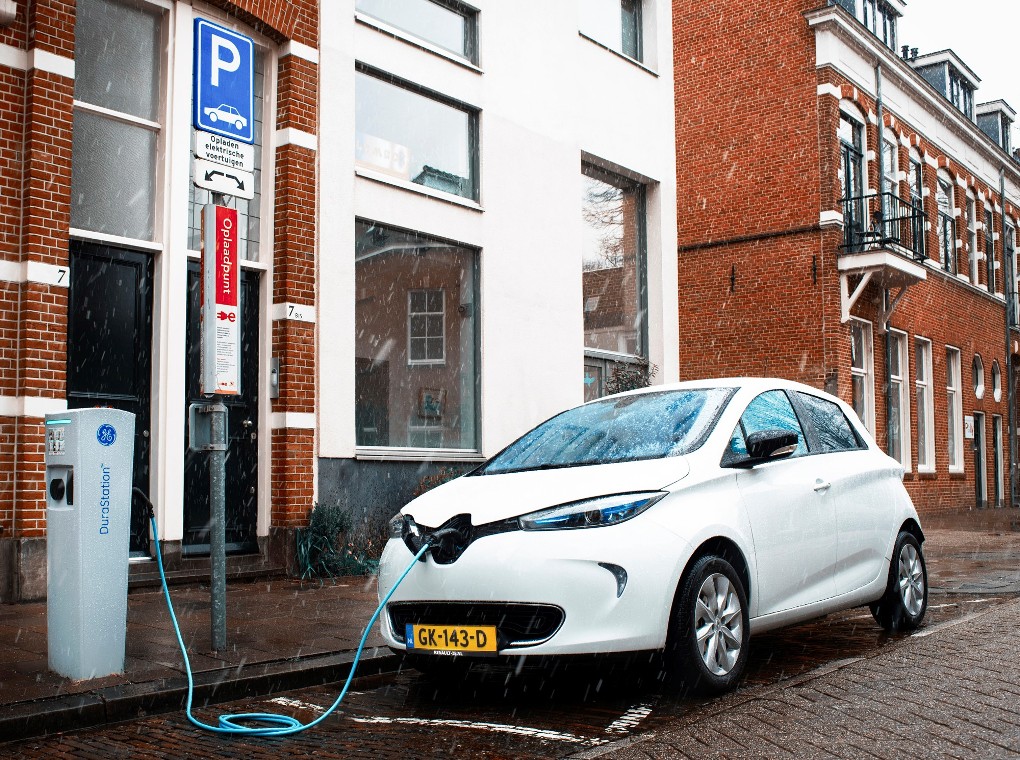
The Royal Family might have left better weather behind during their trip to Paris, but here’s a Renault ZOE charging outside the LomboXnet offices in Utrecht, in the rain:
Moving on to some more technical details of the Utrecht project:

Phase one of the project would involve setting up 1,000 smart solar-charge stations, powered by 10,000 photovoltaic panels in the Utrecht region. Infrastructure installation would run side by side with development of a car-share service of electric cars, powered by renewable energy, for Utrecht residents. The Renault ZOE R.Access connectivity and 22 kW charging make it ideal for car-share and smart charging applications.

So far so good, and then comes phase 2!

Phase two of the project would proceed with the partners developing a vehicle-to-grid ecosystem, with the network of solar chargers capable of both charging the electric cars and of feeding energy stored in the batteries of parked cars onto the grid to meet demand peaks. This could be the starting point for a new system storing renewably sourced energy.

As always at this juncture, one cannot help but wonder where and when the first “vehicle-to-grid ecosystem” will evolve here in the United Kingdom!
Renault and Eneco Announce Smart Charging App at COP21

As we reported yesterday, the Nissan half of the Renault-Nissan Alliance made an interesting V2G announcement at the COP21 meeting in Paris. Now it’s Renault’s turn, although this one concerns “smart charging” rather than fully fledged vehicle-to-grid technology. In a December 7th press release they said that:

Renault & Eneco collaborate on smart charging solution for electric vehicles.

  • Agreement signed between electric vehicle leader Renault and energy supplier Eneco on December 7, 2015 at COP21 Paris conference
  • Eneco will develop smart charging app for ZOE, Renault’s 100% electric compact car
  • Renault ZOE users will be able to charge their car at lower costs using renewable energy

Eneco subsidiary Jedlix will develop a version of its existing smart charging app, to adapt it to Renault ZOE. This app makes it possible to charge electric cars using renewable energy at times when the market prices are most favourable. Like at night, when the production of sustainable wind energy exceeds demand in most European countries.

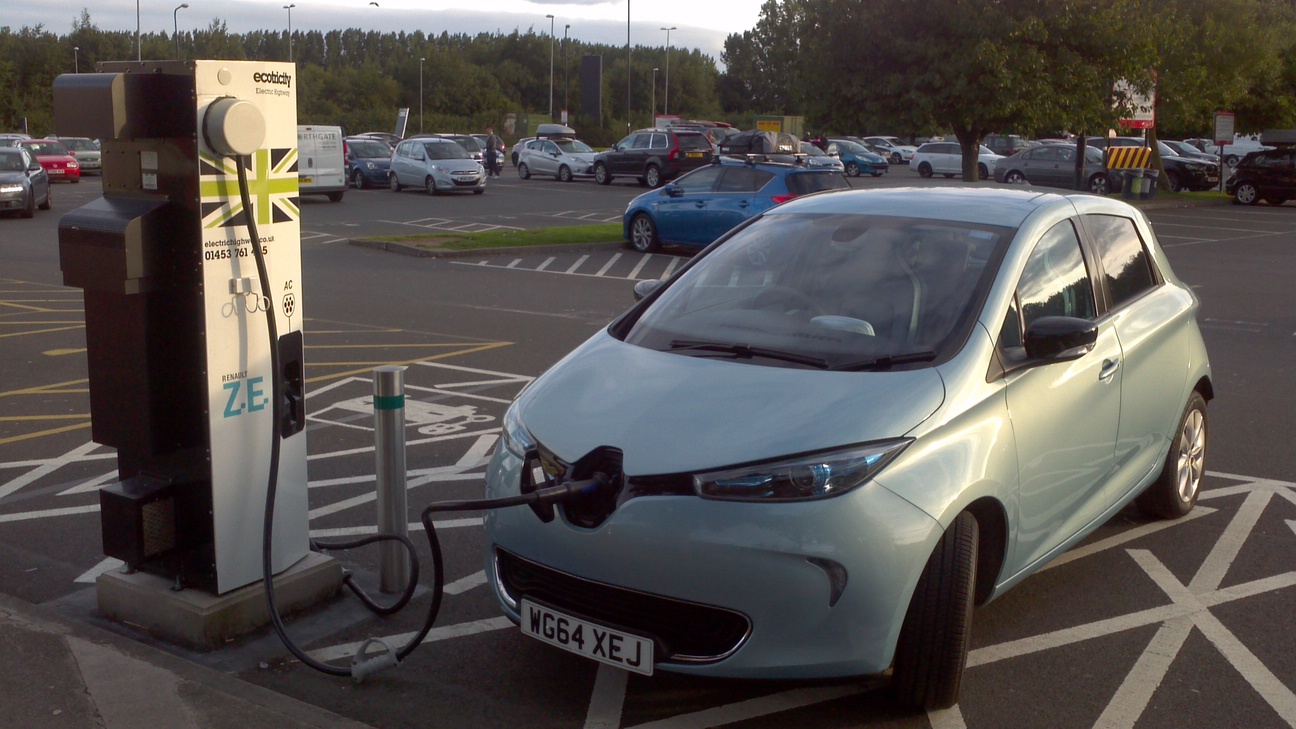
As far as “lower costs” go, here’s a glimpse of V2G UK filling up a Renault ZOE 100% electric compact car 100% free of charge using renewable energy in a UK motorway service station, courtesy of Nissan & Ecotricity:

Heading back to Paris, Eneco Executive Board member Marc van der Linden said :

It is expected that there will be three million electric vehicles in the whole of Europe by 2020. To reduce CO2 emissions, it is essential that this vehicle fleet will use green power. It is also important to prevent power grid overloads as a result of peaks in demand if all the cars would be charged at the same time. Our app forms a direct link between the electric vehicle and the supply of sustainably generated energy. Consequently, the energy used for charging is more sustainable, energy supply and demand is balanced and the costs of driving an electric vehicle are reduced because users charge their cars at lower rates.

Eric Feunteun, who is Electric Vehicle Program Director at Renault, added:

Renault electric cars support the energy transition in the automotive industry as they contribute to the replacement of fossil fuels by renewable energies. With smart charging systems like the one developed by Eneco, Renault electric vehicles make a big contribution to power systems’ stability and reliability: EVs turn into an asset for the grid rather than create overload. They can store and use electricity when it is less carbon-dependent and cheapest for their owners. Our partnership with Eneco is a move towards making driving a Renault ZOE more interesting and affordable and will contribute to an electric vehicles’ scale up.

Renault’s press release continues:

A pilot test carried out by Eneco in the Netherlands demonstrates that users can save up to 15% on their electricity costs by using the app. To achieve this, all they have to do is indicate by what time the car must be fully charged and the system will automatically determine the lowest price within this time frame. The app will first be available for ZOE users in the Netherlands and soon be available in other countries where Eneco operates.

Eneco do have a UK office, but quite how Renault ZOE drivers across the UK might be able to make use of “a flexible [electricity] price negotiated electronically by computers” to save a few quid on their fuel bills whilst “prevent[ing] power grid overloads” is a mystery to me at the moment, despite the fact that I sit on committees tasked with designing international standards for such things! However, here’s Eneco’s vision of “Everyone as an Energy Supplier in 2030”:

Make sure that, if nothing else, you watch the bit at 1 minute 20 seconds which mentions that “The car plays a pivotal role as an energy storage buffer”.

My Electric Avenue Preliminary Results Revealed

Just in case the name is unfamiliar to you, the My Electric Avenue project has been running for a couple of years now. According to the My Electric Avenue web site:

Whilst there’s plenty of capacity to deliver power for EV charging across the UK, if the charging requirements are concentrated in small areas and during peak demand, local feeders can become overloaded. With the development of even faster charging times, this problem shows no signs of fading.

The full size and scale of the problem that EV clusters could cause will only become apparent to Distribution Network Operators (DNOs) when they are already on the network, demanding costly mitigation measures in short timescales.

EA Technology and Scottish and Southern Energy Power Distribution (SSEPD) are working together with partners under the Ofgem Low Carbon Networks (LCN) Fund to develop a ready-made low cost solution. EA Technology is developing an EV charge control system to balance out the charging cycles of EVs at times of network stress.

To test the system the trial is simulating a future EV network, and to do this, clusters of EVs have been ‘created’.

If all that information strikes you as being a bit on the dry side, here’s an episode of Robert Llewellyn’s “Fully Charged” show that explains the project in a more entertaining fashion!

I watched a webinar last week in which some preliminary results from the project were released, but EA Technology had a few internet connection problems due to high winds in the North of England, and the feed gave up the ghost halfway through! To rectify that they’ve made a video of the proceedings available to all and sundry, and here it is:

There’s also a page on the My Electric Avenue web site where you can download additional information.

The data referred to in the video is based on the initial results from an ongoing survey. It explains that the approximately 200 participants who each leased a Nissan LEAF were split into two roughly equal groups. The “technical” group used “smart” or “controlled” charging, whilst the “social” group simply had their EV charging activity monitored. There’s obviously much more detail available from the video and accompanying documentation, but in brief:

  • Only ~5% of people disagreed with the proposition that “EVs are easy to live with”, however
  • 117 out of 193 people “struggle to charge away from home”
  • Of those 117, 12% intend to buy their LEAF at the end of the trial and 43% intend to lease it
  • Overall 17% intend to buy their LEAF at the end of the trial and 41% intend to lease it
  • Even after the “controlled” charging trial 80% of people like to charge their car until it is full
  • Of the people on the “technical” trial, 16% disagreed with the proposition that “My electric vehicle charges sufficiently in the time available to charge”

The concluding section of the presentation points out that the sense of “community” was very important to the success of the project, with “local champions” recruiting friends and neighbours into their “cluster” of EVs a vital element of that.

The final report on the My Electric Avenue project is due to be released by De Montfort University towards the end of October 2015. In the meantime if you are in the EV business and you would like to take a quick survey yourself on the topic of “Industry Views on the Impact of Cycling Electric Vehicle Charging” then you can do so over at:

https://www.surveymonkey.com/s/Y5N8TTV