Terna and Fiat Chrysler Announce 700 Vehicle V2G Project

Italian utility Terna announced in a press release yesterday that:

Today in Turin, the CEO and General Manager of Terna, Luigi Ferraris, and the Chief Operating Officer of Fiat Chrysler Automobiles in EMEA, Pietro Gorlier, signed a Memorandum of Understanding for the joint trialling of sustainability mobility services and technologies, such as Vehicle-to-Grid (V2G), which enables electric vehicles to interact with the grid via ‘smart’ charging infrastructure.

The partnership between the companies will involve the realisation at the Terna location in Turin of the E-mobility Lab, an innovative technology laboratory which will allow trials on the performances and capacities of electric cars for the provision of services to support the flexibility and stabilisation of the electricity grid, and their one-way and two-way interaction with the grid via a dedicated charging infrastructure. Feasibility studies will also be launched for an experimental demonstration fleet of electric cars connected to the grid via a V2G infrastructure, to be built in an area inside the FCA Mirafiori industrial complex.

According to a Reuters report Pietro Gorlier said:

“We’ll start with the electric Cinquecento. The project will kick off in the coming months, we plan to reach 600-700 test vehicles by 2020-21”.

FCA will start producing a full electric version of its Cinquecento mini car in Mirafiori by the second quarter of next year.

Nissan and EDF collaborate on UK V2G

In a press release earlier today Nissan announced that:

Nissan and EDF Group have signed a cooperation agreement to accelerate the delivery of electric mobility together – particularly through the smart charging of electric vehicles. This agreement applies to the United Kingdom, France, Belgium and Italy.

The cooperation agreement focuses mainly on developing smart charging solutions (vehicle to grid, or V2G) by bringing together technologies developed and mastered by both companies. Smart charging refers to technologies that optimise the charging or discharging of an electric vehicle in an efficient and cost-effective manner.

As part of the cooperation agreement, Nissan is responsible for the sale of V2G compatible electric vehicles, and EDF Group in charge of V2G charging solutions and related services.

If EDF have “developed and mastered… V2G charging solutions” I cannot help but think they must be buying in the necessary hardware technology from elsewhere rather than having developed and mastered it themselves. However the news release is rather vague about that side of things! It continues:

Fundamental to Nissan’s Intelligent Mobility vision is the integration of electric vehicles into society, with V2G technology offering significant benefits to electricity grids and providing new financial opportunities to businesses. As increasing numbers of drivers and businesses make the switch to 100% electric vehicles, Nissan achieved record sales for both the Nissan LEAF and e-NV200 van in Europe last year.

EDF Group is committed to promote clean mobility for everyone, in particular by developping “smart charging” solutions with tangible benefits to customers. These fully integrated solutions include the management of the battery’s charge and discharge as well as flexibility services to the grid available through storage. They are carried by Izivia, a wholly-owned subsidiary of the EDF Group specialising in charging infrastructure, and Dreev, the newly launched EDF-NUVVE joint venture, specialising in V2G commercial solutions.

Perhaps EDF’s V2G hardware arrives via Dreev then. However Nuvve have told me numerous times that they are “not in the hardware business”. Who is then?!

The coda to the interesting bit of the release states:

Today’s agreement follows a previous partnership in the UK between EDF Energy and Nissan. Signed last year, the two organisations agreed to collaborate around the development of shared offerings in the areas of electric mobility, smart charging, second-life battery use, energy storage and renewable energy sources.

That doesn’t reveal what Dreev are up to either, so let’s dig a little deeper shall we? According to the Dreev web site:

Dreev solution relies on Nuvve technology that has already been deployed and validated on 5 continents.

followed by:

Nuvve Corporation is a San Diego-based green energy technology company, world leader in V2G technology, whose mission is to lower the cost of electric vehicle ownership while supporting the integration of renewable energy sources, including solar and wind.

which links to the Nuvve web site which tells us:

As part of our complete vehicle-to-grid (V2G) solution, we offer bidirectional chargers which are preconfigured to work with NUVVE’s Grid Integrated Platform (GIVe™).

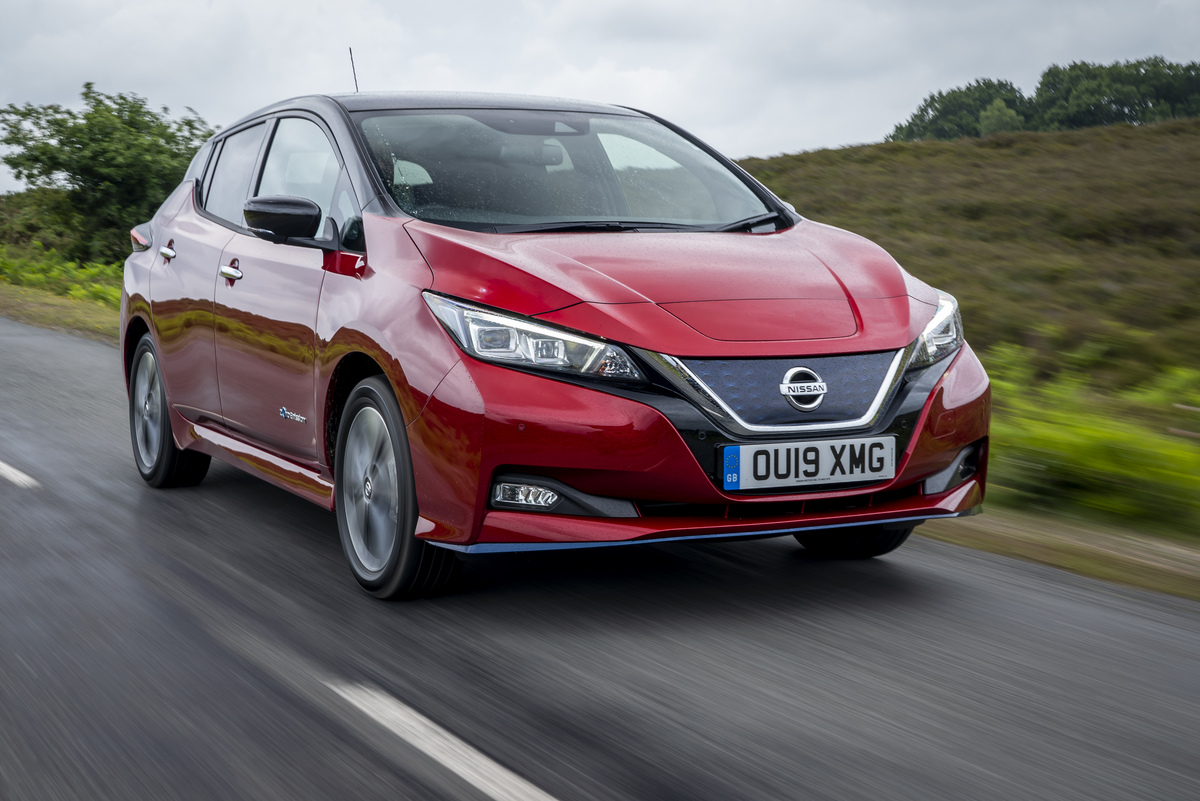
Nissan’s press release included a picture of a shiny red right hand drive 2019 model year Nissan LEAF e+:

Nissan LEAF e plus-small

A packet of peanuts will be our astonishingly generous reward for anybody able to send us a verifiable image of the Nuvve/Dreev “developed and mastered” DC V2G hardware technology. Note that the image on the Nuvve “V2G Chargers” page shows hardware technology developed by a 3rd (or should that be 4th) party.

Cornwall Climate Emergency Energy Workshop

Earlier this year Cornwall Council declared a climate emergency. According to the Council’s original announcement:

Cornwall Councillors met at the Full Council on the 22 January 2019, where Councillors debated a significant motion on tackling climate change and voted to support the declaration of a climate change emergency.

This was an amendment tabled by Councillor Jayne Kirkham to the motion put forward by Councillor Dominic Fairman calling for ‘Urgency on Climate Change’. The amended motion was agreed by the Council and a climate emergency was declared.

View the minutes of the Full Council meeting on meeting on 22 January 2019

The declaration requires the Council to prepare a report outlining how it can sufficiently reduce carbon emissions through energy and other Council Strategies, plans and contracts to ensure Cornwall works towards carbon neutrality by 2030.

Section CC/381 of the minutes concerning “Urgency on Climate Change” reveals that:

A key element of the planning system was reduced car dependency and a move towards electrification was now government policy to help improve air quality. Other issues included highly energy efficient homes to tackle fuel poverty and well insulated homes also added protection for the vulnerable during heatwaves. Members were reminded that Cornwall was the sweet spot of the UK for renewable energy having the best resource in Western Europe and the best solar and geothermal resource in the UK.

A few days ago there was a lively debate on the topic in the Council chamber. Now as part of the process of drawing up that action plan the Council held an energy strategy workshop at the Penryn campus of the University of Exeter yesterday. Here is my brief report on what went on behind the closed doors of the Green seminar room:

Here too is one of our own suggestions for “reducing car dependency and moving towards electrification of transport” whilst improving air quality in Camelford:

“The Camelford Electric Car Club”

Apart from improving air quality an electric vehicle club in Camelford would also reduce the number of cars sitting unused in garages and car parks for much of the time. One car club vehicle can result in 10-20 private cars being taken off the road. If you don’t possess a car you’re more likely to indulge in healthier alternatives such as walking or cycling for short journeys. In rural areas with poor public transport car clubs allow people who could never afford a car of their own to make occasional longer trips they would otherwise be unable to, except perhaps by taxi.

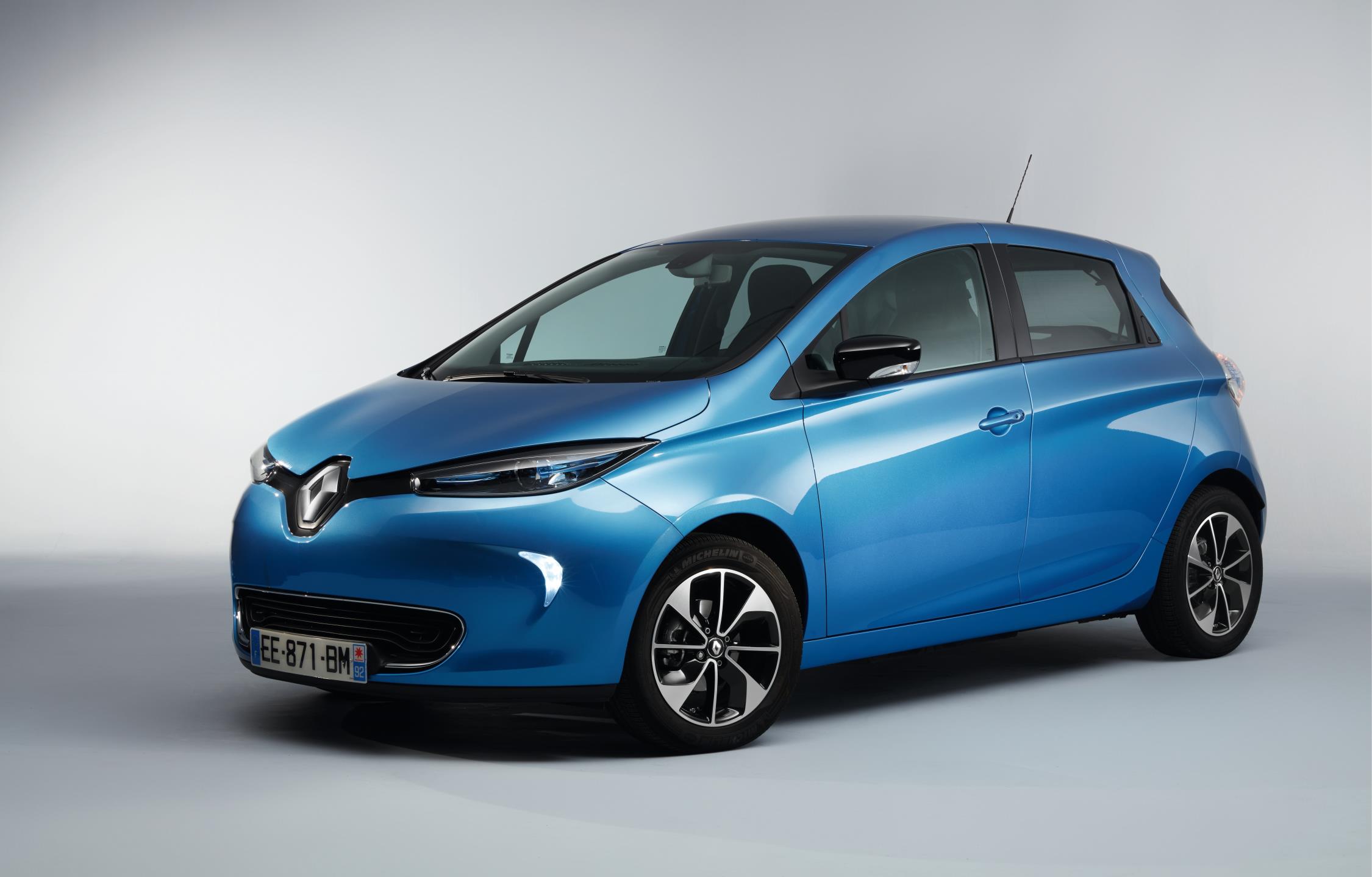
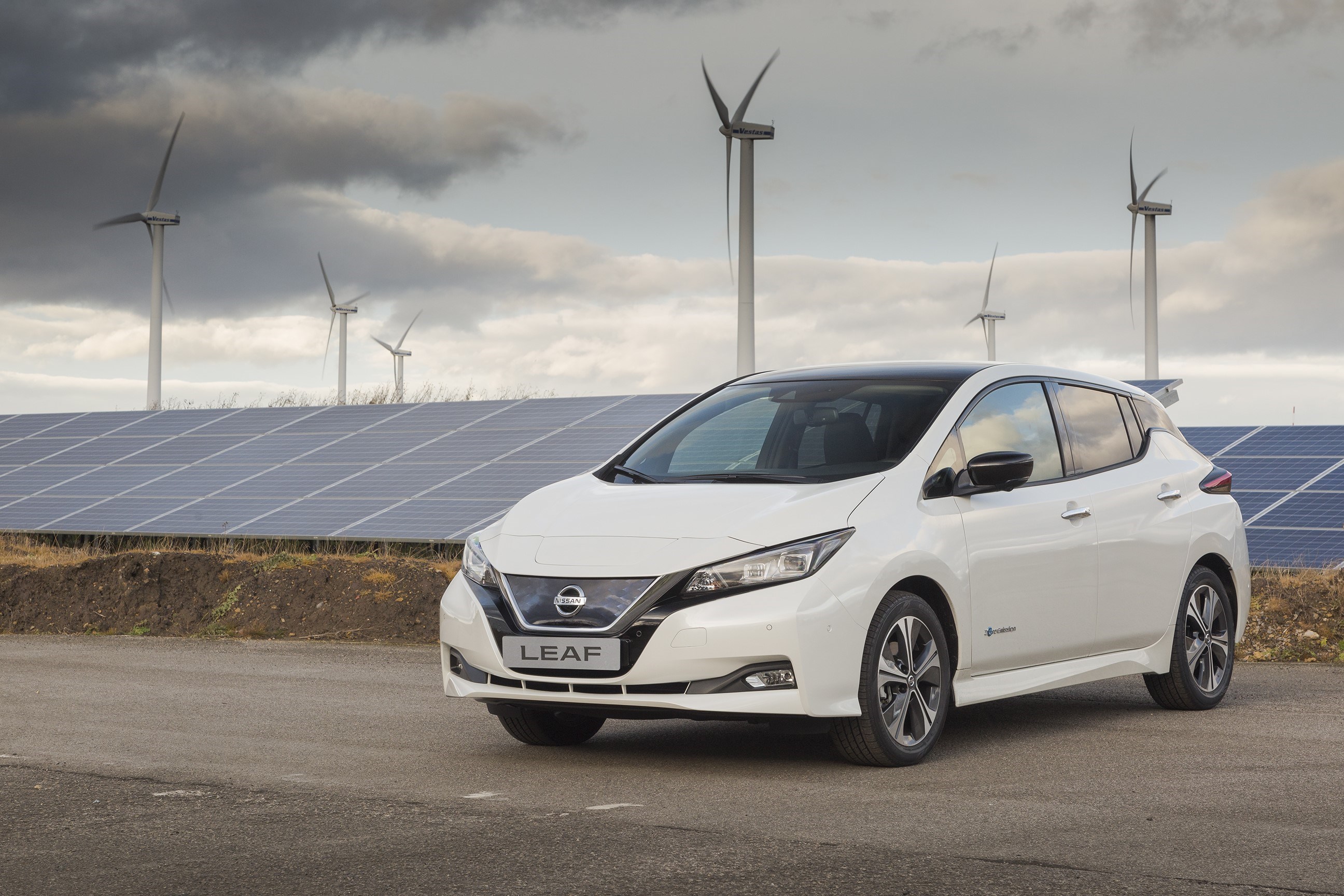
Here are a couple of popular potential car club vehicles:

Renault ZOE

Renault ZOE

Production begins of the new Nissan LEAF in Europe

Production begins of the new Nissan LEAF in Europe

Which would you prefer to drive?

IEC 63110-1 Committee Draft for Vote Draws Near

Please read on to discover the latest news from the smoke filled back offices of the International Electrotechnical Commission’s (IEC for short) electric vehicle standards development committees.

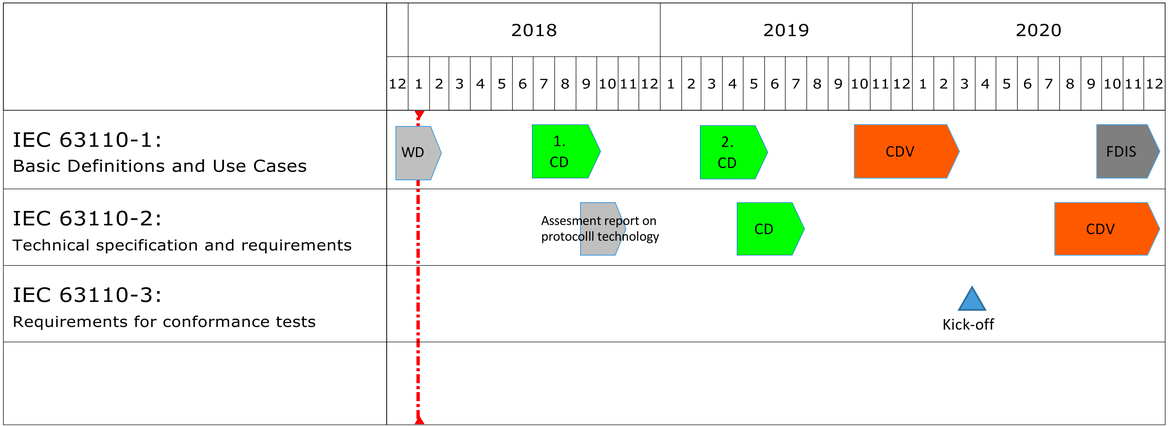
Here once again is the roadmap for the development of the IEC 63110 international standard defining a protocol for the management of electric vehicles charging and discharging infrastructures:

2018-01-IEC-63110-Roadmap

Part 1 of the standard (IEC 63110-1 for short) concerns itself with potential EV charging and discharging use cases. As we have previously mentioned the committee produced a draft document for comment many months ago. The original draft has now been modified to incorporate the suggestions contained in several hundred comments received from around the world. A grand total of zero of those comments emanated from the United Kingdom. The committee is issuing one final call for informal suggestions for further vehicle-to-grid use cases before their next face to face meeting which will be held in Seoul, South Korea starting on June 18th 2019. At that meeting the Committee Draft for Vote (CDV) document for 63110-1 will be finalised, following which the assorted national committees that make up the IEC will vote on the committee’s proposals.

Meanwhile the IEC 63110 part 2 (IEC 63110-2) task force looking into possible options for “message encoding and transmission technology” to be included in the standard are also currently completing their work. It was agreed on the IEC Technical Committee 69 Joint Working Group 11 (TC 69/JWG 11 PT1 and PT2 web conference calls earlier this week that the Seoul meeting should be extended by a day in order to finalise this aspect of part 2 of the standard. By way of example, version 2 of the Open Charge Point Protocol (OCPP 2.0) specifies using JSON encoding over RFC 6455 WebSockets transport, but the task force have been considering a wide range of other possibilities.

Should you have any thoughts on these thorny eMobility topics then please do not hesitate to get in touch at your earliest convenience. After the TC 69/JWG 11 meeting in Seoul these matters will be starting to be set in stone (SSS for short).

Tesla Files SaMDES Patent Application

Regular readers with long memories may recall that way back when in November 2017 we here at V2G UK announced the launch of our Static and Mobile Distributed Energy Storage project? Those readers can no doubt imagine my surprise when I recently discovered an article by Sebastian Blanco in Forbes magazine announcing that:

There’s the grid, the evolving smart grid and then there’s no grid at all. That’s the paradigm that Tesla is exploring in a new patent application, Number 16/186390, which calls for controlling energy generation interactions (solar roofs, anyone? ) that bypass the electric grid.

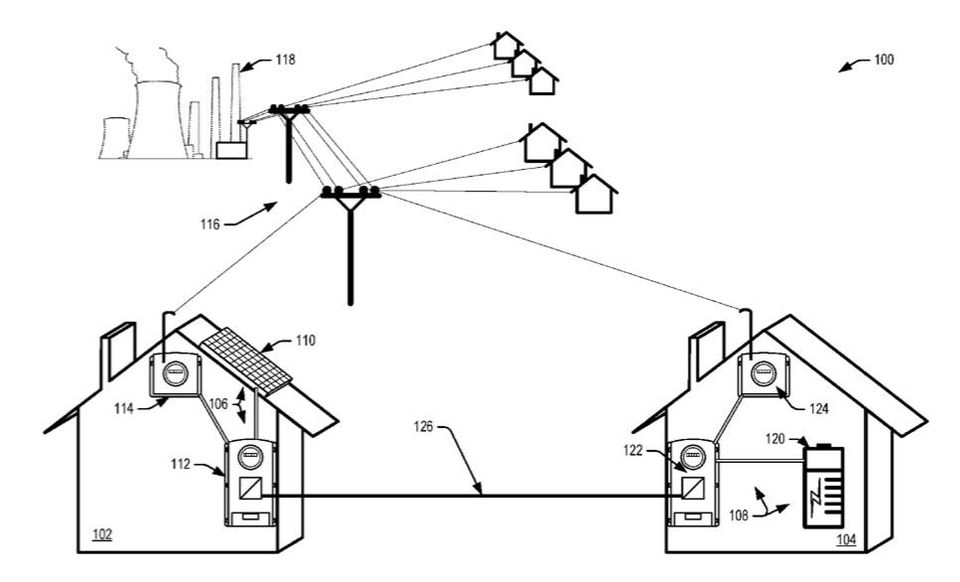
Here’s the monochrome graphic that Sebastian extracted from Tesla’s recent microgrid patent application:

SebastianBlanco_Tesla _Patent_Screen-Shot-2019-03-29

To my way of thinking that’s remarkably similar to the left and central portions of the much more colourful “prior art” in the banner that’s been proudly displayed at the top of every page on this web site for many years now. Do you suppose that Elon Musk is an avid reader of the V2G UK web site? If so perhaps he first arrived here way back in 2014 when I took Tesla’s marketing mavens to task over their propensity to be “economical with the truth” concerning open source electric vehicles.

Tesla’s recent US patent application includes the following paragraph:

This application is a continuation application of U.S. patent application Ser. No. 15/153,037 entitled “ENERGY GENERATION INTERACTIONS BYPASSING THE GRID,” filed on May 12, 2016, which is herein incorporated by reference in its entirety for all purposes.

That seems to refer to this 2018 patent assigned to “SolarCity Corporation, San Mateo, CA”. Does the US patent office by any chance have a number to call to advise them of occurrences of “patenting the bleedin’ obvious”?

Exhibit 1: https://web.archive.org/web/20140606031404/https://v2g.co.uk/blog/

Octopus and Ohme Announce a Smart Cable

This is a piece of electric vehicle smart charging (V1G for short) news rather than directly related to vehicle-to-grid technology. It is extremely interesting nonetheless. In a press release this morning it was announced that:

Octopus Energy and Ohme are today announcing a partnership to offer Octopus Energy customers the chance to have smart charging at home – enabling them to charge any electric car when Octopus’s green electricity is cheapest.

By integrating with Agile Octopus, the UK’s only smart time-of-use tariff, the Ohme cable and app brings smart charging to any home.

Here’s the image of Ohme’s new “smart cable” that accompanied the press release:

OHME_cable_launch

The press release continues:

Once the cable is connected, the driver can just open up the app and enter the amount they would like to charge their car and by when, and then let Ohme manage it for them. For example: “On weekdays, charge my car battery to 100% by 7am”. Ohme then uses the Octopus Agile API to automatically deliver the right amount of electricity when it is cheapest.

By optimising their charging in this smart way, Octopus Energy and Ohme estimate that customers using Ohme in parallel with the Agile Octopus tariff could save around £300 per year on their charging costs in comparison to charging on a typical industry standard variable tariff.

The cable will cost £399, but the first 1,000 Octopus Energy customers get a special launch price of £199.

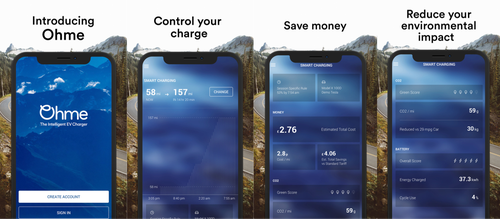
The Ohme cable is available for pre-order on the Octopus Energy web site. Whilst we wait for them to start shipping the new product, here’s an image of the Ohme app in action:
OHME_app_launch

According to Ohme’s CEO, David Watson:

At Ohme we believe the future of transport is electric and that flexible home charging is the key to mass adoption. Ohme’s innovative smart charging cable is the first App-controlled, intelligent EV charger, that combined with Octopus’ smart energy tariffs, delivers real savings and environmental benefits. All you need to do is plug in and let Ohme do the rest.

I cannot help but think that the likes of Wallbox might well quibble with David’s “first app-controlled, intelligent EV charger” remark? The press release didn’t include a telephone number, but we’ll let you know Ohme’s thoughts on the matter when we manage to get hold of them.


[Edit – March 30th]

After desperately doing my due diligence I eventually managed to have a long chat with Ohme’s technical guru, Dan Hollingworth, yesterday evening. As I strongly suspected, the Ohme “smart cable” isn’t actually that smart, by V2G UK’s standards at least. It contains a microprocessor and a 4G modem, not unlike our sister company V2G EVSE’s “smart controller” except that it doesn’t optionally do WiFi, Bluetooth, 2.5 G, 3G, LTE-M and NB-IoT as well.

Ohme’s device doesn’t determine the electric vehicle (EV for short) battery pack’s state of charge by communicating with the EV through the cable. Instead it finds out that useful piece of information by using its 4G modem to communicate with assorted EV original equipment manufacturer’s (OEM for short) cloud platforms, which in turn communicate wirelessly with the EV the Ohme’s cable is plugged into using proprietary protocols.

Ohme’s cloud platform is somewhat smarter since it communicates with National Grid’s Application Programming Interface (API for short) to forecast the “carbon intensity” of the UK Grid and thus determine the “greenness” of the electricity used to charge the EV to which the “smart cable” is attached. Here’s the current output of our open source example of how to go about doing that, generated by the V2G EVSE smart controller:
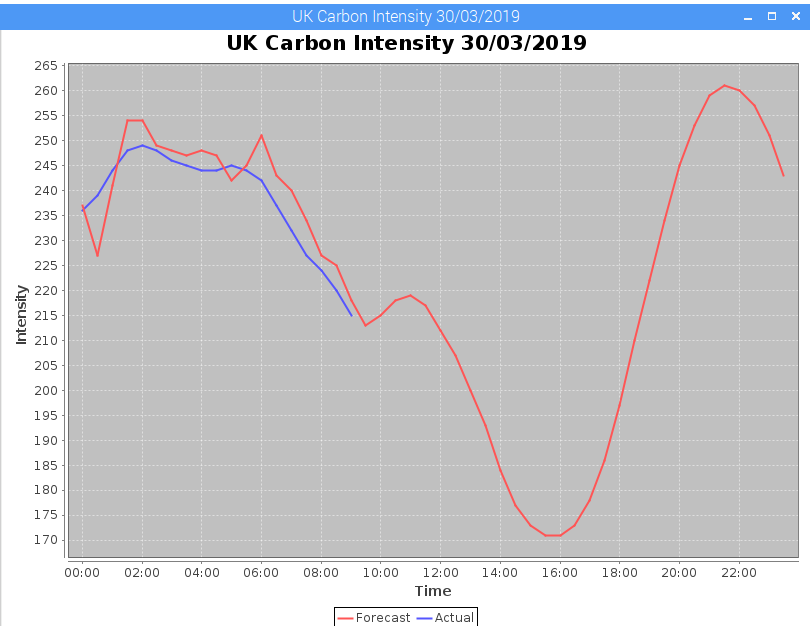
Screenshot from 2019-03-30 10-05-54

Ohme’s cloud platform also determines the price of electricity on Octopus Energy’s Agile or Go tariffs by communicating with the Octopus Energy API

Ohme’s smartphone application (app for short) allows the EV’s owner to instruct Ohme’s cloud based platform how much charge they’d like in their EV battery pack by when. On the basis of all the information Ohme’s cloud based platform has acquired it then uses version 1.6 of the Open Charge Point Protocol (OCPP for short) to instruct the cable when and how fast to charge the EV it’s connected to. In case it’s of interest here’s our open source smart charging station simulator, based on a mildly modified clone of Thomas Volden’s OCPP 1.6 library over on GitHub:

https://github.com/V2G-Ltd/OCPP-1.6-EVSE-Demo

Does that all make perfect sense now?

Renault Starts V2G Charging Pilot Project in Utrecht

In a press release earlier today Renault announced:

Groupe Renault, the European leader in electric vehicles, is beginning the first large-scale pilot schemes in reversible electric charging. Our alternating-current technology has the particularity of placing the reversible charger inside vehicles, so it just requires a simple, inexpensive adaptation of the existing charging terminals.

A fleet of fifteen Zoe vehicles with vehicle-to-grid charging will be introduced in Europe over the course of 2019 to develop our future offerings in reversible charging and lay the groundwork for the future standards —with our partners’ help. These pilot schemes will begin today in Utrecht (the Netherlands) in an ecosystem developed by We Drive Solar and on Porto Santo Island (in the archipelago of Madeira, Portugal) with Empresa de Electricidade da Madeira, an energy supplier. Following these, more pilot schemes will be introduced in France, Germany, Switzerland, Sweden and Denmark.

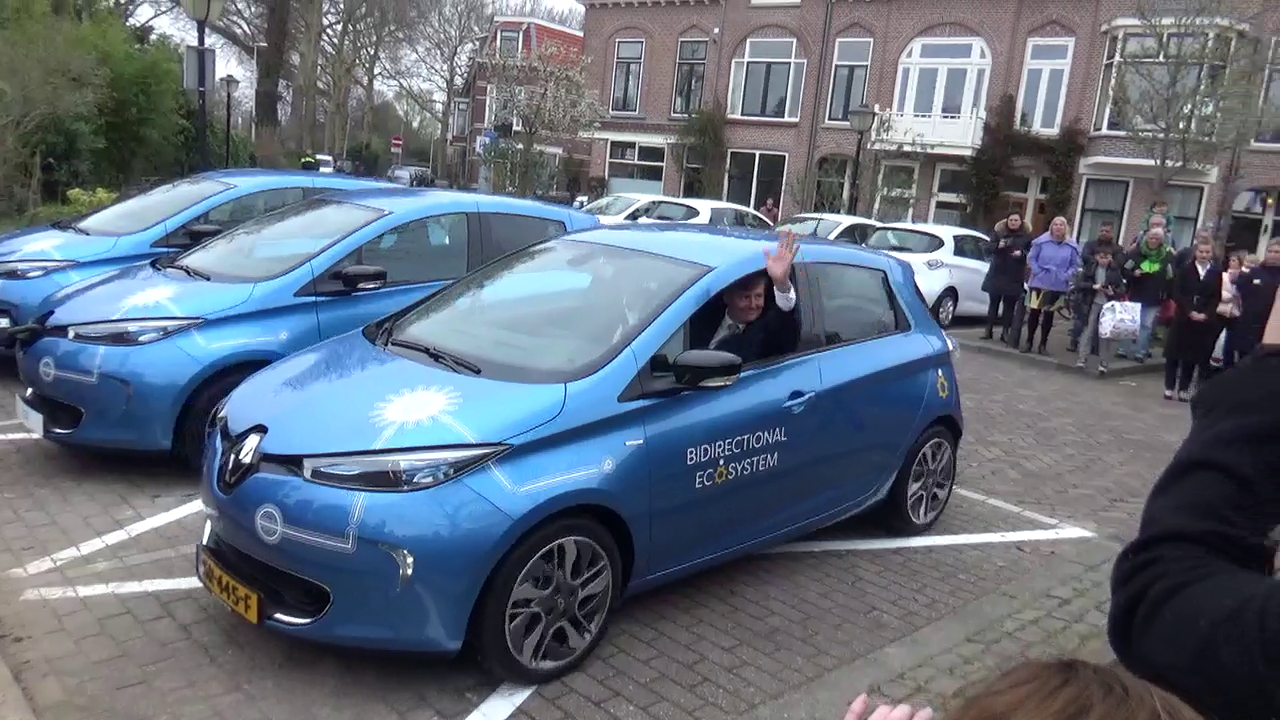
It looks like we’ll have to (metaphorically of course) twist someone’s arm at Renault to let us try one or more of their modified Zoes with AC V2G capability! I was at the launch in Utrecht today and spoke to a variety of representatives from Renault Netherlands and Renault France, who by and large seemed amenable to the idea of a suitably funded UK pilot project. Renault’s press release was of course accompanied by a variety of images. However I took lots of pictures of my own, and a fair few videos too. Here’s the three Zoes that were lined up in Utrecht today:

DSC_0194

and here’s King Willem-Alexander of the Netherlands driving away in one of them, accompanied by Robin Berg of We Drive Solar:

vlcsnap-2019-03-21-18h30m55s189

Here too is a video recording of some of the excellent entertainment at the event, provided by the Hillsback Brassband:

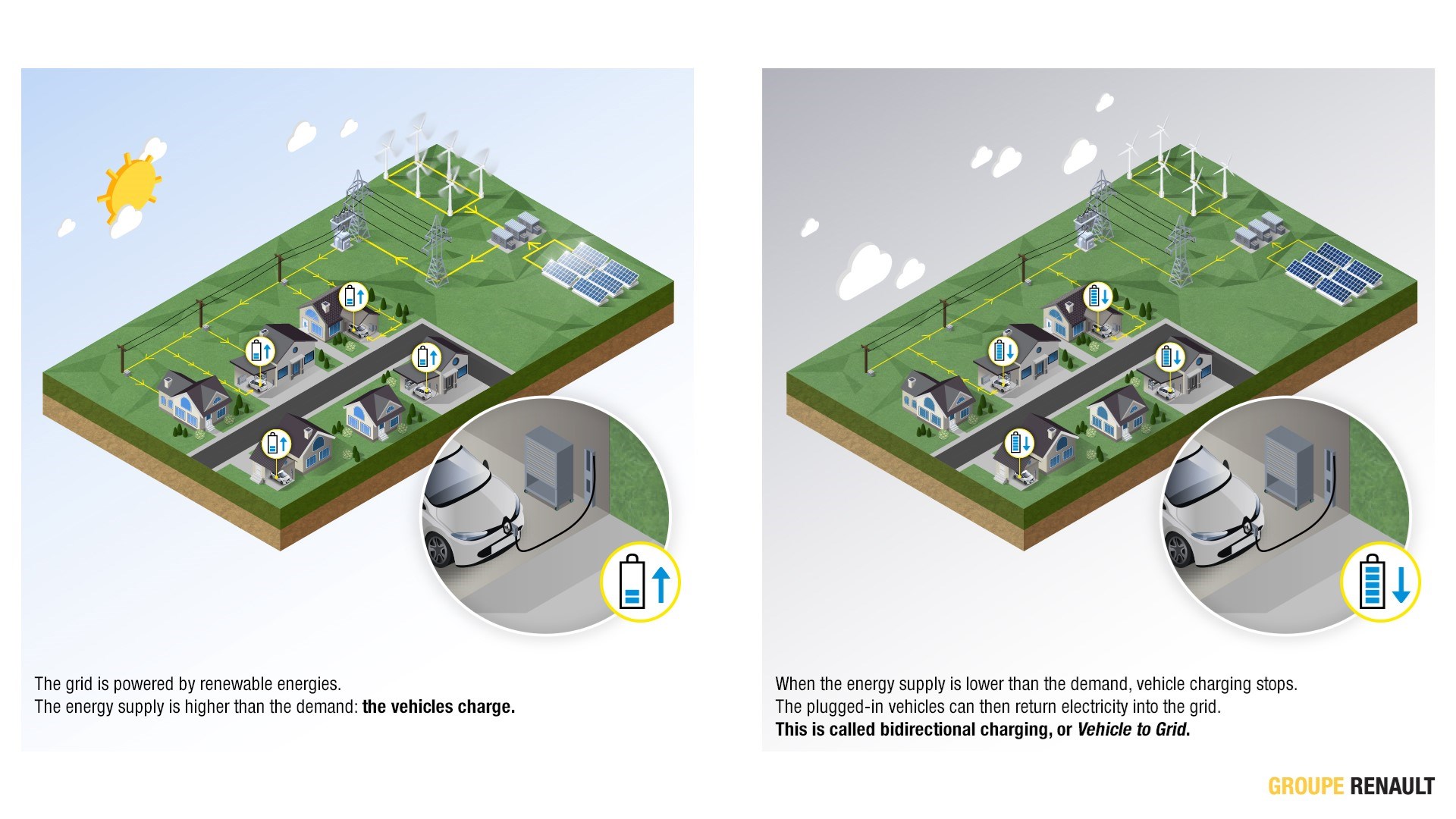
Invigorated by the brilliant brass section here’s one of the press release infographics that I couldn’t snap for myself. Renault’s visualisation of vehicle-to-grid technology in action:

2019 - Recharge bidirectionnelle

2019 – Recharge bidirectionnelle

Charging during the day on the left. Discharging during the night on the right. Much like our very own V2G UK banner above! Renault’s press release continues:

Vehicle-to-grid charging — also called reversible charging — modulates the charging and discharging of electric-vehicle batteries in accordance with users’ needs and the grid’s supply of available electricity. Charging reaches its maximum level when the electricity supply exceeds demand, notably during peaks in production of renewable energy. But vehicles are also capable of injecting electricity into the grid during peaks in consumption. Electric vehicles can therefore serve units of temporary energy storage and become key drivers in the development of renewable energy. In this way, the electricity grid optimizes the supply of local renewable energy and reduces infrastructure costs. At the same time, customers enjoy greener, more economical consumption of electricity and are financially rewarded for serving the electricity grid.

Reversible charging will be piloted in several projects (electric ecosystems or mobility services) through seven countries and alongside various partners to lay the groundwork for Groupe Renault’s future offering. The aim is twofold: to measure large-scale feasibility and potential gains. In particular, these pilot schemes will help us:

  • Underline the technical and economic advantages of an onboard solution in electric vehicles
  • Demonstrate—in concrete terms—the value of services provided for the local and national electricity grid, such as encouraging consumption of solar and wind energy, checking the grid’s frequency or tension, and reducing infrastructure costs
  • Work on the regulatory frameworks of a mobile energy-storage scheme, detecting any pitfalls in it and offering concrete solutions
  • Establish common standards, the basic requirement for an industrial-scale roll-out.

I now have a few more videos of the event to go away and edit, but whilst those are being prepared here’s one that Renault provided earlier, illustrating both “Smart charging” and “Bidirectional smart charging”:

Volkswagen’s New eMobility Roadmap

On the first day of V2G UK’s trip to The Netherlands I attended EVBox’s rEVolution 2019 event in Amsterdam. Here’s EVBox’s own brief overview of the event:

and here’s yours truly during a quiet interlude at the entrance to the Gashouder Westergasfabriek:

DSC_0138

In the first of several reports from Amsterdam, here’s what Martin Römheld of Volkswagen revealed in the final keynote speech:

Here are a few of the key points from Martin’s presentation:

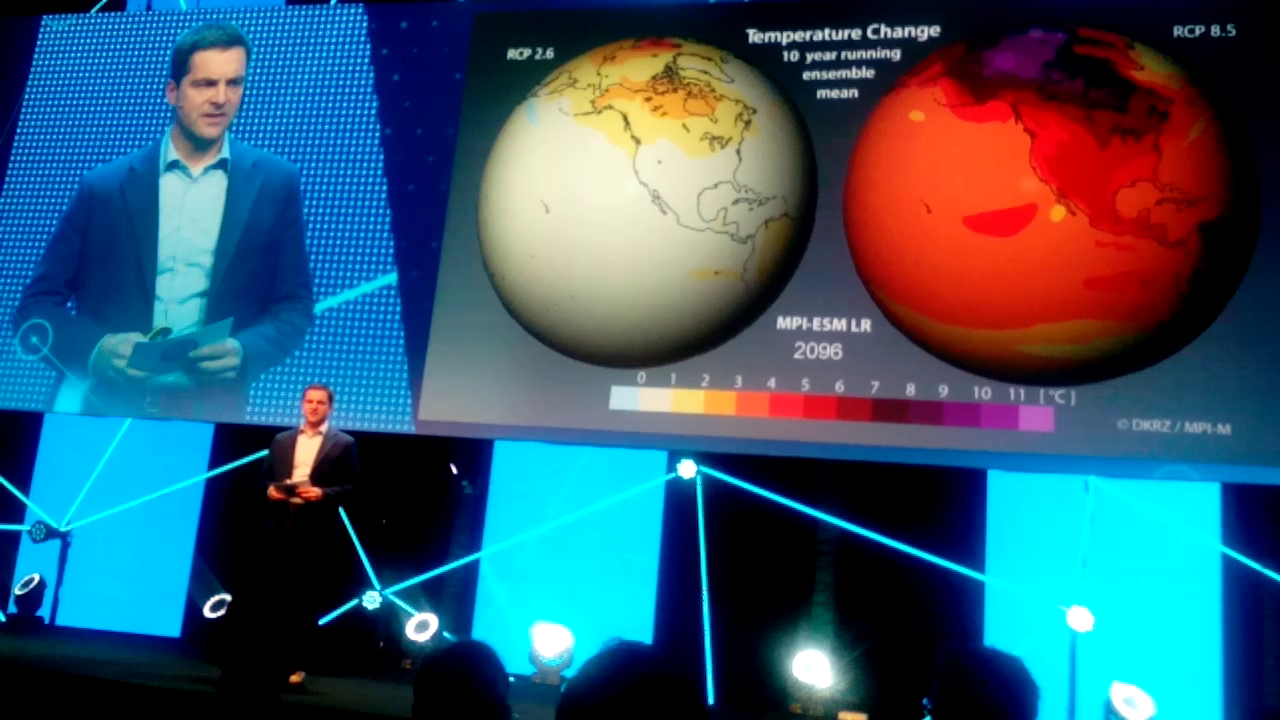
My smallest daughter, she’s 3 years now, so by 2090 she’s probably going to be 74. So that means this is not a far distant scenario. I know people now who are spilling their breakfast all over them who will have to live on that planet by 2090:

vlcsnap-2019-03-24-11h17m36s195

Martin was referring to his animation of two alternative Representative Concentration Pathways (RCPs for short). RCP 2.6 on the left “assumes that global annual greenhouse gas emissions peak between 2010–2020, with emissions declining substantially thereafter”, whereas RCP 8.5 on the right “assumes that global GHG emissions continue to rise throughout the 21st century”.

For VW I can tell you, and I think you can read that from the papers and the news currently they’re really doing a paradigm shift. The top management is really turning around the company big time. The “dieselgate” that Roger mentioned was definitely a facilitator in that. Something had to happen, and it’s really happening now. It caused a lot of fear. It caused a lot of movement, but it’s absolutely necessary.

vlcsnap-2019-03-24-12h18m46s641

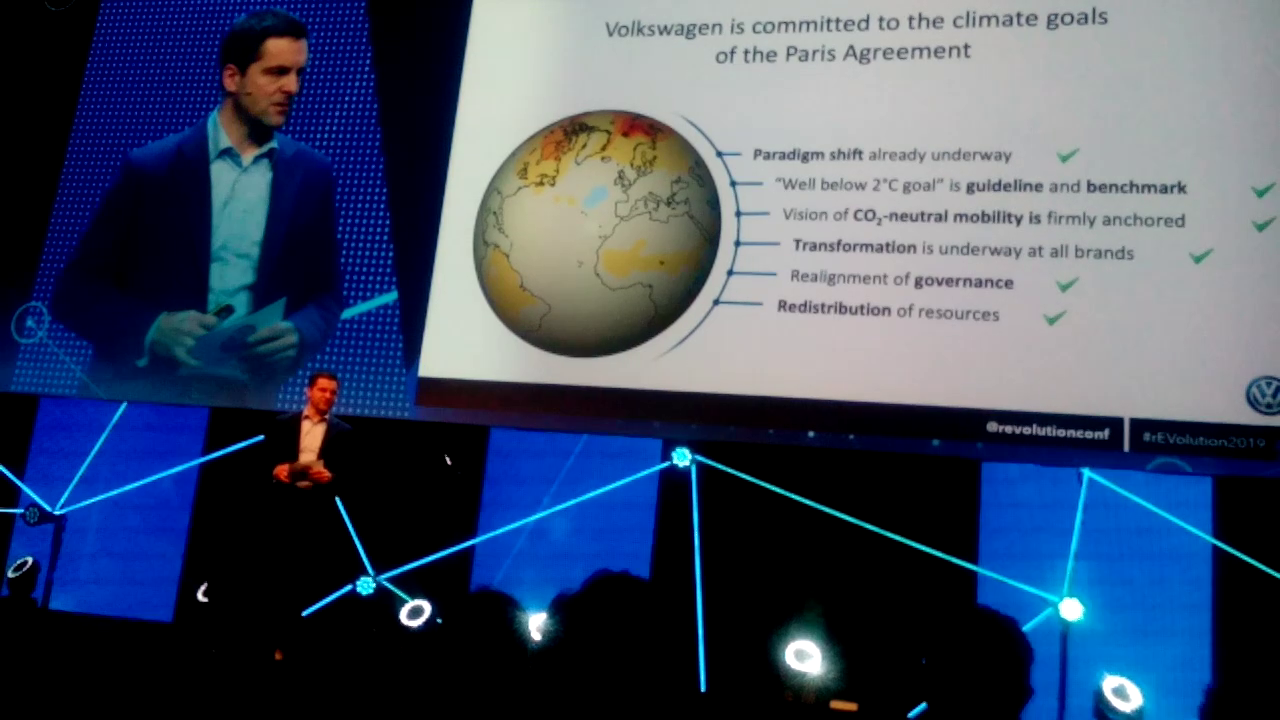
Volkswagen’s “new paradigm” includes a “commitment to the climate goals of the Paris Agreement“.

vlcsnap-2019-03-25-11h46m26s152

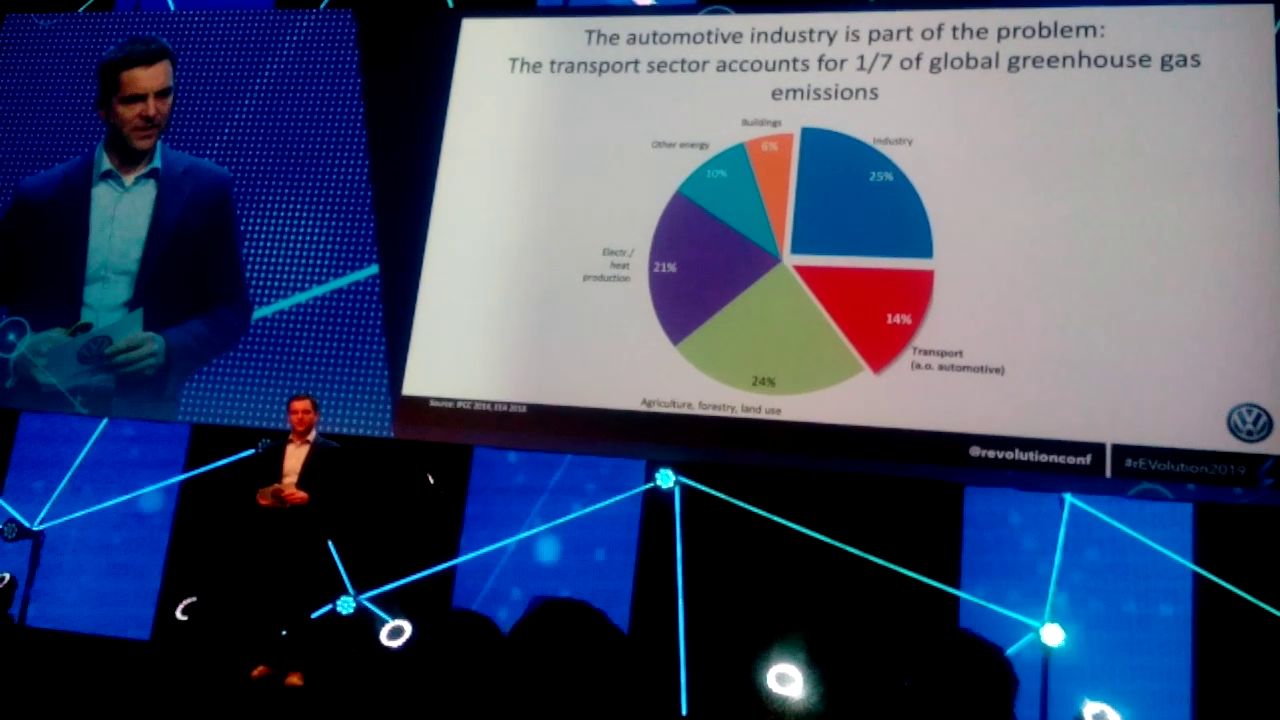
Here you can see the greenhouse gas emissions by different sectors. I’ve singled out the two that we have an influence on. We are part of the industry, so within the value chain and the production of the vehicle we have a big influence on that section, and of course with our products and the services we provide to our customers we have a big impact on the other 14%, the emissions while the vehicle are being used.

Moving on from VW’s aspirations to some engineering, Martin pointed out that:

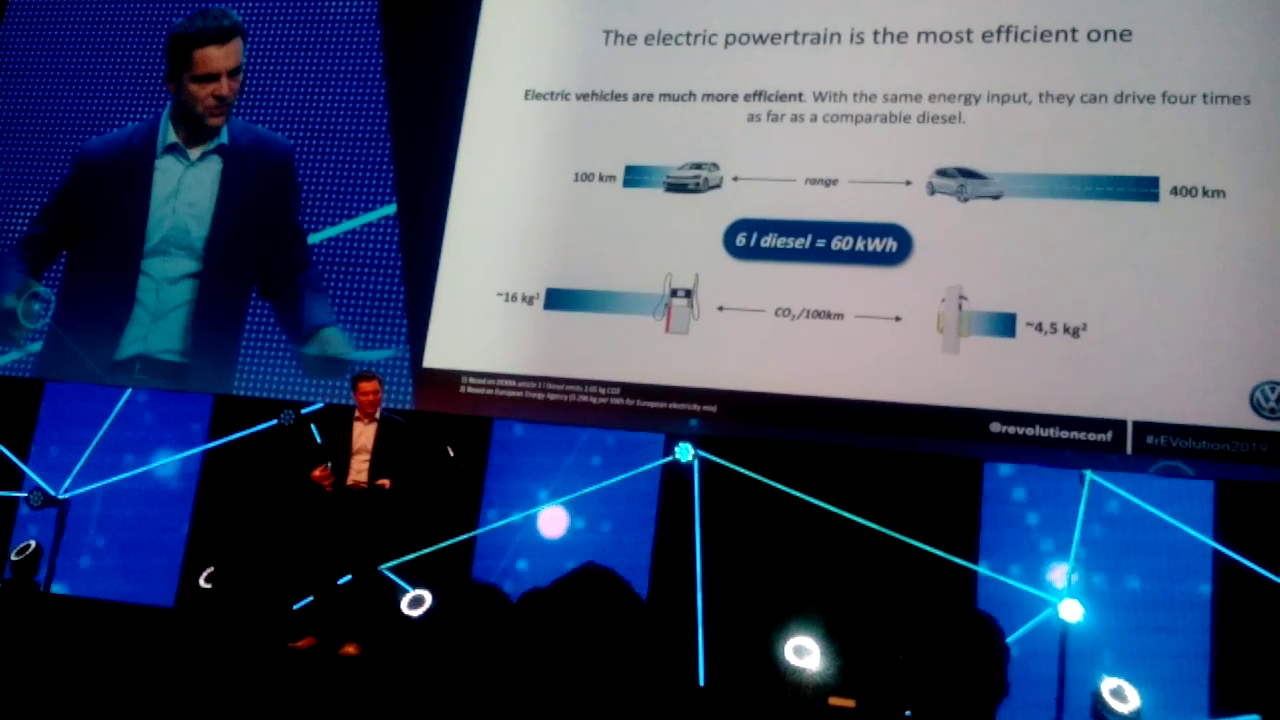
The question is “How much energy is contained in one litre of diesel?”. Very few people know that. It’s about 10 kWh, so 6 litres of diesel are the equivalent of 60 kWh of energy. So how far will that takes us? With a diesel car, if you have a moderate driving style, it will take you about 100 km… With an EV you go four times that far. And that’s the discussion we have to take. It’s not a question about how much more electricity do we consume, it’s a question about how much less energy do we consume.

vlcsnap-2019-03-25-10h59m17s091

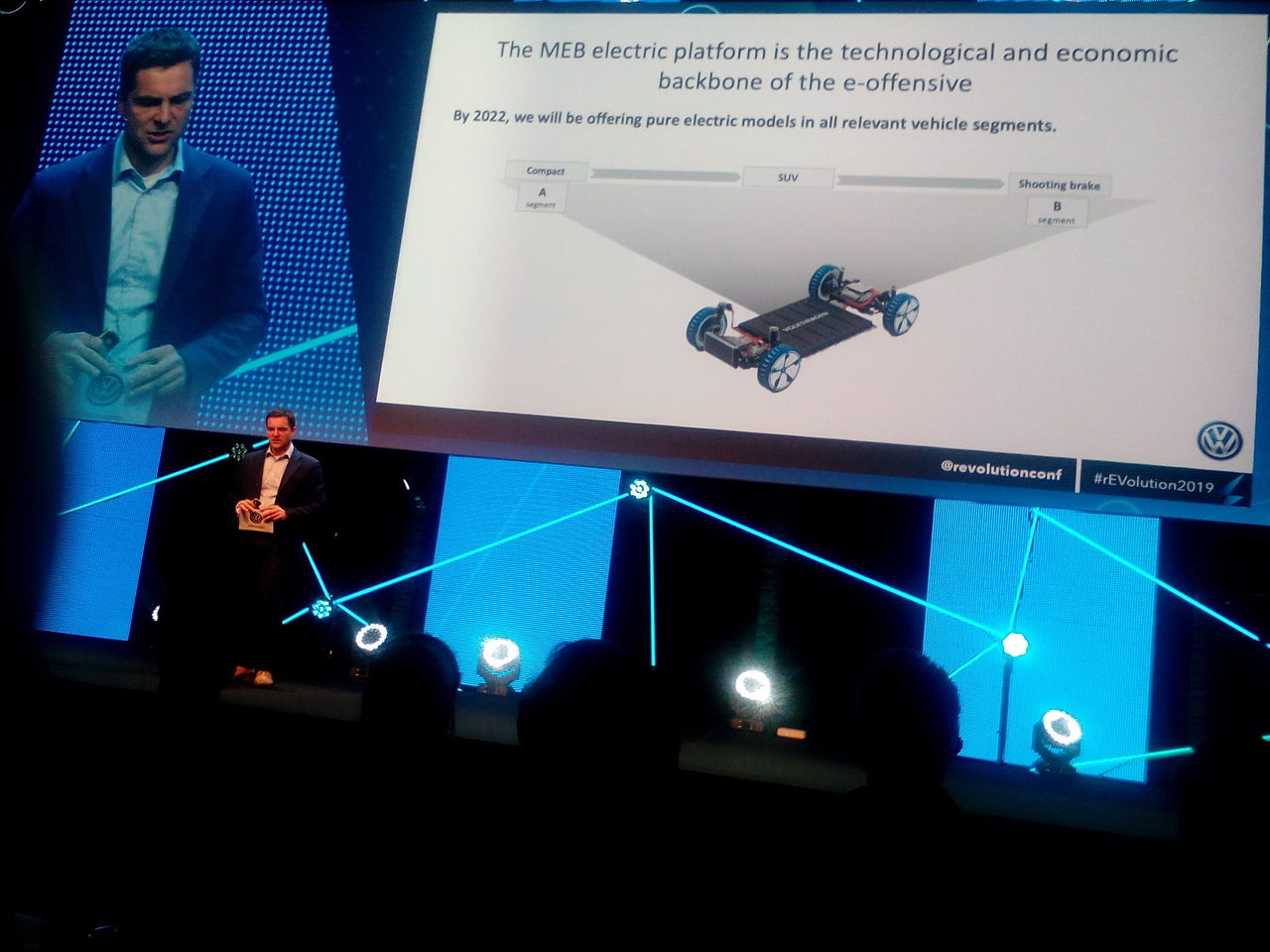
When it comes to reducing the energy consumption of “personal mobility” by a factor of four, here are Volkswagen Group’s plans. Firstly an overview of their “Modularer E-Antriebs-Baukasten” (MEB) Platform:

IMG_20190319_164855

which will form the basis for their forthcoming I.D. series of electric vehicles:

IMG_20190319_164911

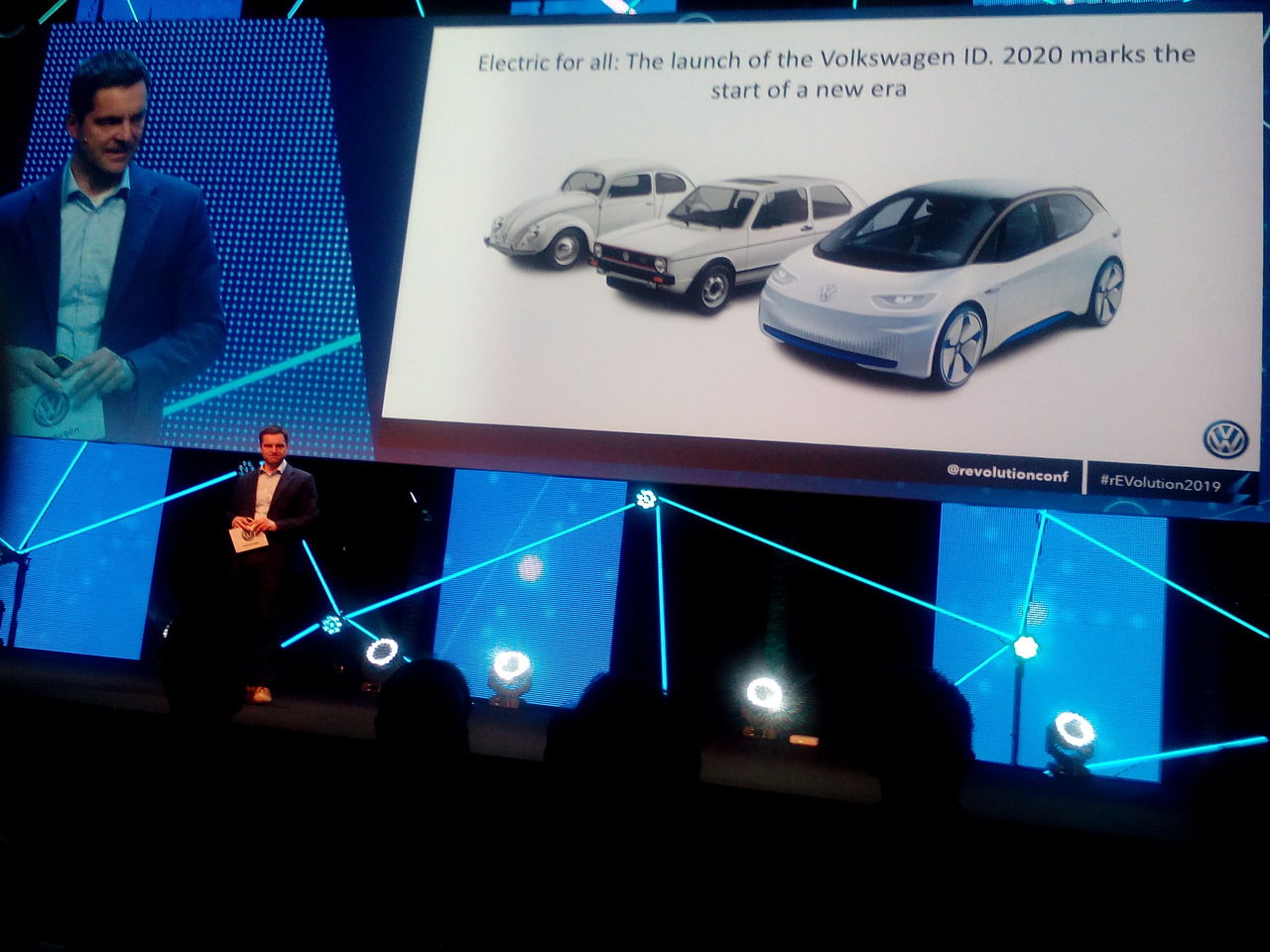
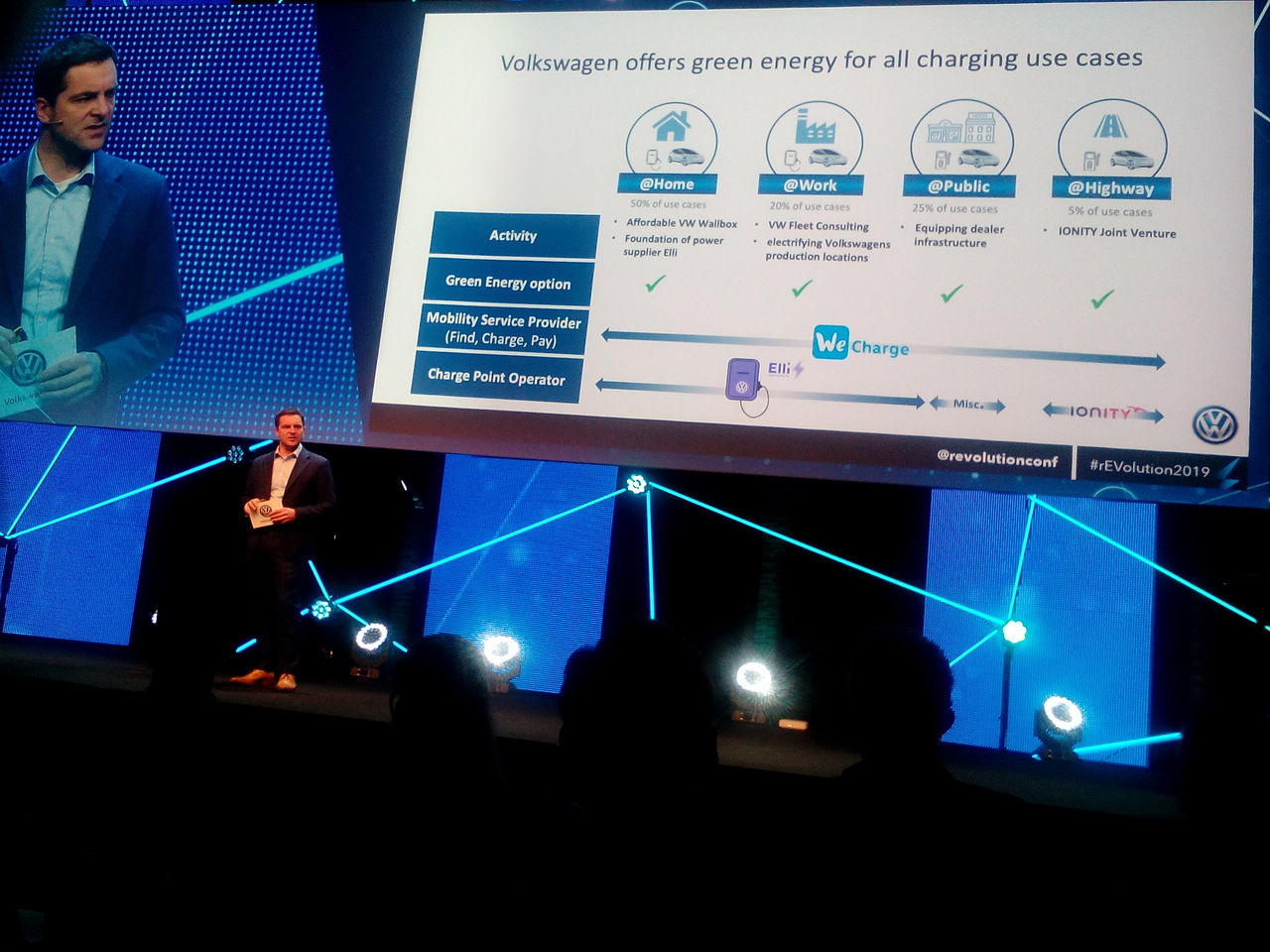
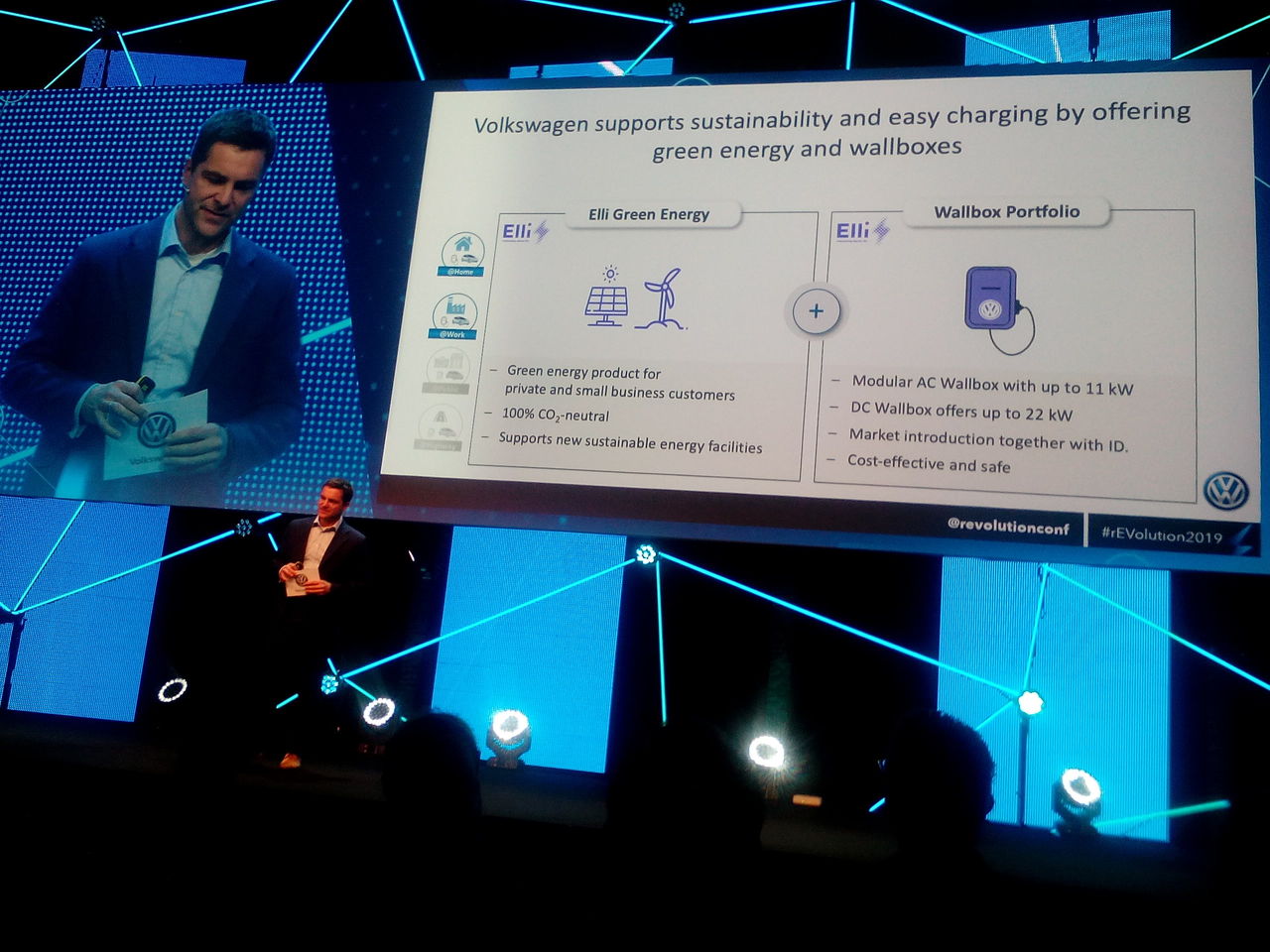
Much like Nissan and Renault, VW also plan to go into the energy business with the Elli brand:

IMG_20190319_165013

They even intend to supply their own wallboxes to charge their forthcoming range of electric vehicles:

IMG_20190319_165220

Do you suppose that Elon Musk is losing any sleep over the nascent competition to Tesla emanating from the Old World?

The Lights Go Out Again at V2G Towers

Our lights went out at 11:33 this morning, together with our telephone and “fibre to the premises” BT broadband. Fortunately we have backup for the latter two in the form of the by now ubiquitous mobile phones and this Huawei E5885L 4G mobile WiFi hotspot:

DSC_0007
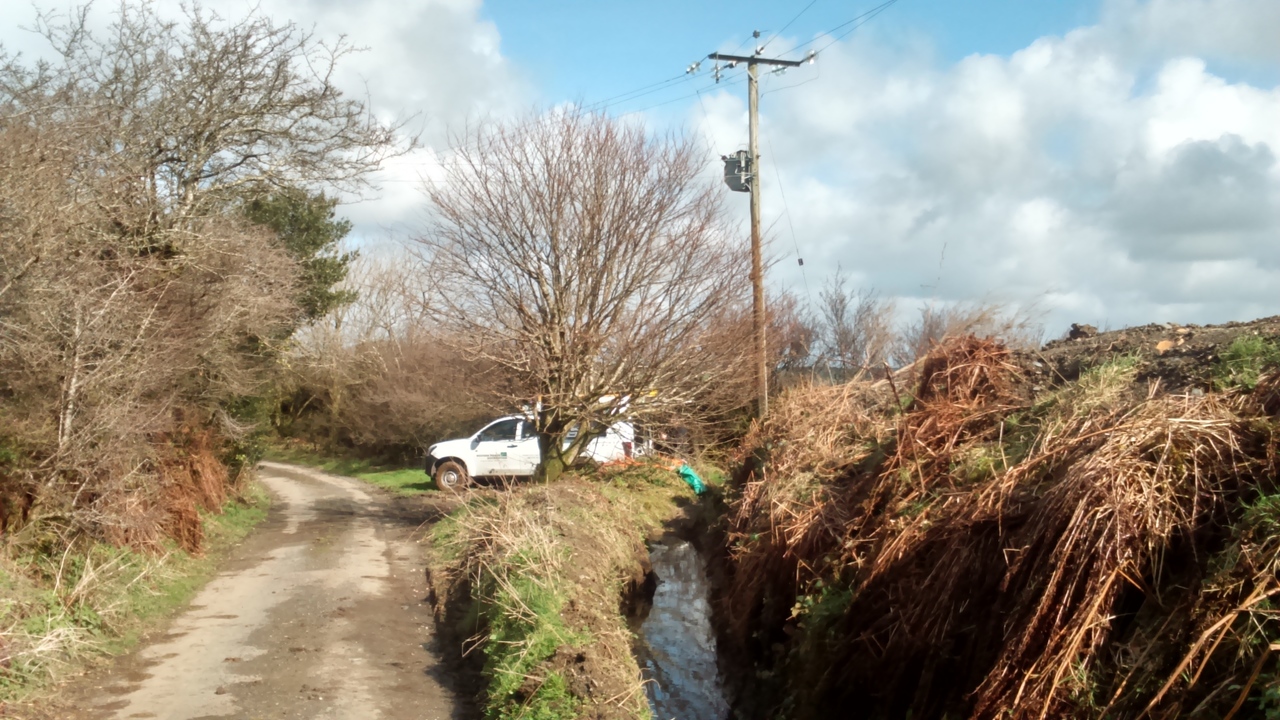
The cause of the problem was an 11 kV cable that had become detached from an insulator and was dangling lower than designed:

DSC_0014

DSC_0021

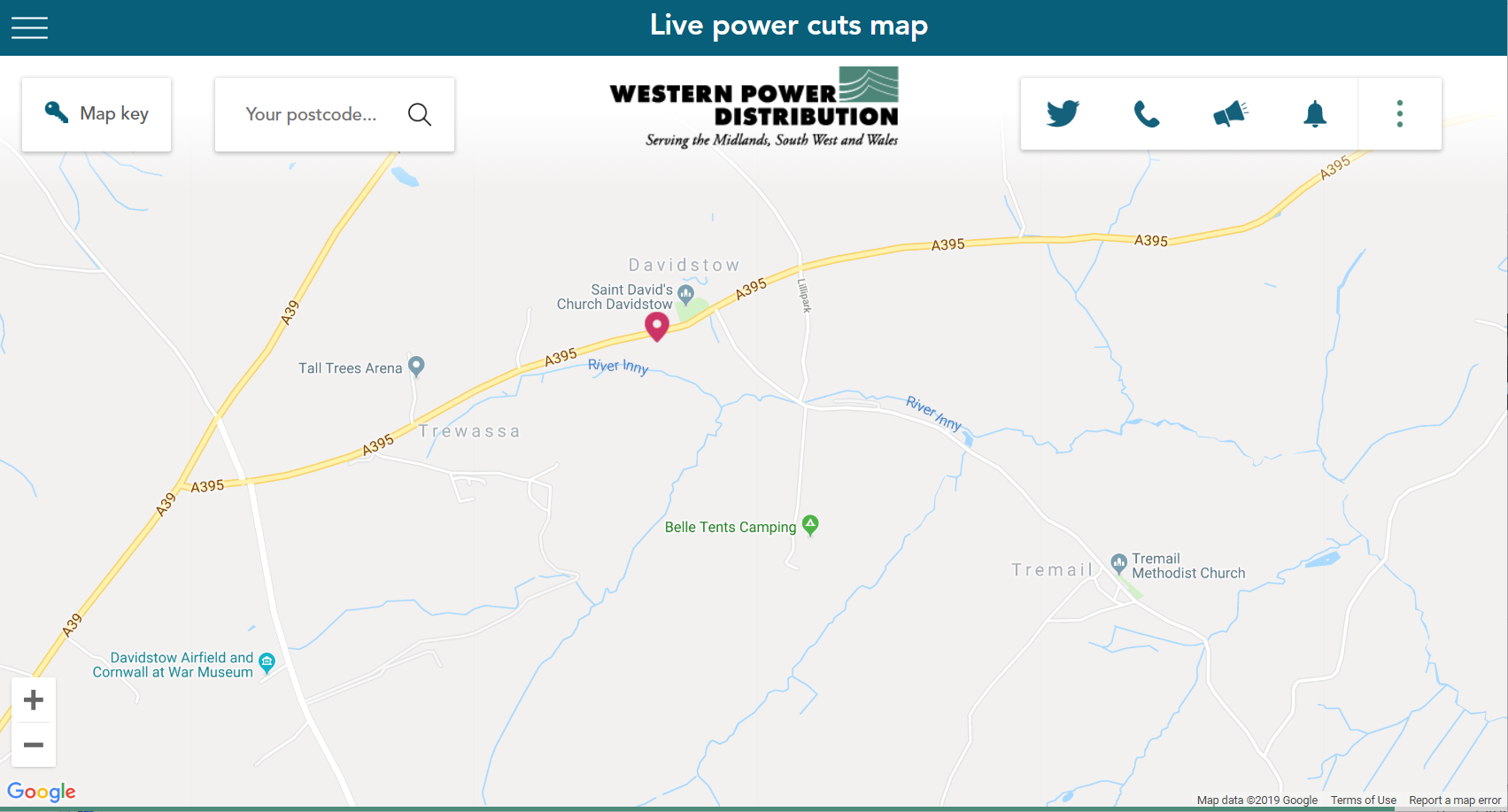
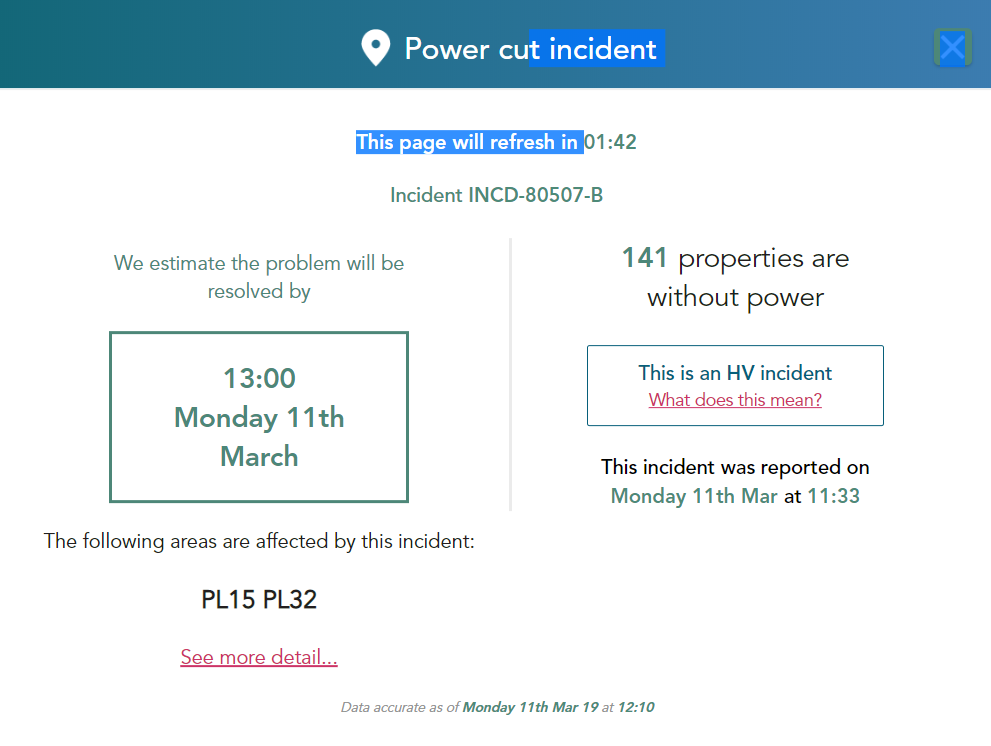
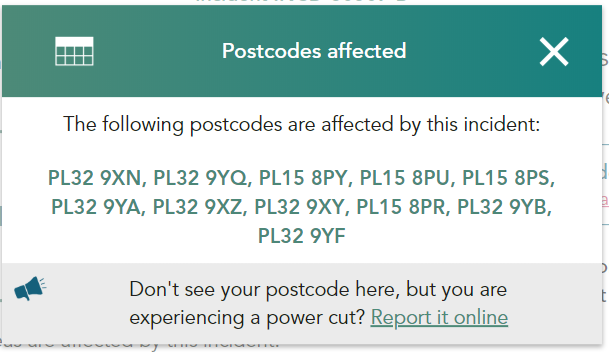
Initially we were one of 141 properties without power:

2019-03-11_1230-WPD

2019-03-11_1228-WPD

2019-03-11_1229-WPD

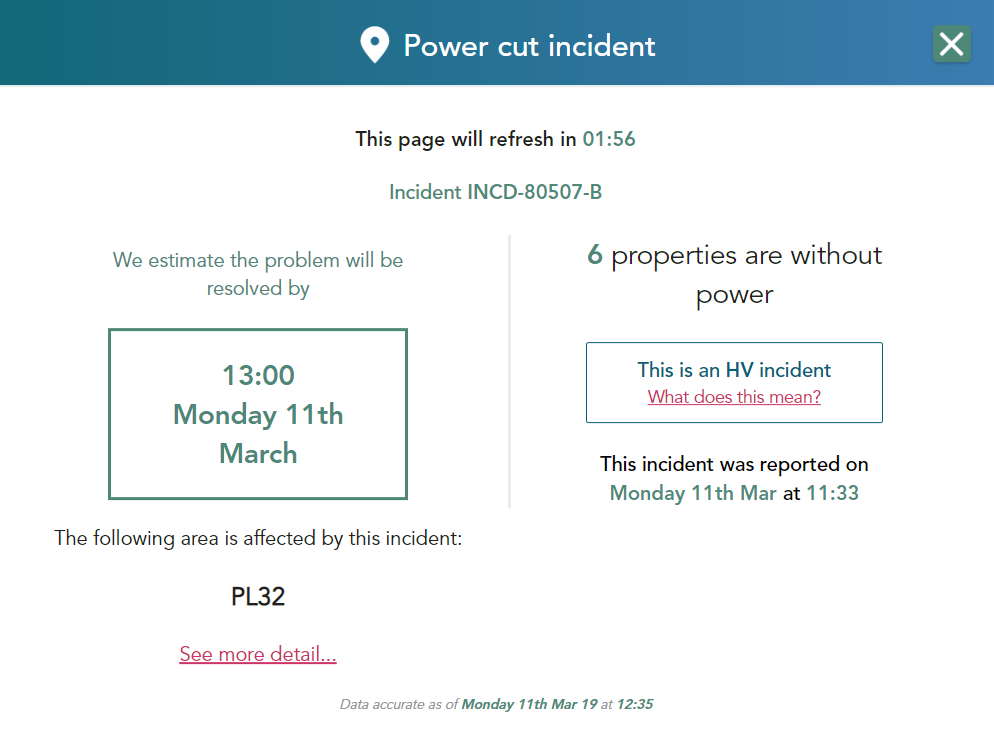
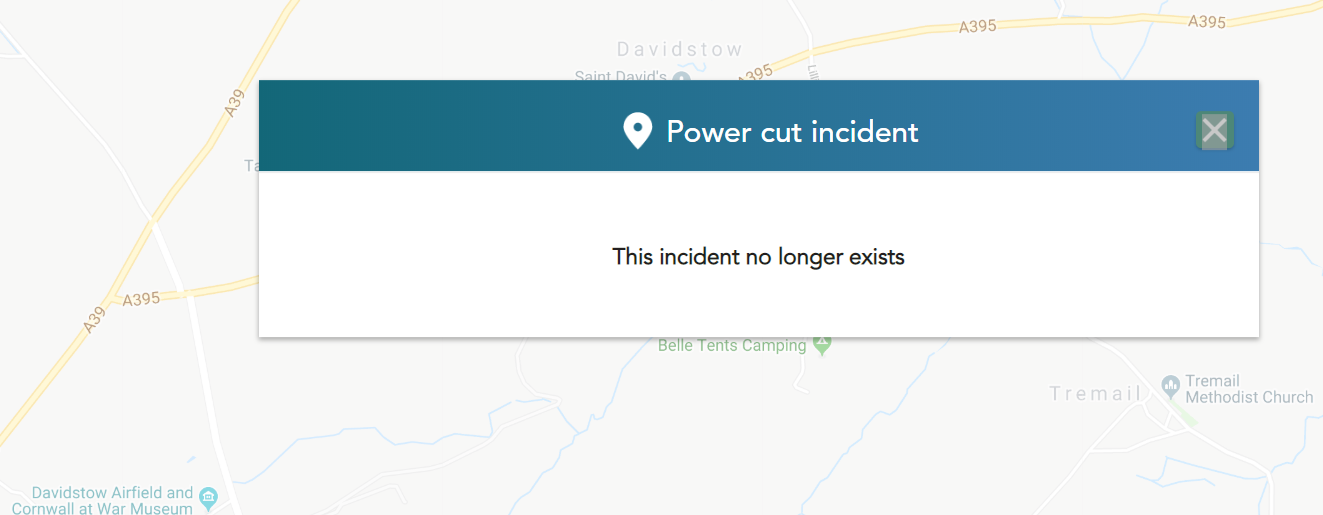
By 12:20 our power came back on since WPD’s engineers had arrived and isolated a small section of their distribution grid just up the hill from here leaving just 6 properties on the edge of Davidstow Moor without mains electricity:

2019-03-11_1250-WPD

They had their power restored somewhat later, at 13:50:

2019-03-11_1434-WPD

We really must persuade our current landlord to let us install a 3 phase supply and full strength V2G technology to enable us to weather such storms much more smoothly in our converted barn.

New Kia Soul EV Ditches CHAdeMO For CCS

In a news release earlier today Kia announced that:

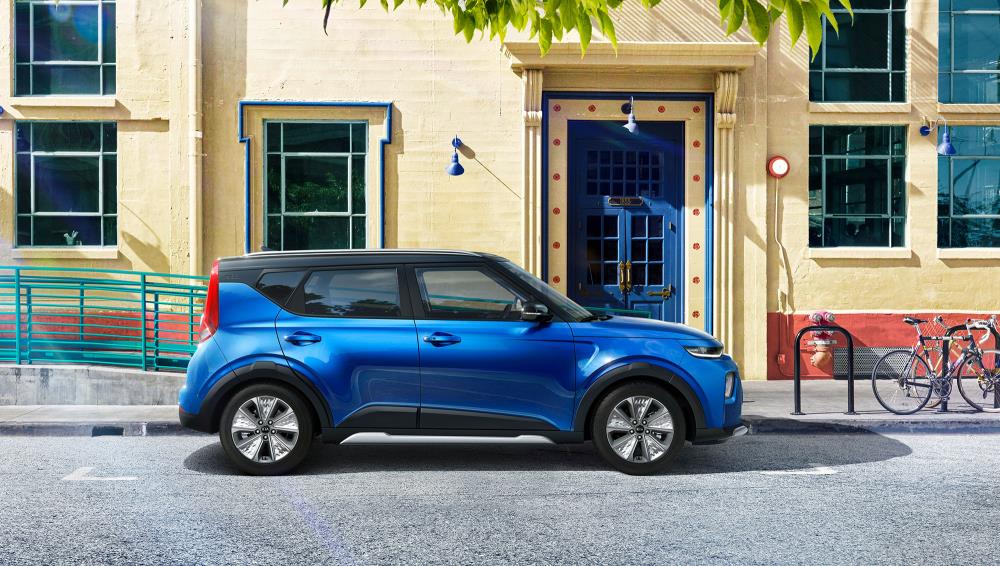
The all-new Kia Soul EV brings long-range, zero-tailpipe emissions power to the urban crossover class. The third globally-sold electric vehicle from Kia Motors will make its European debut at the 2019 Geneva International Motor Show next month.

1680430_kia_pressrelease_2018_PRESS-HIGHRES_ESOUL_side

Not only that, but also:

The Kia Soul EV will be sold in Europe exclusively as an electric vehicle, with a choice of two fully-electric, zero-emission powertrains to meet the needs and budgets of different customers.

Drivers have a choice of long-range (64 kWh) and standard-range (39.2 kWh) powertrains. Whichever version a buyer chooses, both variants offer vastly improved range over the outgoing Soul EV. On-road performance is also enhanced, with significantly more powerful electric motors providing 395 Nm of torque – 39 per cent more than before.

As if that wasn’t exciting enough there’s also:

A Combined Charging System (CCS) DC fast charger is fitted as standard to both models, enabling shorter stops for charging. Both battery packs can be recharged from 20 per cent up to 80 per cent capacity in just 42 minutes from a 100 kW DC fast-charger.

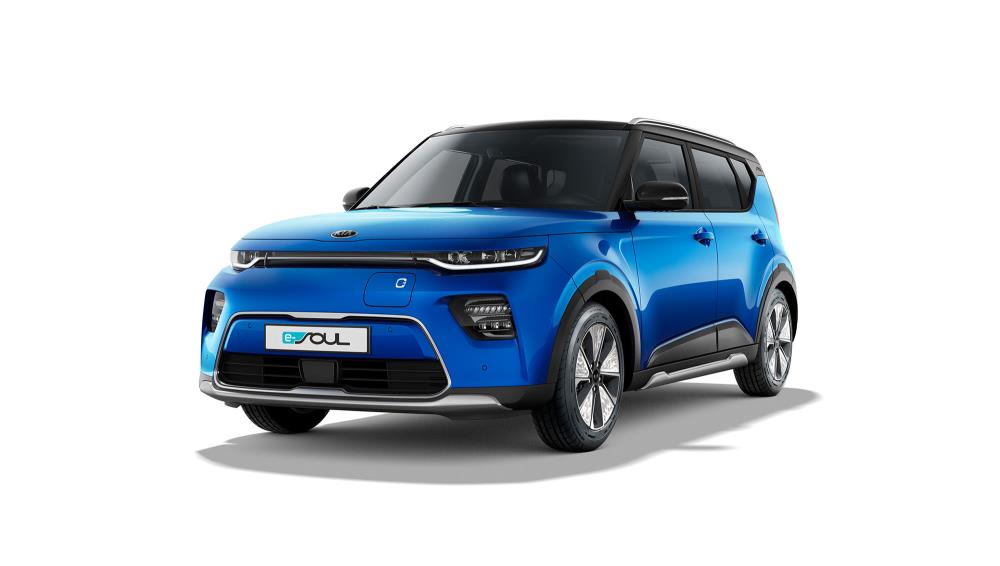
Previous versions of the Soul EV have been V2G capable via a CHAdeMO connector. None of the images accompanying Kia’s announcement showed a close up of the shiny new Soul EV charging connector. Here’s the best we can do:

1680428_kia_pressrelease_2018_PRESS-HIGHRES_ESOUL_front-white

The $64,000 question at this juncture is therefore “Will Kia be demonstrating V2G over CCS at Geneva next month?”